






The Simple Water Trick Revealed
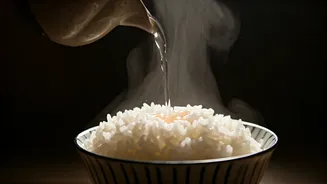
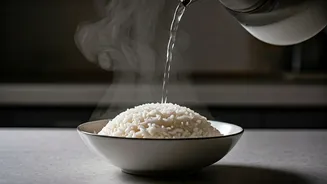
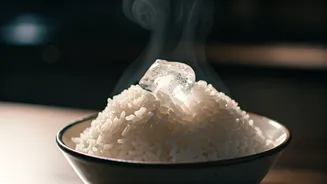
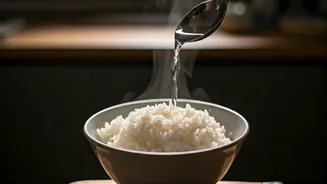
The magic solution to reviving sad, refrigerated rice is surprisingly simple: rehydration with steam. The most effective way to do this is by adding a small amount of liquid and gently reheating. For a single serving, place your rice in a microwave-safe
bowl. Break up any large clumps with a fork, then sprinkle one to two tablespoons of water over the top. Cover the bowl with a damp paper towel or a microwave-safe lid. Heat it in the microwave for 60 to 90 seconds, or until it's steaming hot. For larger quantities, the same principle applies on the stovetop. Place the rice in a pot with a few tablespoons of water or broth, cover with a tight-fitting lid, and heat on low for about five minutes, stirring occasionally until it's warmed through and fluffy. The key is the added moisture, which turns into steam and breathes new life into every grain.
The Science of Fluffy Rice
Why does rice become so hard in the first place? It comes down to a process called starch retrogradation. When rice is cooked, its starch molecules gelatinise, absorbing water and becoming soft. As the rice cools down in the refrigerator, these starch molecules begin to re-crystallise and push the water out, resulting in a firm, dry texture. This is actually ideal if you're planning to make fried rice, as the firm grains won't turn to mush in the pan. However, if you want that fresh, steamed texture, you need to reverse the process. Introducing water and heat allows the starch crystals to break down and reabsorb moisture, a process called re-gelatinisation. This restores the rice to its original soft and fluffy state, making it enjoyable again.
A Crucial Note on Food Safety
While reheating rice is easy, it's crucial to handle it with care to avoid foodborne illness. Uncooked rice can contain spores of a bacterium called *Bacillus cereus*. These spores can survive the cooking process. If cooked rice is left at room temperature for too long (in the 'danger zone' between 4°C and 60°C), the spores can multiply and produce toxins. Reheating will kill the bacteria, but it will not destroy the heat-stable toxins that may have already formed. To stay safe, always cool leftover rice as quickly as possible—ideally within one hour—and store it in an airtight container in the fridge. Consume it within a day or two and make sure to reheat it until it is steaming hot all the way through, reaching a temperature of at least 74°C (165°F). Never reheat rice more than once.
Beyond the Basic Bowl
Once you've mastered the art of reheating rice, you can think beyond just serving it as a simple side. Perfectly revived rice is a blank canvas for countless quick and delicious meals. It can be the foundation of a quick burrito bowl, mixed with beans, salsa, and your favourite toppings. You can stir it into soups at the last minute to add body and texture without it becoming mushy. For a comforting treat, simmer your leftover rice with milk, a pinch of sugar, and some cinnamon or cardamom to create a quick and creamy rice pudding. You can even use it to stuff vegetables like bell peppers or tomatoes before baking. These creative uses ensure that not a single grain goes to waste and turn yesterday's leftovers into today's exciting meal.