

The Tiny Revolution on Your Windowsill
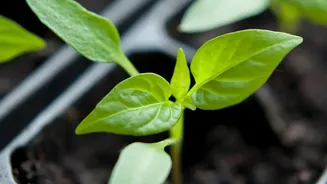
Imagine trimming fresh, flavourful greens for your meals, grown right in your own home with minimal effort. This is the promise of microgreens. These are not sprouts, but rather the young seedlings of vegetables and herbs harvested just a week or two
after germination, when the first tiny leaves have appeared. In cities like Mumbai, Delhi, and Bengaluru, where balconies are a luxury and gardens are rare, a small tray on a sunny windowsill can become a productive miniature farm. This simple practice connects you directly to your food source, reducing reliance on store-bought produce that has travelled long distances, often losing nutritional value along the way.
A Nutritional Powerhouse in a Small Package
Don't let their small size fool you; microgreens are packed with an incredible amount of nutrients. Research has shown they can contain anywhere from three to 40 times more vitamins, minerals, and antioxidants than their mature counterparts. This is because the plant concentrates all its energy and nutrients into these first leaves to fuel its growth. A small handful of radish or broccoli microgreens can deliver a significant dose of Vitamin C, Vitamin K, iron, and zinc. Adding them to your diet is a simple way to boost your intake of essential nutrients and beneficial plant compounds linked to various health benefits.
Your Simple Starter Kit
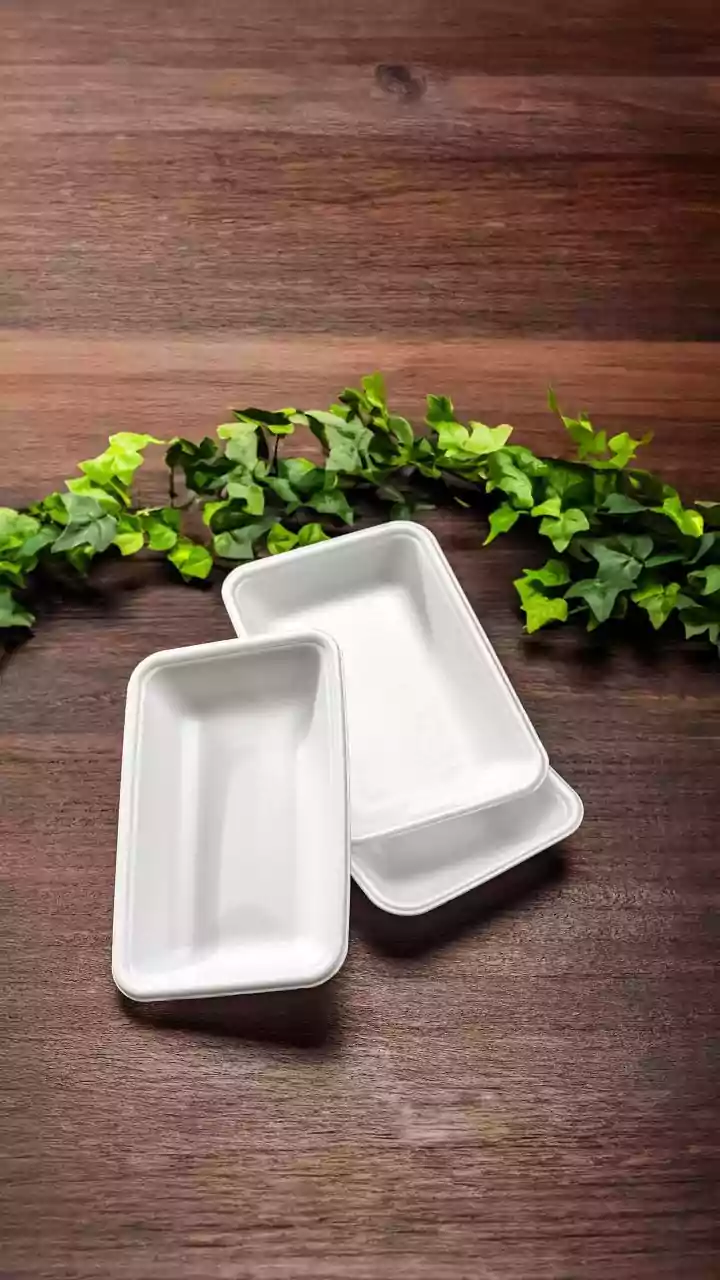
Getting started is surprisingly easy and affordable. You don't need fancy equipment, and many items can be repurposed from around your home. You will need: a shallow tray (a repurposed takeaway container or an old tiffin lid will do, just punch a few holes for drainage), a growing medium like cocopeat (which is widely available and great for beginners) or potting soil, high-quality seeds, and a spray bottle for watering. The total starter cost can be as low as a few hundred rupees. A spot near a window that receives a few hours of indirect sunlight is all the space you need.
Easy Greens for Indian Homes
For your first attempt, it's best to choose seeds that are fast-growing and forgiving. Radish (mooli), mustard (sarson), and fenugreek (methi) are excellent choices for beginners in India. These varieties are familiar in flavour, germinate quickly (often within a day or two), and can be ready to harvest in as little as 8 to 10 days. Pea shoots are another satisfying crop, offering a sweet, crunchy texture. It's best to avoid slower-growing varieties like coriander or beetroot until you have a few successful harvests under your belt.
From Seed to Harvest in a Week
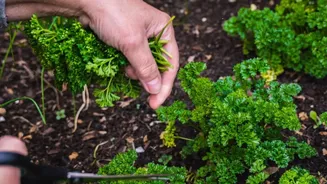
The process is straightforward. First, fill your tray with about an inch of your chosen growing medium, like cocopeat, and moisten it with a spray bottle. Spread your seeds evenly and densely across the surface; there's no need to bury them. For the first couple of days, you can cover the tray to create a dark, humid environment that encourages germination. Once you see sprouts, remove the cover and move the tray to a spot with indirect sunlight. Water gently once or twice a day with the spray bottle, keeping the medium moist but not waterlogged. In about 7 to 14 days, once the greens are a few inches tall, you can harvest them with a pair of clean scissors.
Beyond the Garnish: Using Your Greens
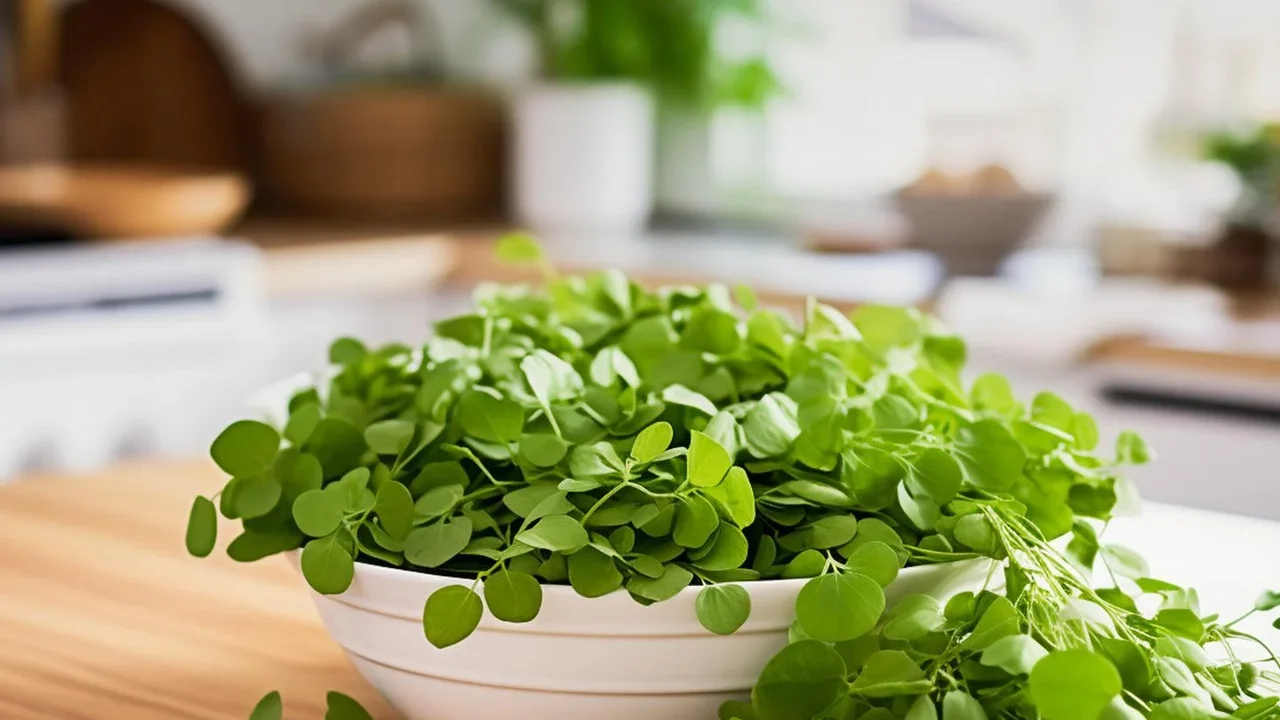
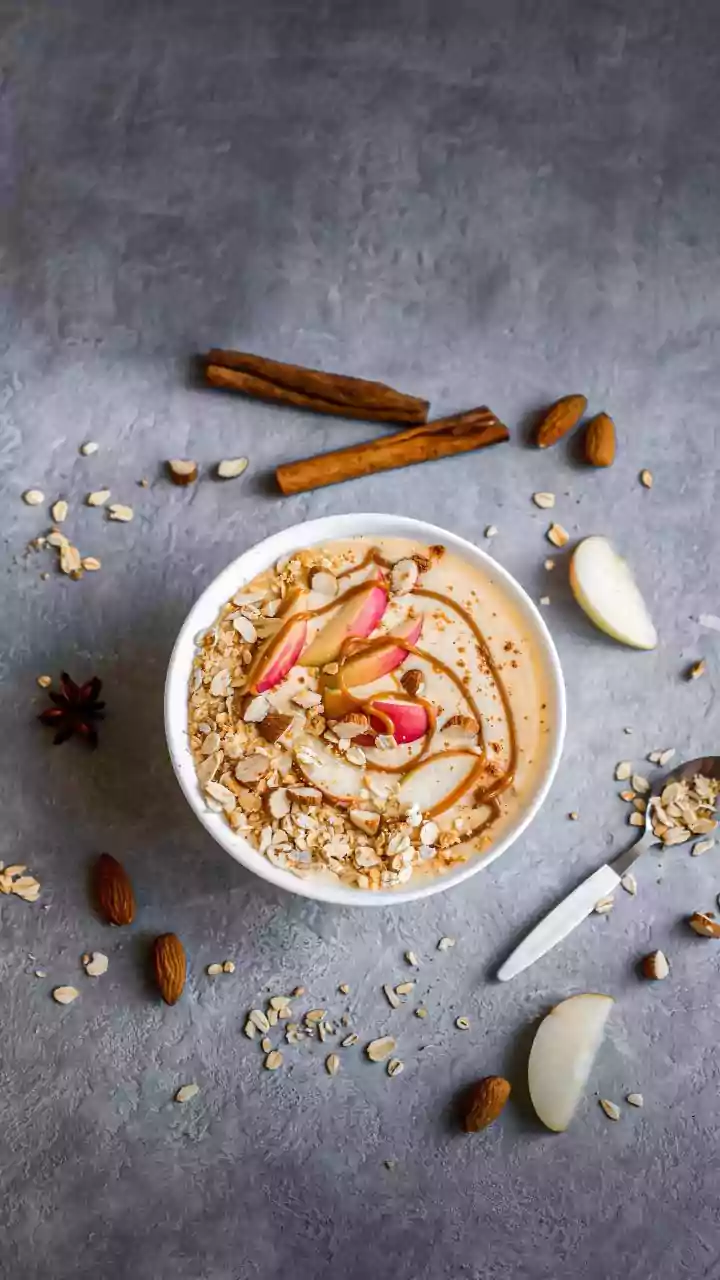
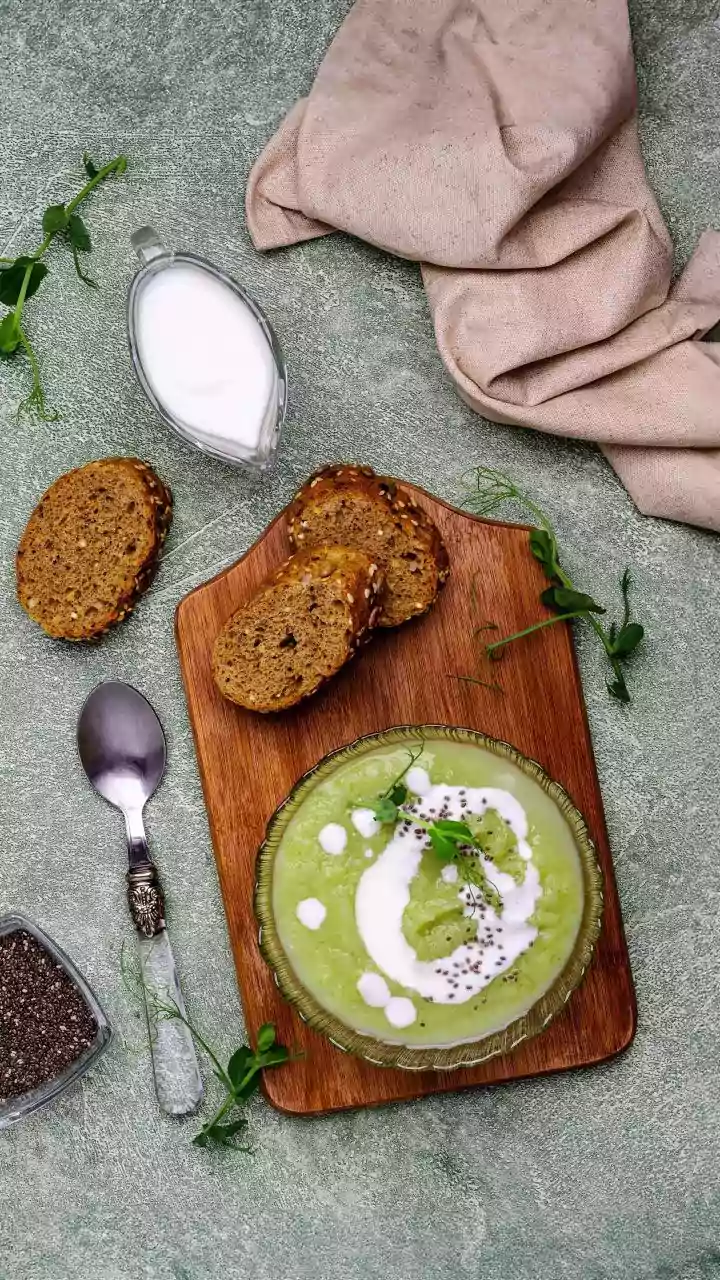
The best part is incorporating your fresh harvest into daily meals. While they make a great addition to salads, their use is far more versatile. In Indian cooking, you can sprinkle spicy mustard or radish microgreens over dal, curries, or poha for a fresh, peppery bite. Mix them into the dough for parathas, add them to raita, or blend them into a nutrient-rich smoothie. They can be tucked into sandwiches, used as a topping for omelettes and toasts, or stirred into stir-fries right at the end of cooking to preserve their delicate texture and nutrients.