

A New Golden Age for Road Travel
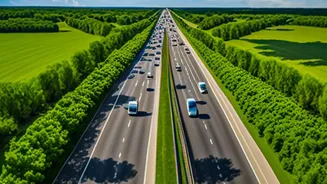
A massive infrastructure push is fundamentally changing how people travel between cities. India's national highway network has expanded dramatically, growing from about 91,000 kilometres in 2014 to over 146,000 kilometres. More importantly, this includes
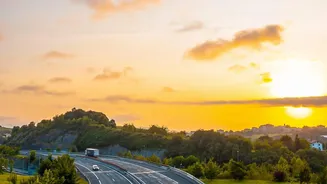
thousands of kilometres of new access-controlled expressways. Projects like the Delhi-Mumbai Expressway, the Samruddhi Mahamarg (Mumbai-Nagpur), and the Delhi-Dehradun Expressway are slashing travel times by as much as 50%. A journey from Delhi to Jaipur that once took over five hours can now be done in about three and a half. Similarly, the trip from Delhi to Dehradun has been cut from six hours to just 2.5 hours. This isn't just an improvement; it's a transformation that redefines the very idea of a weekend getaway.
The Journey Becomes the Destination
For generations, long-distance driving in India was often a test of endurance. Today, these new expressways are turning the drive itself into a pleasant experience. Smooth tarmac, clear signage, and controlled access mean higher, consistent speeds and a safer, more predictable journey. This shift is crucial. When the drive is no longer a stressful chore, it becomes part of the holiday. Families and groups of friends are rediscovering the joy of the open road, a sentiment reflected in recent travel data. A 2026 report from Uber shows that while metro-to-metro routes like Mumbai-Pune remain the busiest, the fastest-growing corridors are those connecting to leisure destinations. Routes like Delhi-Dehradun and Chennai-Puducherry are seeing a surge in popularity, driven by people seeking quick, accessible breaks.
Where the Road Is Taking Everyone
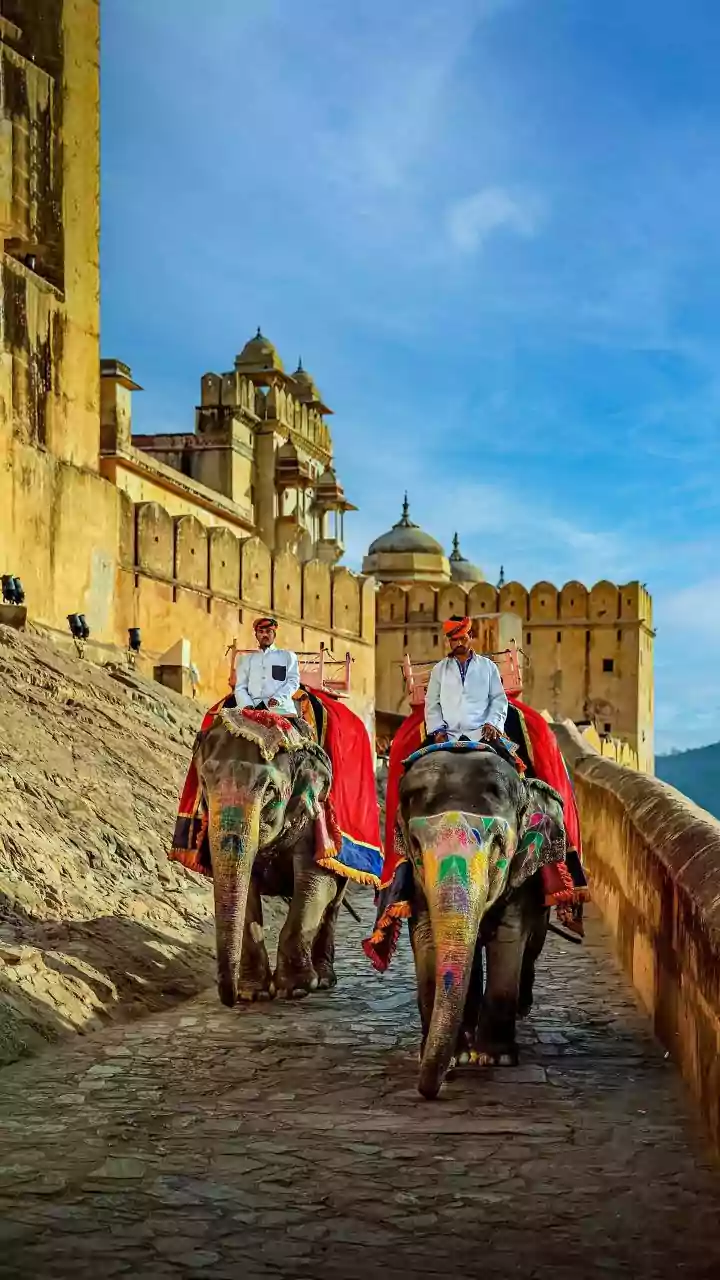
So, where are these newly minted road warriors heading? The destinations are a mix of old favourites and newly accessible gems. From Delhi, the hills of Dehradun and Mussoorie, and the heritage city of Jaipur are now easy weekend trips. From Mumbai, Lonavala and Nashik are more popular than ever, and the eight-hour drive to Nagpur via the Samruddhi Mahamarg opens up central India's wildlife sanctuaries. The improved connectivity is also a boon for tourism in previously harder-to-reach areas. The Delhi-Mumbai Expressway, for instance, provides easier access to Ranthambore and Sariska tiger reserves. This trend extends to Tier-2 and Tier-3 cities, with regional road trips growing in popularity for cultural, spiritual, and leisure experiences.
The Right Wheels for the Road
This road trip renaissance is happening in parallel with another major trend in the Indian auto market: the explosive growth of the SUV. Utility vehicles now account for well over half of all passenger vehicle sales in India. This is no coincidence. With higher ground clearance, more space for family and luggage, and a commanding view of the road, SUVs are perfectly suited for these longer drives. The feeling of safety and comfort they provide on highways makes them the vehicle of choice for family getaways and group travel, further fuelling the leisure driving trend. The market is responding, with bookings for 6-7 seater vehicles on the rise.
An Ecosystem on the Move
The impact goes far beyond the tarmac. A whole new ecosystem is developing along these transport arteries. Modern, well-maintained wayside amenities with clean restrooms, a variety of food courts, and cafes are replacing the once-unpredictable roadside dhabas. This organised development makes travellers, especially families, more confident about embarking on long journeys. Furthermore, the increased tourist footfall is stimulating local economies around these expressways. This leads to the growth of hotels, resorts, and local businesses, creating jobs and promoting regional development in areas that were previously bypassed. In essence, each new expressway acts as a corridor of economic opportunity.