





A Foundational Shift in Policy
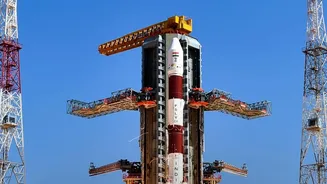
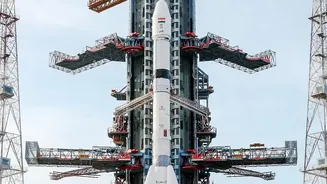
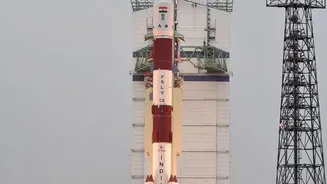
The primary catalyst for this transformation is a series of deliberate government reforms, most notably the Indian Space Policy 2023. For decades, the Indian Space Research Organisation (ISRO) operated as a near-monopoly, driving both research and application.
The new policy fundamentally alters this structure. It explicitly invites Non-Government Entities (NGEs) to participate in end-to-end space activities, from building rockets and satellites to providing commercial launch services and downstream data applications. To oversee this new era, the government established the Indian National Space Promotion and Authorisation Centre (IN-SPACe) as an independent, single-window agency. IN-SPACe's mandate is to promote, authorise, and supervise private space activities, streamline approvals, and facilitate access to ISRO's extensive infrastructure and expertise. This has created a more predictable and supportive regulatory environment, crucial for attracting private investment.
The Rise of Space-Tech Startups
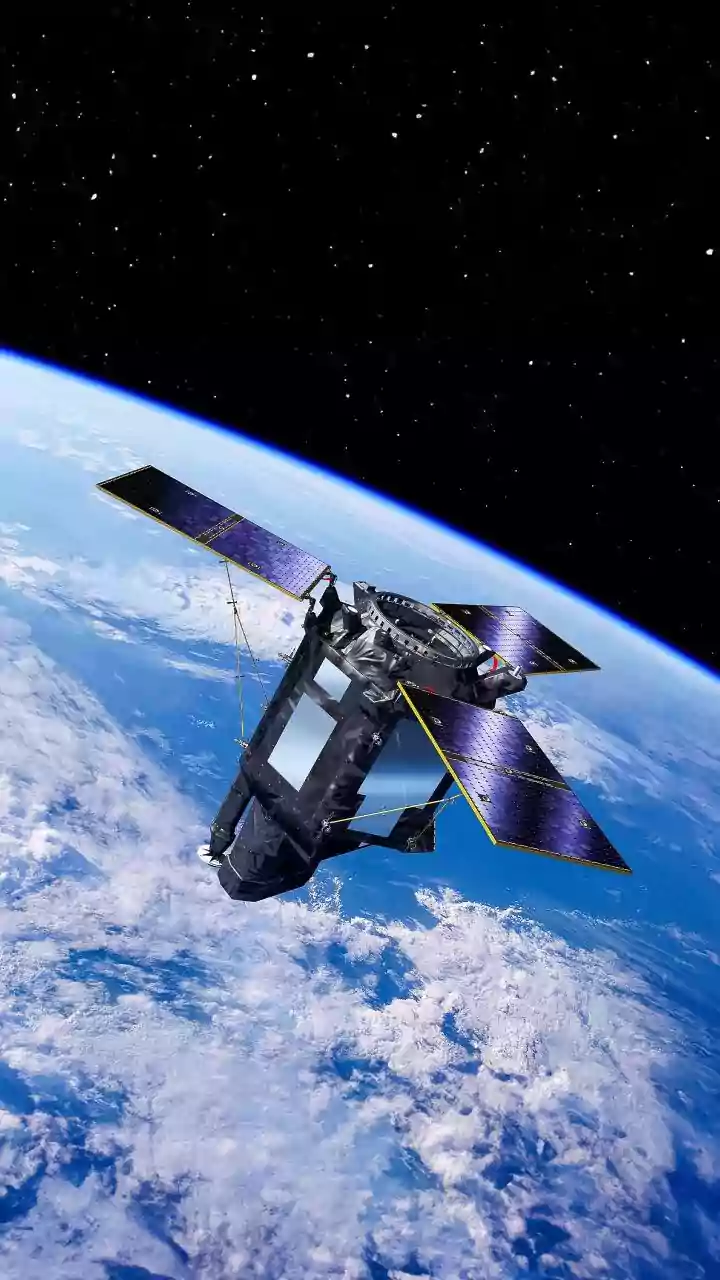
The policy liberalisation has ignited a vibrant startup ecosystem. From just one space startup in 2014, India is now home to more than 400. These companies are no longer just component suppliers to ISRO; they are developing their own launch vehicles, satellite constellations, and innovative applications. Skyroot Aerospace made history in July 2026 with the successful orbital launch of Vikram-1, India's first privately developed rocket. Other prominent players include Agnikul Cosmos, which pioneered a single-piece, 3D-printed rocket engine, and Pixxel, which is building a constellation of hyperspectral Earth-observation satellites and has already secured a NASA contract. This surge in private innovation has attracted significant investment, with Indian space startups raising over $150 million in 2025 alone.
ISRO's Evolving Role
The entry of private players allows ISRO to pivot its focus. Under the new policy, ISRO will concentrate on advanced research and development, scientific missions, and human spaceflight. Rather than handling routine operational launches, it will act as a mentor and technology partner to the private sector. This transition is managed by NewSpace India Limited (NSIL), ISRO's commercial arm. NSIL is tasked with commercialising technologies developed by ISRO, managing technology transfers, and procuring launch services from both ISRO and private companies to serve its clients. This synergy allows the private sector to leverage decades of public investment in space technology while freeing up ISRO to push the frontiers of space exploration.
India's Competitive Advantage
India's long-standing reputation for 'frugal engineering' is a powerful asset in the commercial space race. Missions like the Chandrayaan-3 lunar landing and the Mangalyaan Mars orbiter were accomplished at a fraction of the cost of similar missions by other space agencies. This ability to deliver high-tech solutions at a lower cost provides a strong foundation for private companies. As these startups begin to scale, they can offer competitive pricing for satellite launches and space-based data services on the global market. The government is further encouraging this by liberalising foreign direct investment (FDI) rules, allowing up to 74% FDI in satellite manufacturing and up to 49% in launch vehicles via the automatic route.
Projections and Future Outlook
The combined impact of these factors has put India's space economy on a steep growth trajectory. Currently valued at around $8.4 billion, projections estimate it could grow fivefold to between $40 billion and $45 billion by the end of the decade. The government aims for India to capture 8% of the global space economy by 2030, up from its current share of about 2-3%. The journey will have challenges, including ensuring sustained access to capital and navigating a competitive global market. However, the next phase of growth will focus on converting these burgeoning capabilities into scalable commercial services, from satellite communications to Earth observation data that can impact sectors like agriculture, disaster management, and urban planning.