







A Coastline Under Siege
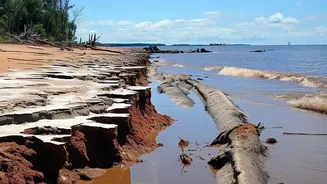
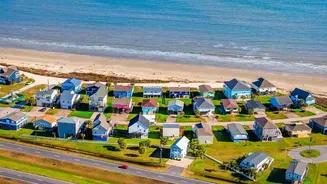
India's eastern coast, bordering the Bay of Bengal, has always lived with cyclones. But climate change is making these storms more frequent and ferocious. States like West Bengal, Odisha, and Andhra Pradesh are on the front line, facing devastating storm surges,
high-velocity winds, and coastal erosion that threaten lives, homes, and livelihoods. During recent super cyclones like Amphan and Yaas, communities witnessed firsthand how storm surges could breach embankments, flood villages, and turn fertile farmland saline overnight, rendering it useless for years. This escalating threat has created an urgent need for effective, sustainable protection that goes beyond concrete walls.
Nature’s Perfect Defence System
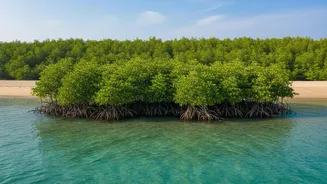
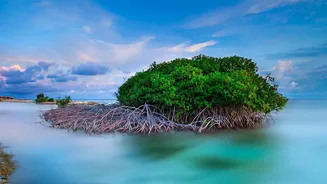
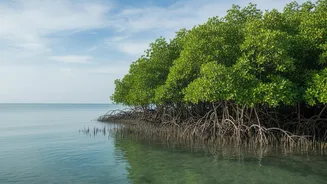
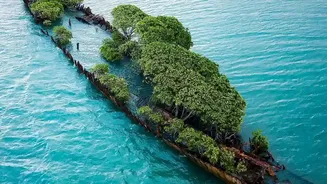
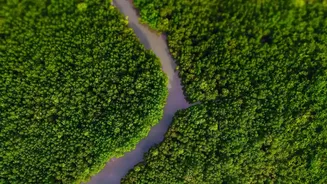
Enter the mangrove, a coastal tree uniquely adapted to thrive in the harsh, brackish interface between land and sea. Mangroves are far more than just trees; they are complex ecosystems that function as highly effective natural barriers, or 'bio-shields'. Their dense, tangled network of roots and sturdy trunks acts like a natural brake, absorbing and dissipating the energy of storm surges and waves. Scientific studies have shown that a healthy mangrove forest can reduce wave height and energy by a significant margin, with some estimates suggesting a reduction of up to 66% within the first 100 meters of forest. Their roots also trap sediment, which stabilises the shoreline, prevents erosion, and can even help the coastline build itself up over time to cope with rising sea levels.
From Seed to Shield: A Community Effort
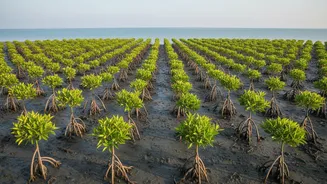
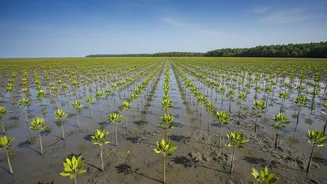
Building a bio-shield is a grassroots effort, often led by the very people it is designed to protect. The process begins with local knowledge. Villagers, particularly women and traditional fishers, identify degraded coastal mudflats and defunct salt pans where mangroves once stood. Supported by NGOs and government agencies, these communities establish local nurseries to cultivate mangrove saplings from seeds collected nearby. Women, in particular, have emerged as the leaders of this green revolution. In the Sundarbans, all-women 'Green Brigades' are responsible for everything from raising seedlings to planting and protecting the fledgling forests. This community-led model ensures that the right species are planted in the right places, dramatically increasing survival rates and fostering a powerful sense of local ownership.
More Than Just a Wall
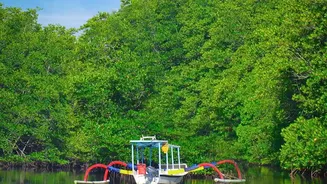
The benefits of a mangrove bio-shield extend far beyond storm protection. These restored forests quickly become bustling nurseries for fish, crabs, and prawns, which revitalises local fisheries and improves food security. This is a critical co-benefit for communities where fishing is a primary source of income. Mangroves are also among the world's most effective carbon sinks, capturing and storing vast amounts of carbon dioxide, which helps mitigate climate change. Furthermore, these projects create green jobs and new livelihood opportunities, from managing nurseries to eco-tourism ventures like guided mangrove safaris, empowering local communities economically.
The Challenges Ahead
Restoring these vital ecosystems is not without its challenges. Successful mangrove restoration requires a deep understanding of hydrology; if tidal water flow is blocked or altered, plantations can fail. Projects must be judged not by the number of saplings planted, but by their long-term survival and the ecological functions they restore. Continuous monitoring is crucial. Additionally, these initiatives face pressure from coastal development, pollution, and the need for sustained funding and supportive government policies to scale up from local successes to a regional defence network. The key is ensuring that community stewardship remains at the heart of the effort, transforming residents from potential victims of climate change into its most dedicated and knowledgeable defenders.