



The Showroom We Call Home
There is a certain allure to the pristine, minimalist interiors that dominate our feeds. These spaces promise a life free of clutter, where every object is beautiful and intentional. But in the pursuit of this picture-perfect aesthetic, we risk creating
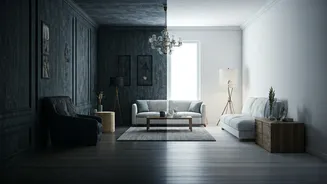
homes that feel more like showrooms than sanctuaries. Designers note that minimalist spaces, with their cool greys and stark whites, can often feel stiff or impersonal, like a museum where life is meant to be observed, not lived. This aesthetic, while clean, can lack emotional depth, making it difficult for us to form a genuine connection with our surroundings. A home should be a backdrop for our lives, not a stage set we're afraid to disturb.
The Psychology of a Story-Filled Space
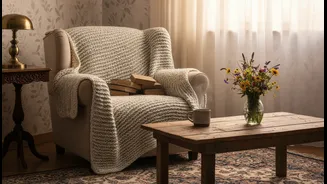
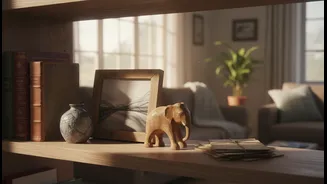
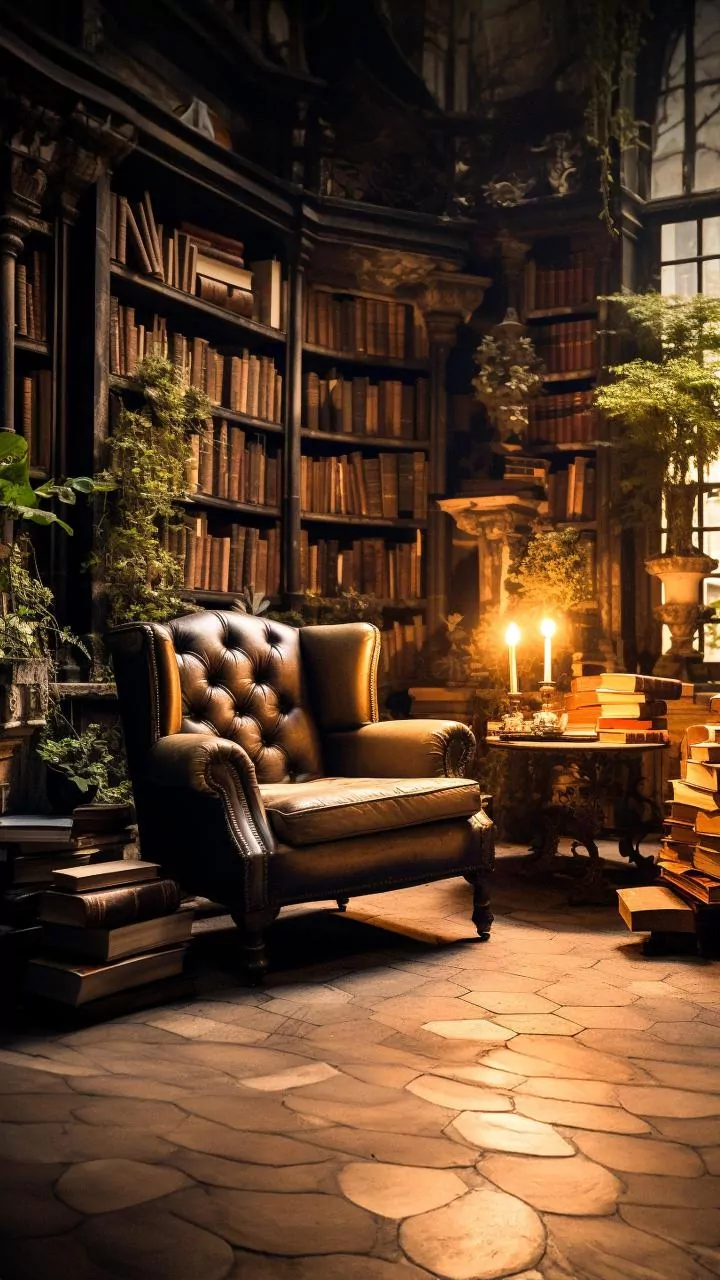
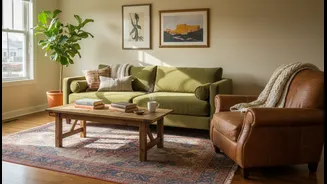
The reason we feel instantly at peace in some rooms and unsettled in others is deeply psychological. Our brains are wired to seek comfort and safety, and a personalized environment contributes directly to our emotional well-being. Objects with personal significance—a souvenir from a memorable trip, a piece of art made by a loved one, or a worn armchair inherited from a grandparent—act as powerful emotional anchors. They are tangible pieces of our life's story. Seeing these items triggers feelings of safety and comfort, reminding us of our journey, our passions, and the people we love. This is why a home filled with stories doesn't just look interesting; it feels like it belongs to you.
Curating Memories, Not Clutter
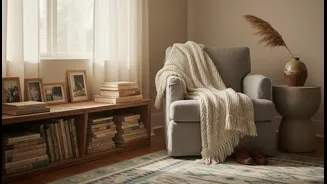
One of the biggest fears in moving away from a minimalist look is the threat of clutter. But telling your story doesn't mean filling every surface with trinkets. The key is thoughtful curation. It’s about choosing a few high-impact pieces that truly resonate, rather than accumulating items without purpose. Think of it as being the gatekeeper of your space, allowing in only the things that add to your personal narrative. You can create a 'memory shelf' for treasured objects, frame a child’s drawing, or use a vintage bowl passed down from a relative to hold your keys. These aren't just decorations; they are functional, beautiful parts of your daily life that infuse it with meaning.
Embracing the Perfectly Imperfect
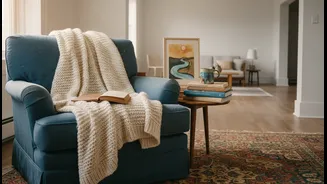
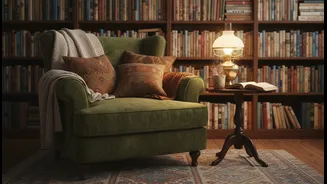
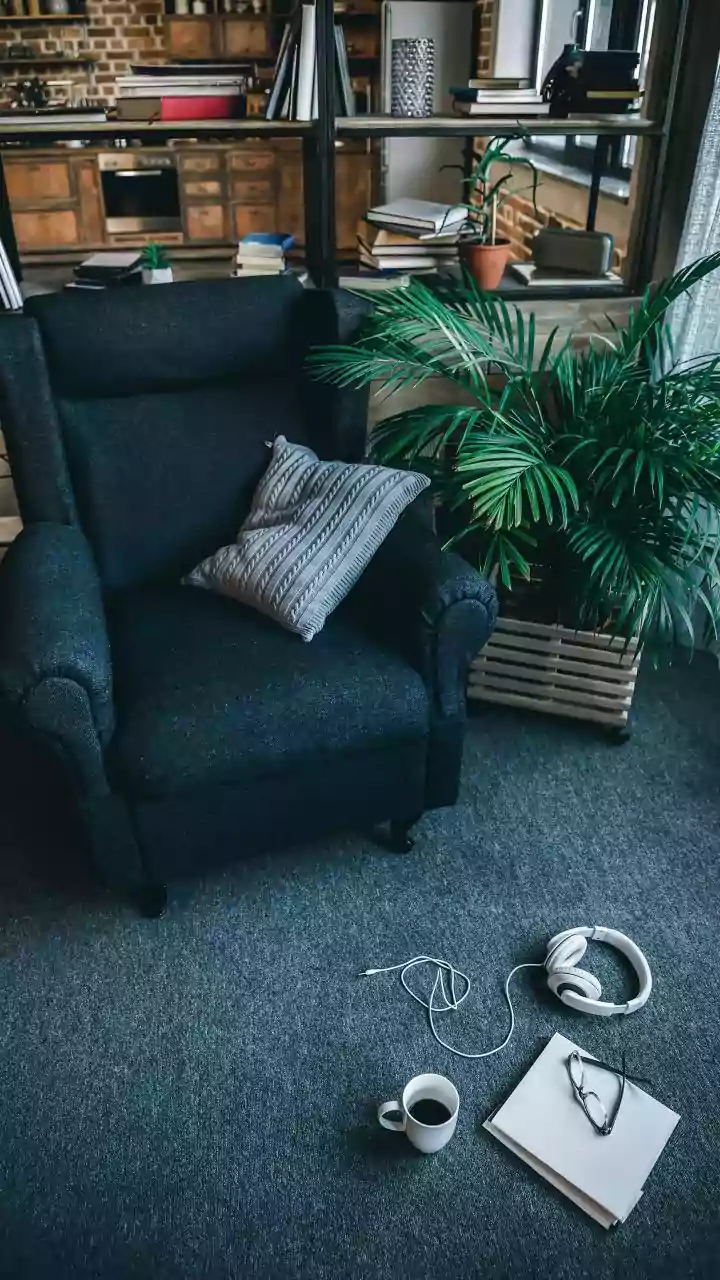
A home that is lived in will inevitably show signs of life. A scuff on the floor, a collection of mismatched mugs, or a stack of well-read books are not flaws to be hidden. They are evidence of happy moments, quiet afternoons, and a life being fully lived. Embracing imperfection is about letting go of the need for everything to be pristine. A broken but beloved plate or the drips of wax on a candle holder add character and history. These details tell a richer story than any perfectly arranged, mass-produced decor ever could. A home's soul lives in the pieces that can't be bought off a shelf.