






What Exactly Is Vetiver?
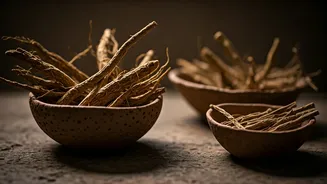
Vetiver, known locally as 'khus', is a perennial grass native to India. While the grass itself is unremarkable, its magic lies in its dense, fibrous root system. These roots have been cherished for centuries not just for their unique, earthy, and woody
aroma, but for their profound cooling properties. You have likely encountered it without even realising it — as the key ingredient in traditional green sherbets, woven into aromatic mats ('chiks' or 'tattis') that are sprinkled with water to cool a room, or as a base note in many high-end perfumes. Its legacy is deeply embedded in Indian culture as a natural and effective way to find respite from the scorching summer heat.
The Traditional Wisdom of Cooling
So, how does a simple root combat the mighty Indian summer? According to Ayurveda, vetiver is known for its 'sheeta virya' or cooling potency, which helps pacify the 'Pitta' dosha—the bodily energy associated with heat and metabolism that gets aggravated in summer. In more modern terms, vetiver roots contain essential oils that have calming and cooling effects. When infused in water, these properties are transferred to the liquid. Drinking this water helps to cool the body from the inside out. Furthermore, vetiver is a mild diaphoretic, meaning it can promote a gentle perspiration that helps regulate body temperature more effectively. Its natural antioxidant and alkalising properties also help in cleansing the system and preventing heat-induced issues like boils and rashes.
How to Make Vetiver-Infused Water
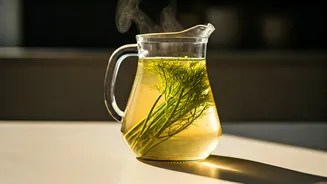
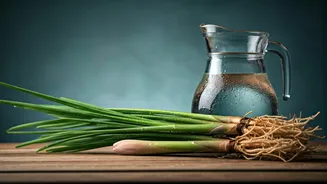
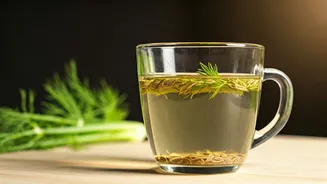
Creating your own cooling vetiver infusion is incredibly simple. It’s a natural, zero-calorie, and wonderfully fragrant alternative to plain water. Here’s how: 1. **Source Your Roots:** Purchase a small bundle of vetiver (khus) roots from a local market, an Ayurvedic store, or a reliable online retailer. Look for roots that are clean and have a strong, pleasant aroma. 2. **Clean Thoroughly:** The roots come from the ground, so they must be cleaned well. Hold the bundle under running water and rinse it thoroughly to remove any dirt or debris. You can gently scrub them if needed. 3. **Soak and Infuse:** There’s no need to boil the roots. Simply coil the cleaned bundle and place it inside an earthen pot ('matka') or a glass jug filled with drinking water. Let it soak for at least 3-4 hours, or preferably overnight, in the refrigerator or at room temperature if using a matka. 4. **Enjoy:** The water will take on a subtle, earthy flavour and a beautiful aroma. You can drink this water throughout the day. The same roots can be reused for 2-3 days before they start to lose their potency. Simply refill the pot with fresh water.
Beyond a Simple Drink
The benefits of vetiver don't stop with infused water. Its versatility makes it a fantastic addition to your entire summer wellness routine: * **A Cooling Bath:** Add a small bundle of cleaned vetiver roots to your bucket of bathwater and let it sit for about an hour. It will lightly scent the water and leave your skin feeling cool and refreshed. * **DIY Face Mist:** Pour some of your vetiver-infused water into a small spray bottle and keep it in the fridge. A quick spritz on your face offers instant relief from the afternoon heat. * **Natural Air Freshener:** Place a small bunch of dry vetiver roots in your closets and drawers. They act as a natural dehumidifier and impart a lovely, subtle fragrance to your clothes, warding off musty smells that can develop in humid weather.
Choosing and Storing Vetiver
When buying vetiver roots, trust your nose. Good quality roots will have a strong, rich, and earthy scent. If they smell faint or musty, they are likely old. Once you bring them home, wash them only before use. Store the dry, unused roots in a cloth bag in a cool, dark place. They will retain their fragrance and properties for months. After using a batch for infusions for a few days, you can sun-dry the roots completely and then use them as a drawer freshener or simply add them to your garden compost.