





Turmeric: The Golden Healer
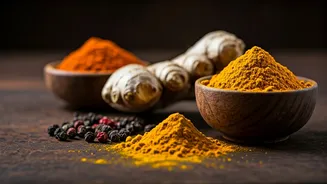
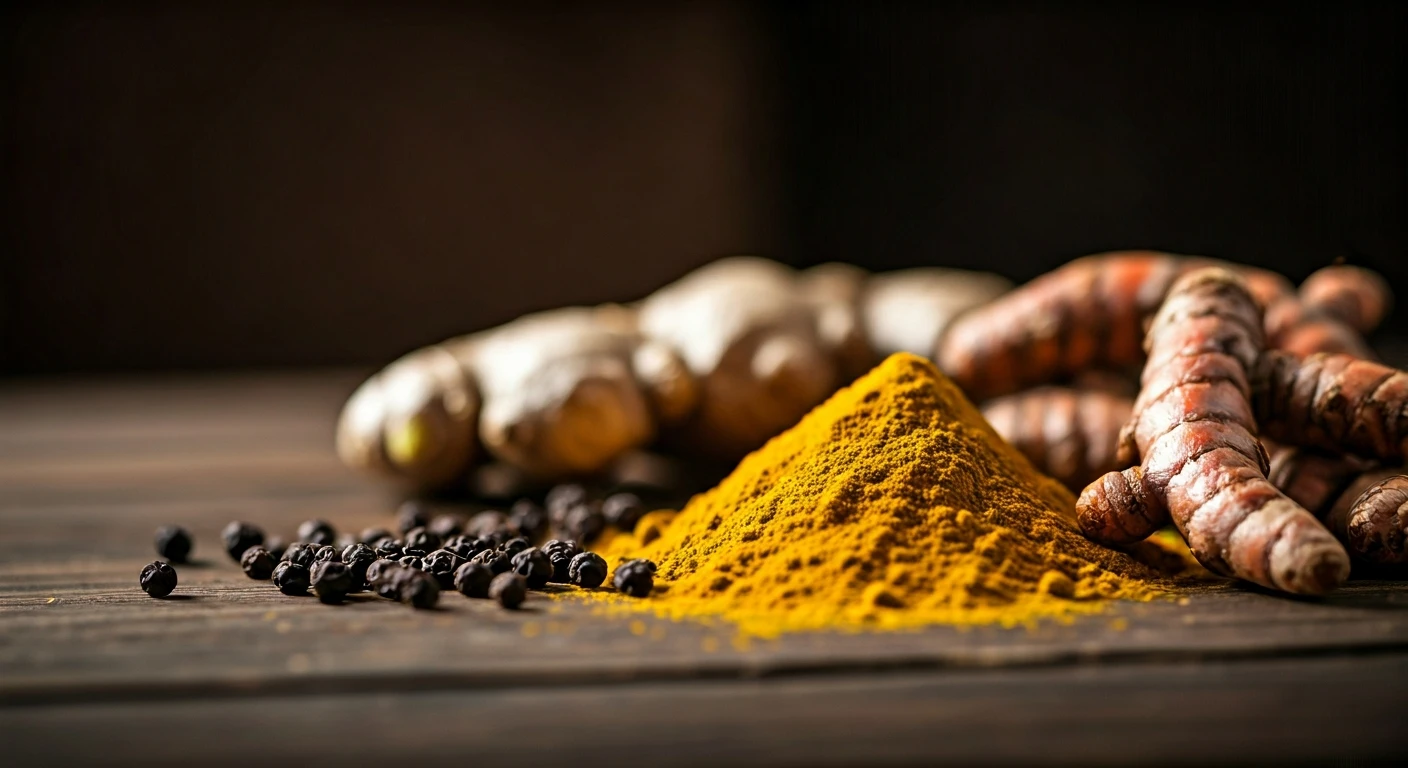
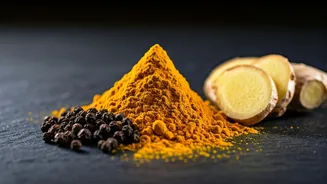
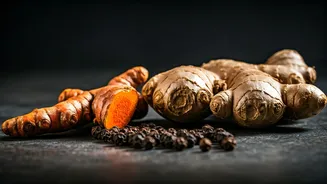
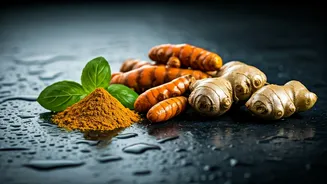
No Indian kitchen is complete without a container of bright yellow turmeric, or haldi. For generations, we’ve known it as more than just a colourant for our dals and sabzis. It's the key ingredient in 'haldi doodh' for colds and a traditional paste for minor
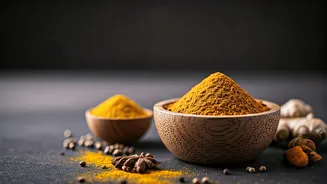
cuts and scrapes. Today, science is confirming what our grandmothers always knew. The magic lies in curcumin, turmeric's main active compound, which has powerful anti-inflammatory and antioxidant properties. Chronic inflammation is linked to many common health issues, and studies suggest that curcumin can help suppress many of the molecules known to play a major role in it. As an antioxidant, it helps neutralise harmful free radicals in the body. To get the most out of it, remember that curcumin is not easily absorbed by the body. Pairing it with a pinch of black pepper, which contains piperine, can significantly boost its absorption. So, continue adding it generously to your cooking, and consider that comforting cup of golden milk a time-tested wellness ritual.
Ginger: The Soothing Powerhouse
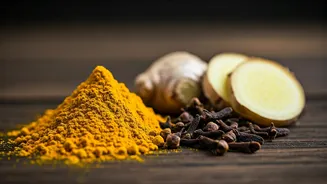
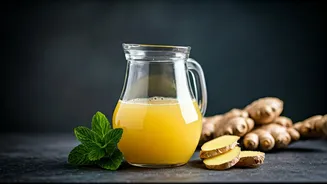
The sharp, pungent aroma of fresh ginger, or adrak, is synonymous with comfort, especially in the form of a steaming cup of 'adrak wali chai' on a rainy day. This gnarled root has been a cornerstone of traditional medicine for centuries, primarily celebrated for its ability to soothe an upset stomach. Its main bioactive compound, gingerol, is responsible for much of its medicinal power. Scientific studies have consistently shown that ginger is highly effective against nausea, from morning sickness to motion sickness. It's also known to aid digestion by helping the stomach empty more quickly, providing relief from indigestion and bloating. Beyond digestion, ginger is a potent anti-inflammatory and a go-to remedy for colds and sore throats. Its warming properties can help you break a sweat, which can be beneficial when you’re feeling under the weather. Whether you grate it into your tea, finely chop it for your curries, or blend it into a smoothie, making ginger a daily habit is a simple way to support your digestive health and immune system.
Cinnamon: The Sweet Stabiliser
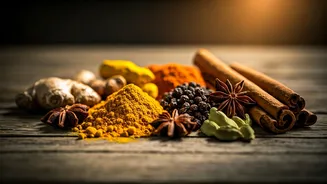
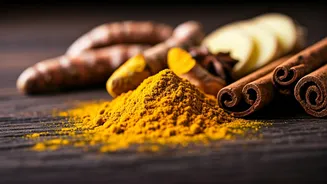
Often associated with rich biryanis and the complex flavour of garam masala, cinnamon, or dalchini, is a spice that bridges the gap between sweet and savoury. But its benefits extend far beyond its delightful aroma. Cinnamon is loaded with powerful antioxidants, such as polyphenols, which protect your body from oxidative damage. In fact, one study showed that cinnamon had higher antioxidant activity than other well-known 'superfoods' like garlic and oregano. Perhaps its most studied benefit is its potential impact on blood sugar levels. Several studies suggest that cinnamon can help lower blood sugar by increasing insulin sensitivity, making it easier for glucose to move from the bloodstream into cells. While it's not a replacement for medical treatment, it can be a beneficial addition to a balanced diet. Don’t just save it for special occasions. Try sprinkling a little cinnamon on your morning oatmeal, adding it to your coffee, or dusting it over fresh fruit for a flavourful and functional boost to your day.