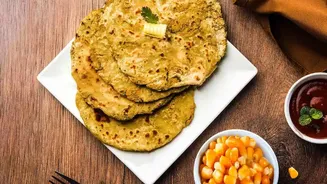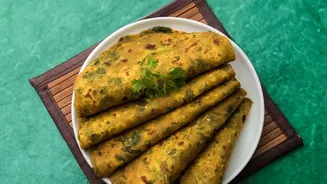



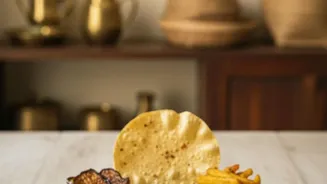
As a chill settles in the air, our kitchens call for meals that are both warming and deeply satisfying. This radish-stuffed jowar paratha answers that call, blending rustic tradition with wholesome ingredients for a truly comforting dish.
An Ode to Winter Comfort
In the vast landscape
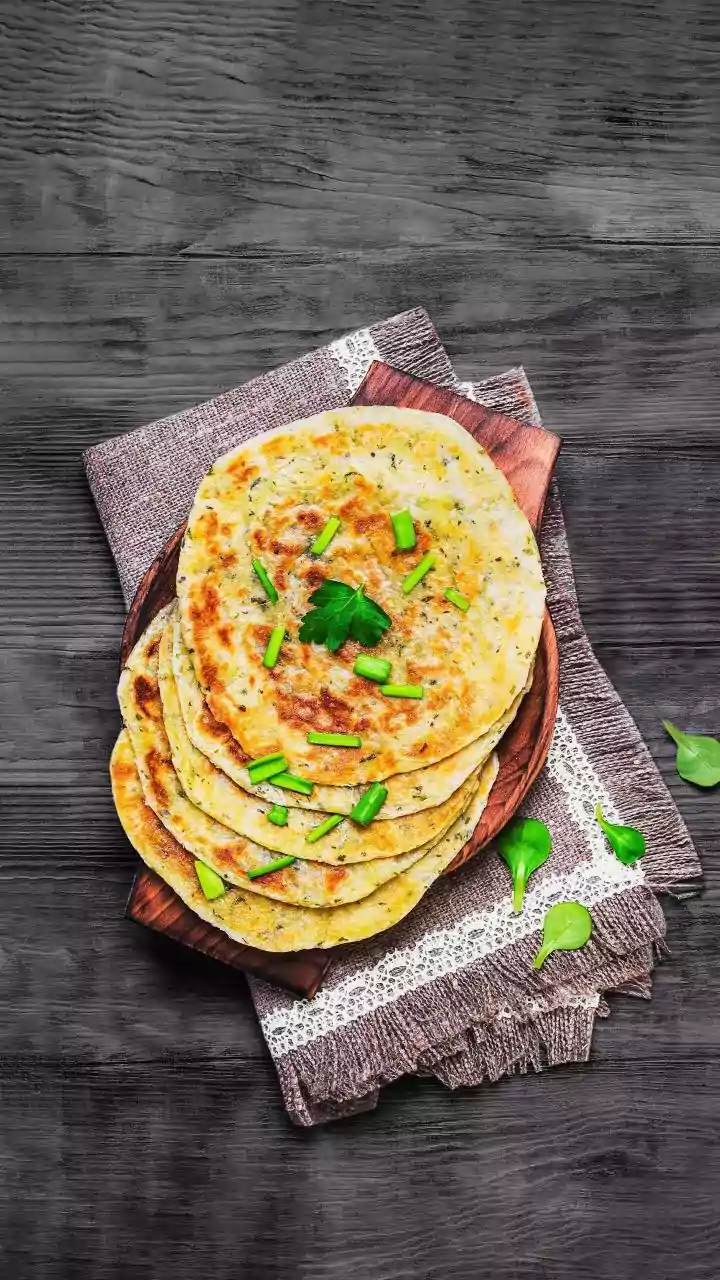
of Indian flatbreads, parathas hold a special place as a hearty, satisfying meal. While aloo and gobi parathas are perennial favourites, the winter season brings its own unique star: the Mooli Paratha. This version, however, gets a healthy and traditional twist by swapping out whole wheat flour for jowar, or sorghum. The result is a gluten-free flatbread that combines the earthy, nutty flavour of jowar with the sharp, peppery zest of fresh radish. It’s a rustic, homestyle dish that evokes a sense of warmth and well-being, making it an ideal breakfast, lunch, or dinner on a cold day.
The Power-Packed Winter Ingredients
The magic of this paratha lies in its two core components, both of which are particularly beneficial during winter. Jowar is considered a 'warming' grain in traditional Indian food wisdom. It is packed with fibre, which aids digestion—a common concern in colder months—and its complex carbohydrates provide sustained energy to keep you active. Being naturally gluten-free, it's also gentle on the stomach. Radish, or 'mooli', is a quintessential winter vegetable for good reason. It is rich in Vitamin C, which helps boost immunity against common colds and flu. Its high potassium content can help regulate blood pressure, while its fibrous nature supports good digestion and detoxification. Some recipes even call for using the radish leaves, which are even more nutrient-dense than the root itself, packed with iron and vitamins.
Crafting Your Jowar Mooli Paratha
Making a jowar paratha requires a slightly different technique than a wheat-based one, as the dough is gluten-free and can be delicate. Many recipes agree on a key trick: use hot or warm water to knead the dough. This helps to create a softer, more pliable dough that is less prone to cracking. For the filling, the most crucial step is to salt the grated radish and let it sit for 10-15 minutes. This draws out excess water, which you must squeeze out completely to prevent the parathas from becoming soggy. The drained radish is then mixed with spices like ajwain (carom seeds), ginger, green chillies, coriander, and sometimes a pinch of garam masala. To assemble, you can either mix the filling directly into the dough or stuff it in the traditional way by rolling out two small discs of dough and sandwiching the filling between them.
Tips for a Perfect Paratha
Working with jowar flour can be intimidating for beginners, but a few tips can ensure success. Knead the dough well, for at least 3-4 minutes, until it is smooth and non-sticky. If the dough feels too dry, add a little more warm water; if it's too sticky, add a sprinkle of jowar flour. Don't let the prepared dough rest for too long, as it can dry out. When rolling, be gentle. Patting the dough with your fingertips on parchment paper or a plastic sheet can be easier than using a rolling pin. This method helps you control the shape and thickness without tearing the dough. Cook the parathas on a medium-hot tawa, pressing down gently with a spatula to help them cook evenly. They won’t puff up like a phulka, but they will develop beautiful golden-brown spots.
Serving Suggestions
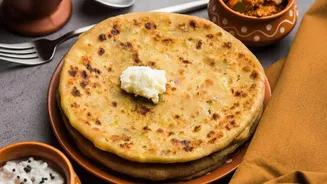
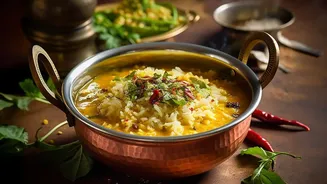
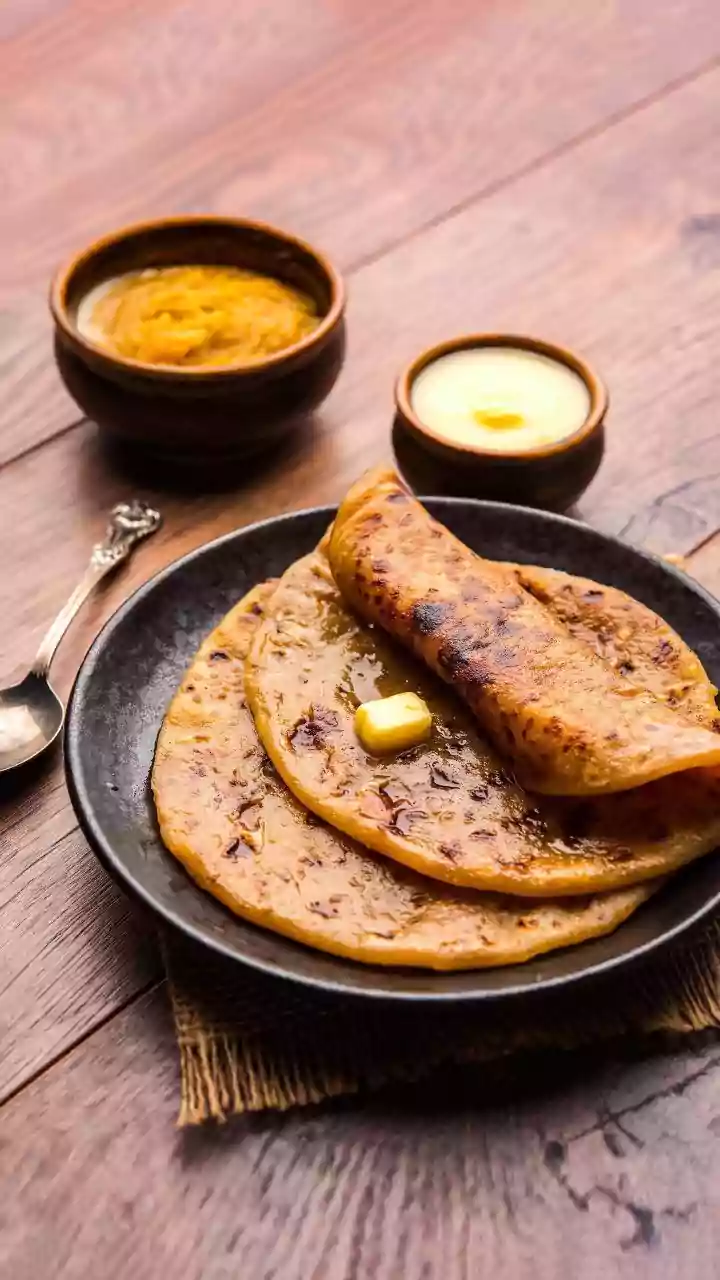
A hot Jowar Mooli Paratha is a delight on its own, but it pairs beautifully with classic accompaniments that enhance its flavours. A dollop of fresh white butter (makkhan) melting on top is a traditional and indulgent choice. A simple bowl of plain curd or a flavourful raita, like one made with bathua (chenopodium) or cucumber, provides a cooling contrast to the spiced paratha. A side of tangy pickle, especially mango or lemon, or a fresh coriander-mint chutney also works wonderfully. For a more substantial meal, it can be served with a simple dal or a light vegetable curry.