


The Promise of the Digital Detective
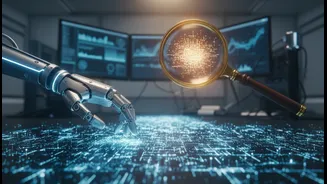
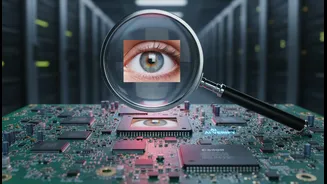
With the explosion of hyper-realistic images and text generated by artificial intelligence, a new industry of AI detectors has emerged, promising to be our first line of defence. These tools are designed to analyse content and spot the subtle, almost
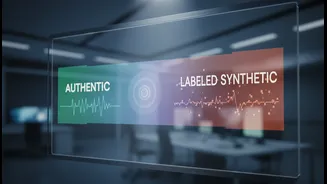
invisible 'fingerprints' that AI models leave behind. For journalists, educators, and social media platforms, they offered a simple, powerful solution: a clear verdict on whether a piece of content was made by a human or a machine. The goal was to restore a sense of trust online, giving us a way to verify information and curb the spread of convincing but entirely fabricated 'deepfakes'. The demand is undeniable, as companies and individuals seek a definitive way to separate authentic content from synthetic media.
The Cracks Begin to Show
That promise is now facing a harsh reality check. A recent Reuters analysis from July 2026 provided a stark example: a new detection tool from Meta failed to identify 55% of AI-generated images created by its own system after they were simply cropped. This isn't an isolated incident. A range of studies and audits show that many leading detectors are surprisingly brittle. They can be thrown off by common image alterations like resizing, compression, or adding a filter. In some tests, detectors have falsely flagged authentic news photos as being AI-generated, while in others, they miss AI-generated text if it's been edited even slightly by a human. The result is a tool that can be unreliable when it matters most, creating a false sense of security and, in some cases, making wrongful accusations.
Why Are Detectors So Brittle?
The core problem lies in the headline's key phrase: "binary labels." Most detectors are designed to give a simple yes-or-no answer — is it AI or not? This binary approach is inherently fragile because the line between human and AI creation is becoming increasingly blurred. Many tools work by looking for statistical patterns or 'artifacts' typical of a specific AI generator. But the AI models creating content are evolving far more rapidly than the tools trying to catch them. A detector trained to spot tells from last year's models may be completely blind to the more sophisticated output of today's generators. Furthermore, a simple screenshot or a social media upload can compress an image, effectively wiping away the very digital clues the detector was built to find. This creates a constant cat-and-mouse game where the detectors are always a step behind.
Beyond a Simple 'Real or Fake'
The fragility of these detectors has profound implications. If we cannot reliably trust the tools meant to verify reality, the risk of misinformation skyrockets, especially during sensitive events like elections. It also creates a new problem: bad actors can now use a detector's false positive result to wrongly discredit authentic evidence by claiming it's fake. The emerging consensus is that a simple 'real or fake' button is a failed experiment. The challenge isn't just to build a better detector, but to build a more resilient system of trust. This includes a push for 'provenance' solutions, such as the Content Credentials (C2PA) standard, which acts like a secure digital passport for content, tracking its origin and edits. It also highlights an urgent need for greater public media literacy, as human judgment — flawed as it is — remains a crucial component of verification.