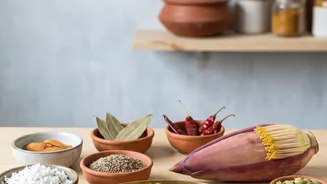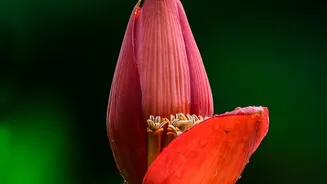



Hiding in plain sight in bustling markets and traditional kitchens across India is a culinary gem that many have yet to discover. The banana flower, a teardrop-shaped marvel, is the secret behind many flavourful and nutritious regional dishes.
What is a Banana Flower?
Known as
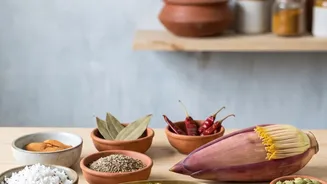
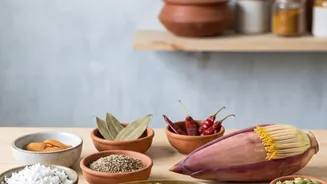
'vazhaipoo' in Tamil, 'mocha' in Bengali, and 'kele ka phool' in Hindi, the banana flower (or banana blossom) is the large, purplish flower that grows at the end of a banana bunch. While the banana plant is famous for its fruit, nearly every part of it is used in cooking, from the leaves to the stem. The flower itself is not one single unit but is composed of layers of leaf-like bracts. Beneath these tough outer layers are rows of tiny, delicate florets which, if left on the plant, would develop into bananas. The taste is often described as subtly nutty and slightly astringent, with a texture similar to artichoke hearts when cooked, making it a versatile absorber of spices.
A Nutritional Powerhouse
Beyond its unique taste, the banana flower is celebrated for its impressive health benefits. It is packed with essential nutrients, including fibre, protein, potassium, calcium, iron, magnesium, and Vitamin E. Traditional and Ayurvedic practices have long used it to manage various conditions. Rich in both soluble and insoluble fibre, it aids digestion and can help improve gut health. Its high iron content may help in boosting haemoglobin levels. The flower is also loaded with antioxidants like flavonoids and tannins, which help the body fight free radicals, potentially reducing the risk of chronic diseases.
The Art of Preparation
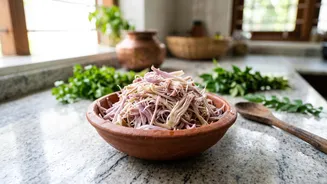
The main reason the banana flower isn't a modern kitchen staple is its preparation, which can seem intimidating. It is a labour of love, but a simple process once you know the steps. First, it’s wise to oil your hands to prevent staining from the flower’s sap. Peel away the tough, dark outer bracts one by one. You will find rows of small florets inside. From each floret, you must remove the tough pistil (a thin stalk with a sticky head) and the small, translucent scale-like calyx, as they are tough and can be bitter. As you get closer to the centre, the florets become tender, and you can chop the inner core without this detailed cleaning. To prevent the chopped flower from browning, it's crucial to immediately place it in a bowl of water mixed with buttermilk, lemon juice, or a pinch of turmeric.
Iconic Dishes Across India
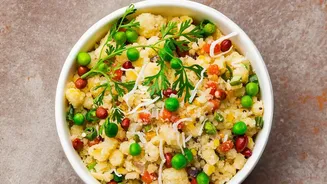
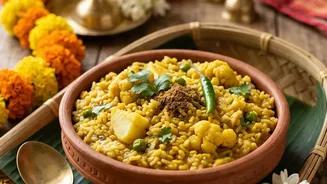
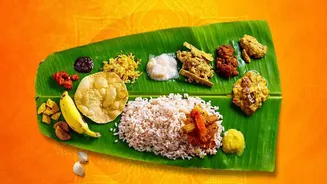
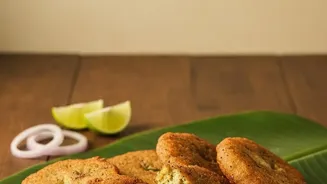
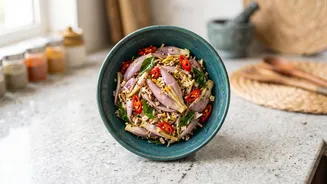
The banana flower's versatility shines in a variety of regional dishes. In South India, particularly Tamil Nadu, 'Vazhaipoo Poriyal' is a beloved stir-fry where the chopped flower is cooked with onions, mustard seeds, urad dal, and a generous amount of grated coconut. Another South Indian favourite is 'Vazhaipoo Vadai', a crispy, savoury fritter made by mixing the florets with a spiced lentil batter. In Bengal, 'Mochar Ghonto' is a classic vegetarian delicacy. It’s a semi-dry curry where the boiled and mashed flower is slow-cooked with potatoes, coconut, and a blend of aromatic spices like cumin and garam masala, often served with hot rice and ghee. From Andhra's tangy 'Arati Puvvu' curry to Kerala's 'Vazhakoombu Thoran', each region has its own unique way of celebrating this incredible vegetable.