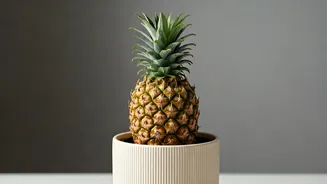



What is an Ornamental Pineapple?
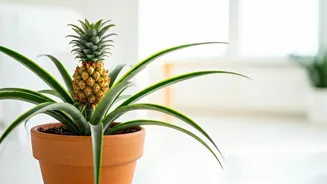
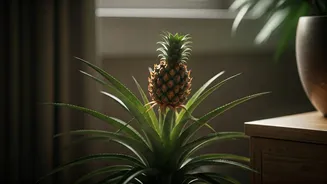
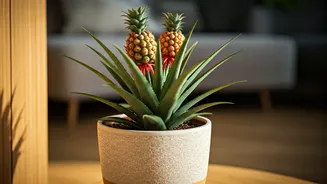
First things first, yes, it’s a real plant that grows a real, albeit tiny, pineapple. Known botanically as Ananas comosus ‘nanus’ or dwarf pineapple, this plant is a member of the bromeliad family. Unlike its large, grocery-store cousins, this variety
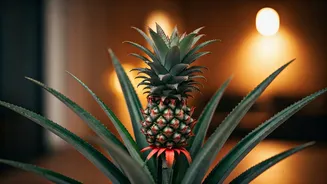
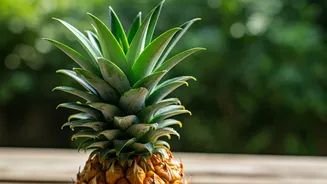
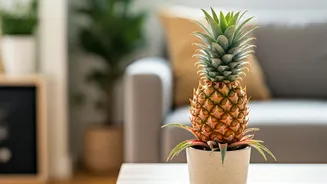
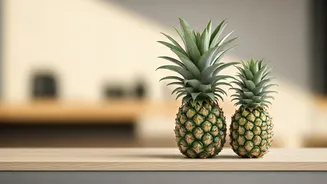
is grown specifically for its looks. It features the classic spiky green leaves spiralling out from a central stalk, but the main event is the miniature fruit that emerges from the top, often no bigger than a few inches. These plants stay relatively compact, making them perfect for windowsills, shelves, and tabletops, instantly adding a tropical vibe without demanding a huge amount of space.
A Symbol of Welcome
Beyond its playful appearance, the pineapple has a rich history as a symbol of hospitality. In the 17th and 18th centuries, pineapples were a rare and expensive delicacy imported from the tropics. A host who could present a pineapple to guests was signalling immense wealth and a desire to offer the very best. This tradition made the pineapple an emblem of warmth, friendship, and a hearty welcome. Placing an ornamental pineapple in your home is a modern nod to this charming tradition, making your space feel inviting and friendly.
Caring for Your Quirky Companion
You don't need a tropical climate to keep this plant happy. Ornamental pineapples are surprisingly low-maintenance. They thrive in bright, indirect sunlight, so a spot near a sunny window is ideal. Like other bromeliads, they are sensitive to overwatering. It’s best to let the top inch or two of soil dry out completely before watering again. In fact, they are more tolerant of a little dryness than they are of soggy roots, which can lead to rot. Use a well-draining potting mix, perhaps one designed for cacti or bromeliads, to ensure excess water can escape. They also appreciate a bit of humidity, so they do well in kitchens or bathrooms.
The Big Question: Is It Edible?
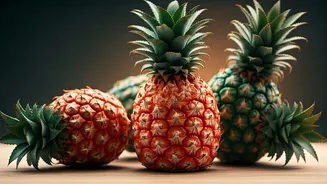
Technically, the miniature fruit is edible, but it's not grown for its flavour. Most people find the fruit to be quite tough, woody, and extremely tart or acidic—a far cry from the sweet, juicy pineapple you'd buy to eat. Think of it more like a crabapple; you could eat it, but you probably wouldn't want to. The plant's energy goes into creating its unique appearance rather than producing palatable fruit. So, it's best to enjoy this pineapple with your eyes, not your taste buds, and use it as a striking decorative element.
Styling Your Pineapple Plant
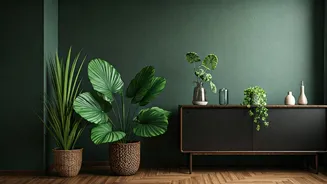
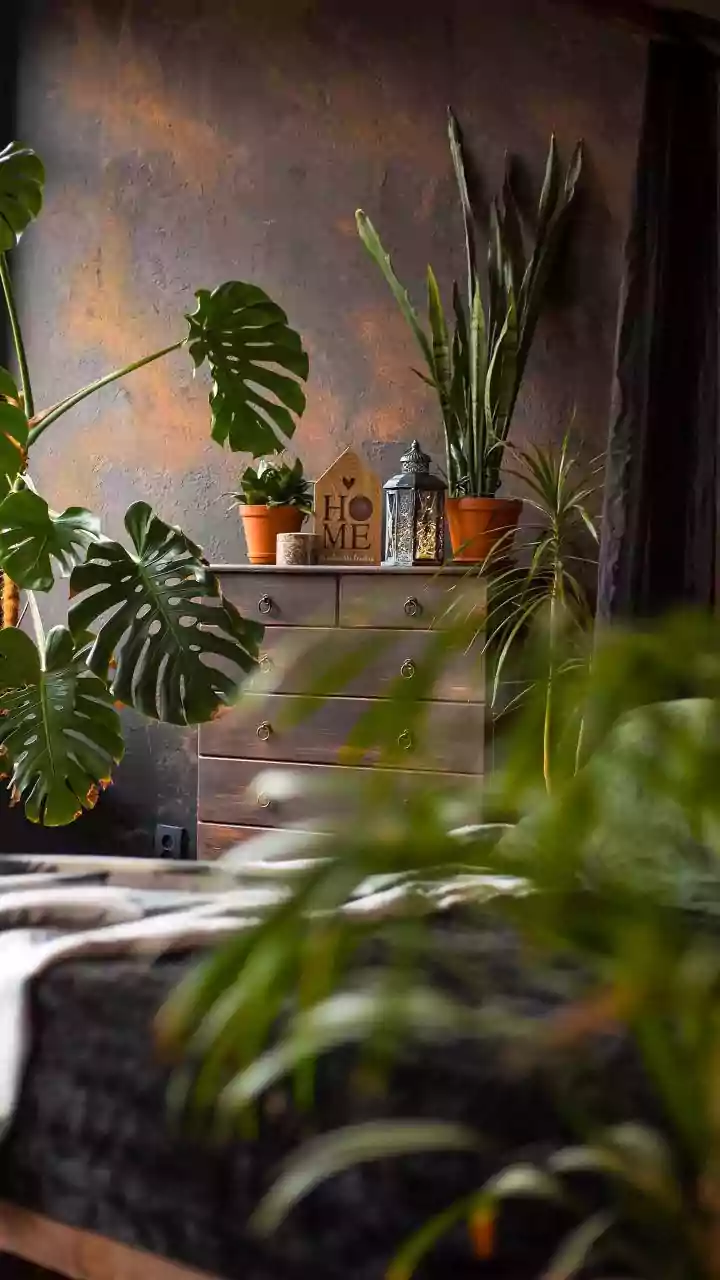
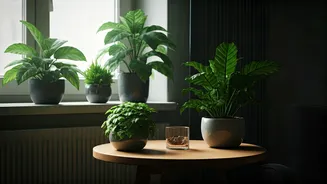
The playful nature of the ornamental pineapple makes it a versatile decorating tool. Placed in a colourful pot, it can be a vibrant centrepiece on a dining table or coffee table. Group it with other tropical plants like monsteras and palms to create a lush, jungle-like corner. Its spiky silhouette provides a fantastic textural contrast to plants with softer, rounded leaves. Because of its historical connection to hospitality, it’s a wonderful plant to place in an entryway or guest room to make visitors feel instantly welcome. Don't be afraid to experiment with fun and quirky planters to amplify its playful character.