

Designing for the Digital Palate
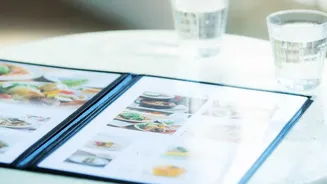
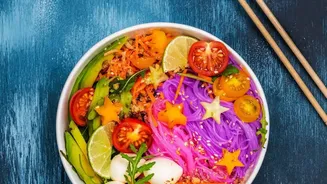
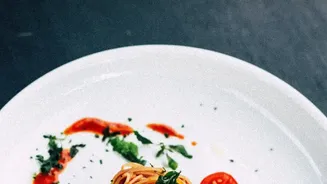
Not long ago, a menu's success was judged primarily on taste, quality, and price. Today, a new metric has become just as crucial: 'Instagrammability'. Restaurants are increasingly designing dishes not just for the palate, but for the picture. This involves
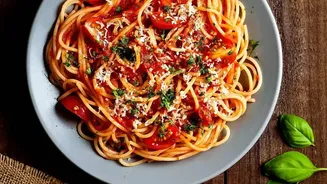
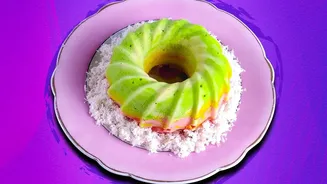
a conscious effort to make food visually striking, ensuring it stands out on a scrolling social media feed. Think of gravity-defying milkshakes piled high with toppings, rainbow-coloured bagels, or the dramatic 'cheese pull' from a mozzarella stick. These dishes are engineered for virality. Chefs and menu developers now consider colour contrast, height, and novelty as key ingredients. The goal is to create something so visually arresting that customers feel compelled to share it, turning their personal social media accounts into free marketing platforms for the restaurant.
The Business of Going Viral
For a restaurant, especially a small or independent one with a limited marketing budget, a single viral post can be transformative. It can lead to lines around the block and a packed dining room for weeks. This potential for massive, organic reach has fundamentally altered the economics of menu development. A dish that costs more in terms of labour or ingredients might justify its expense if it reliably generates social media buzz. Restaurants now actively collaborate with food influencers to launch new items, knowing their endorsement can create instant demand. Some chains have even incorporated viral menu hacks created by TikTok users into their official offerings, demonstrating a direct feedback loop between online trends and corporate strategy. The entire restaurant experience, from the custom ice cubes in a cocktail to the tiles on the floor, is often designed to create branded, shareable moments.
When Taste Takes a Backseat
However, this focus on aesthetics is not without its downsides. A growing number of savvy diners are reporting a disconnect between a dish's online appearance and its real-life taste. The complaint is becoming common: a meal looks incredible on Instagram but is underwhelming, overpriced, or impractical to eat. This raises a critical question for the industry: is the pursuit of the perfect picture coming at the expense of flavour? Some critics argue that it stifles culinary creativity, forcing chefs to follow visual trends rather than innovate with taste. There are also operational challenges. Highly intricate dishes can slow down kitchen service, especially during peak hours, and can be difficult to consistently reproduce, leading to customer disappointment when the real thing doesn't match the viral image.
Beyond the Gimmick: A Return to Authenticity?
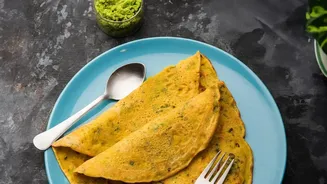
As consumers become more aware of 'Instagram bait', a counter-movement appears to be gaining traction. While a beautiful photo is still a powerful tool for discovery, diners are increasingly looking for substance behind the style. In response, some successful restaurants are shifting their social media strategy. Instead of focusing on over-the-top gimmicks, they are highlighting craftsmanship, the quality of their ingredients, live-fire cooking, or the personality of their staff. This approach aims to build credibility and communicate a genuinely satisfying experience that a pretty picture alone cannot. Interestingly, research suggests that while unique-looking foods are trendy, social media users often engage more with photos of familiar, classic dishes that are easily recognisable. This may signal that while visual appeal is important, the ultimate driver of success remains a meal that is, above all, delicious and satisfying.