





The New Weekend Blueprint
Forget the old Friday night movie and lazy Sunday routine. The new weekend for many young Indians starts the moment the laptop shuts on Friday evening and ends sometime early on Monday morning, often with a login from a different city. This isn't about
a long, planned annual vacation; it's a strategic, recurring escape. A report from Scapia highlights this trend as a 'Micro Holiday Economy', where leisure travel becomes a year-round lifestyle choice. Instead of one big yearly trip, younger travellers are opting for multiple, shorter getaways. An Agoda report from earlier this year found that 72% of Indian Gen Z travellers prefer trips lasting between one and seven days, a clear sign that the short, sharp break is becoming the norm. This 72-hour window, often stretched by taking a late-night flight on Thursday or an early morning one on Monday, is seen as the perfect duration to unplug and recharge without dipping too deep into annual leave.
What's Fuelling the Wanderlust?
Several factors are converging to make these mini-vacations possible and popular. The most significant is the evolution of work culture. The rise of remote and hybrid work models, accelerated post-pandemic, has blurred the lines between the office and the world, giving employees unprecedented flexibility. This allows them to travel without formally being on leave. Improved connectivity, including budget airlines and better highways, has also made previously distant destinations accessible for a weekend. There's a powerful psychological driver at play too. After years of lockdowns and restrictions, a 'revenge travel' mindset has morphed into a sustained desire for experiences over possessions. This is particularly true for Gen Z and Millennials, who are now driving travel trends, prioritising memories and connections. Social media acts as a constant source of inspiration, making picturesque getaways feel both aspirational and achievable.
The Logistics of the Quick Escape
Spontaneity is key. One-third of domestic flight bookings are made within just three days of departure, showcasing an impulsive travel style. Young travellers are becoming masters of budget-conscious planning. Instead of lavish hotels, many opt for boutique homestays, hostels, or shared Airbnbs, which aligns with the finding that for many, who they travel with matters more than the destination itself. Financial planning has also adapted. Rather than impulsive spending, many young Indians are now creating dedicated travel budgets and setting aside monthly savings, much like a Systematic Investment Plan (SIP), but for experiences. This disciplined approach allows for frequent travel without accumulating debt. The focus is on smart luxury—spending on unique experiences or comfortable stays, like four and five-star properties for shorter durations, rather than on the length of the trip itself.
Where Is Everyone Going?
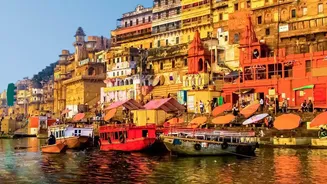
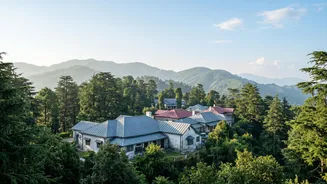
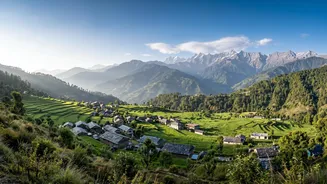
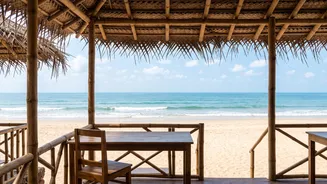
The destinations of choice are often a short flight or a scenic drive away from major metro cities like Delhi, Mumbai, and Bengaluru, where a large chunk of this travelling workforce resides. For those in Delhi, the Himalayan foothills of Rishikesh and Mussoorie offer a quick escape. Mumbaikars frequently head to the hills of Lonavala or the coastal town of Alibaug. From Bengaluru, the hills of Coorg and Chikmagalur or the French-influenced streets of Puducherry are popular choices. While domestic travel remains strong, visa-friendly international destinations are also seeing a surge in weekend traffic. Short-haul spots in Southeast Asia like Thailand and Bali, and Middle Eastern hubs like Dubai, are increasingly appearing on 72-hour itineraries, thanks to simplified visa processes and increased flight connectivity.
A Statement of Modern Priorities
This trend is more than just about travel; it's a statement about work-life balance and personal values in 2026. For many, travel is an act of self-expression. It represents a quiet rebellion against the traditional 9-to-5 grind and the notion that one must wait until retirement to see the world. These short bursts of exploration serve as a vital tool for managing the stress of modern urban life, a way to prevent burnout by punctuating routines with novelty and adventure. By prioritising these micro-vacations, young Indians are redefining success, measuring it not just in career milestones and financial wealth, but in a rich portfolio of experiences, passport stamps, and stories gathered one weekend at a time.