




The Burnout of Fast Fashion
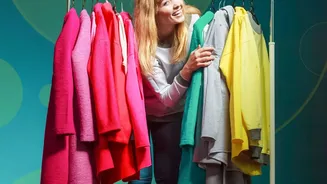
For years, the fashion landscape in India has been dominated by the rapid-fire production of inexpensive, trend-driven clothing. This model, fueled by social media influencers and aggressive e-commerce discounts, created a culture of overconsumption where
wardrobes were constantly updated. However, this has come at a cost. Consumers are now contending with closets full of low-quality garments that lose their shape after a few washes, and a growing awareness of the environmental fallout. India is one of the world's largest generators of textile waste, and the industry is a major consumer of water and contributor to pollution. This reality has led to a visible exhaustion with the cycle of buying cheap, disposable clothing, pushing many to seek alternatives.
A Shift to Conscious Consumerism
The conversation around fashion is changing, moving from 'what's new' to 'what matters'. Young consumers, particularly Gen Z and millennials, are increasingly driven by their values. There is a rising consciousness about the environmental and ethical impact of their purchases. This generation is asking more questions about where their clothes come from and how they are made, favouring brands that are transparent about their supply chains and labour practices. This shift isn't just about environmentalism; it's about a desire for authenticity and self-expression. Many are moving away from mass-market global brands in favour of homegrown labels that reflect their values and offer a sense of uniqueness.
The Economic Sense of 'Investment Dressing'
Beyond ethics, the move towards lasting fashion is rooted in sound financial logic. The concept of 'investment dressing' is gaining traction, encouraging consumers to focus on quality over quantity. This involves calculating the 'cost-per-wear'—a high-quality, timeless piece worn dozens of times is a smarter buy than a cheap, trendy item worn only once or twice. Consumers are realizing that investing in well-made garments from durable fabrics like organic cotton, linen, or handloom textiles is not just a style choice, but a way to manage personal finances better by reducing the need for frequent replacements. This mindset champions buying fewer, better things that offer long-term value and versatility.
Reviving Heritage and Personal Style
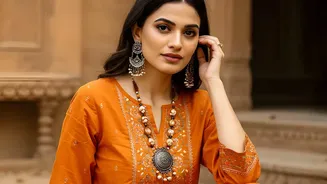
This trend is also deeply connected to a renewed appreciation for India's rich textile heritage. India has a long history of slow fashion principles, from hand-spun Khadi to intricate handloom weaving, which inherently stand for durability and craftsmanship. Young Indians are now looking inward, embracing local artisans and traditional techniques as a form of modern luxury. They are turning old family heirlooms, like saris, into contemporary outfits and mixing handcrafted textiles with modern silhouettes. This is not just about sustainability; it's a powerful way to express personal identity and cultural pride, creating a style that is unique and meaningful rather than dictated by fleeting global trends.
The Rise of the Mindful Wardrobe
The social media landscape that once fueled fast fashion is also hosting the counter-movement. A new wave of influencers and content creators are championing practices like thrifting, upcycling, capsule wardrobes, and repeating outfits. This digital community offers a powerful alternative to the 'haul' culture, showing that style can be creative and sustainable. They are proving that a mindful wardrobe—built on timeless designs, versatile pieces, and pre-loved finds—is not about restriction but about cultivating a more personal and responsible relationship with fashion. This shift encourages consumers to think like curators of their own style, rather than just consumers of trends.