




Stage 1: The Dreaming & Research Phase
Every great adventure begins with a simple thought: 'I want to go somewhere.' This first stage is all about embracing that inspiration without pressure. Instead of trying to plan everything at once, allow yourself to dream. Browse travel blogs, watch
documentaries, and scroll through stunning photos. Ask yourself what kind of experience you want. A relaxing beach escape? A bustling city adventure? A trek through nature? As you narrow your focus, start light research on two or three potential destinations. Look into the best time of year to visit, general costs, and major attractions. This is a low-stakes way to turn a vague dream into a tangible idea. The goal here isn’t to book anything, but to choose a destination that excites you and aligns with your budget and timeline, which will provide a clear direction for the next steps.
Stage 2: The Paperwork & Big Bookings Phase
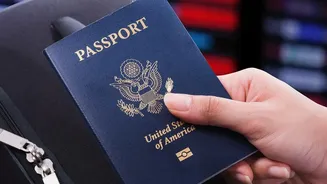
This is where the panic often kicks in, but it’s manageable when you focus on just two things: official documents and major transport. First, your passport. Check its expiry date immediately. Many countries require your passport to be valid for at least six months beyond your planned date of departure. If you need to apply for a new one or renew it, do it now, as processing can take months. Next, check visa requirements for your chosen destination by visiting its official embassy or consulate website. Once your documents are in order, you can confidently book your main flight. Securing your flight is a huge milestone that makes the trip feel real and provides fixed dates to plan around, turning abstract anxiety into concrete excitement.
Stage 3: The Itinerary & Accommodation Phase
With your flights booked, the skeleton of your trip is in place. Now it’s time to add the muscle. This stage is about deciding where you’ll sleep and what you’ll do. Start by booking your accommodation. Whether you prefer hotels, hostels, or rental homes, having your home base secured for at least the first few nights provides a huge sense of security. Then, move on to the fun part: planning your activities. Be careful not to overschedule. A common mistake for first-timers is trying to cram too much into each day, which leads to exhaustion. Instead, pick one or two 'must-do' activities per day and leave room for spontaneous discoveries. Researching local customs and learning a few basic phrases can also be done at this stage, helping you feel more prepared and respectful.
Stage 4: The Practical Preparation Phase
In the month leading up to your trip, shift your focus to the practical details. This is the time to plan your packing strategy. Check the weather for your destination and pack versatile, layered clothing rather than overpacking for every possibility. Inform your bank and credit card companies of your travel dates to avoid your cards being frozen. Figure out your money situation: will you use cards, carry local currency, or a mix? Also, arrange for phone connectivity, whether that means getting an international plan, a local SIM card, or an eSIM. Finally, make digital and physical copies of all your important documents: passport, visa, flight confirmations, and hotel bookings. Keep them separate from the originals.
Stage 5: The Final Countdown & Departure
The week before you fly is for final checks and managing pre-travel jitters. Pack your carry-on with essentials for the flight: a change of clothes, medications, chargers, a good book, and a reusable water bottle. Getting a good night's sleep before you travel is crucial for managing anxiety. Download offline maps and any entertainment for the flight. On departure day, arrive at the airport early to give yourself plenty of time to check in, get through security, and find your gate without rushing. Airport anxiety is common, but feeling prepared makes it far more manageable. By this point, you've done all the hard work. All that's left is to board the plane and get ready for an incredible adventure you've thoughtfully planned.