





The Shock at the Sabzi Mandi
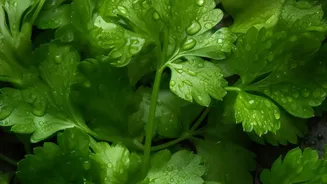
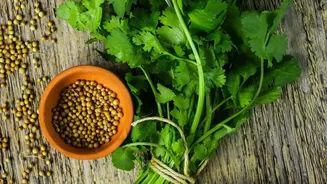
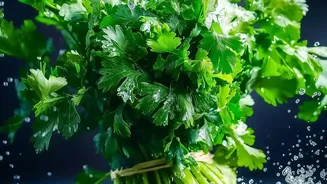
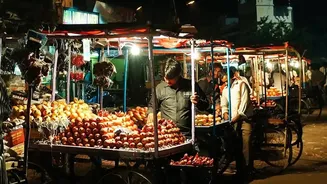
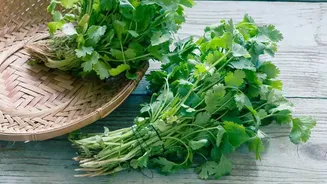
If you've felt a pinch while buying vegetables recently, you are not alone. Fresh coriander, or dhaniya patti, a staple garnish for countless Indian dishes, has seen its price skyrocket. Retail rates have climbed to ₹220-230 per kg in cities like Delhi,
a stark contrast to the typical wholesale price of around ₹25 per kg for this time of year. This sudden surge has turned what was once a freebie into a luxury item, forcing households and restaurants to reconsider its generous use in daily cooking.
Why Your Dhaniya Is So Expensive
The primary culprit behind the price hike is the weather. Heavy and erratic monsoon rains in key growing regions, particularly in and around Nashik in Maharashtra, have severely damaged standing crops. Nashik is a major supplier of green coriander to markets across northern India. The flooding in late July not only ruined the crops but also disrupted transportation and logistics, creating a significant supply chain bottleneck. This has reduced the availability of good-quality coriander that can survive the long journey to major city mandis.
A Nationwide Squeeze
While the focus has been on supply lines to Delhi, this is not a localized problem. Supplies from other major producing centres like Bengaluru and Latur have also declined due to delayed or inconsistent rainfall earlier in the season. This created an initial shortage even before the recent heavy rains made things worse. The combination of damaged crops in multiple regions and transport-related delays means fewer trucks are reaching wholesale markets, and the produce that does arrive commands a premium.
Smart Swaps for Your Kitchen
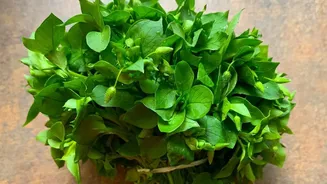
With prices so high, it's a good time to explore alternatives. For a fresh, green garnish, finely chopped mint (pudina) or even parsley can work in many dishes, though their flavour profiles are different. Parsley offers a fresh, grassy flavour without the citrusy note of coriander. For curries and dals where coriander is a base flavour, consider using a bit more coriander powder. You can also turn to other herbs like dill or even Thai basil in specific recipes like stir-fries or soups.
Making Your Precious Dhaniya Last
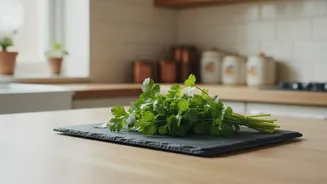
If you do decide to buy coriander, making it last is key to getting your money's worth. One of the best ways to store it is to trim the stems slightly and place the bunch in a glass of water, like a bouquet of flowers, covering it loosely with a plastic bag in the refrigerator. Another effective method is to wrap the unwashed, dry leaves in a paper towel and then place them inside an airtight container or zip-lock bag. This prevents moisture from wilting the leaves quickly, extending their life for over a week.
What to Expect Next
Traders and market analysts expect prices to remain volatile in the short term. Stability will depend on two main factors: an improvement in weather conditions in the growing belts and the arrival of the next crop cycle. Coriander is a relatively fast-growing herb, so a period of stable weather could see supplies improve within a few weeks. However, until the supply chain fully recovers from the monsoon damage, shoppers should brace for continued high prices for this essential kitchen herb.