







Understanding the Role of a Challan
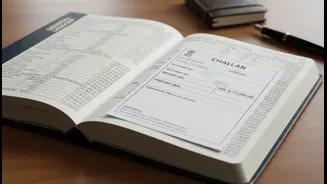
A tax challan is a critical document used for paying taxes to the government. Whether it’s Tax Deducted at Source (TDS), advance tax, or self-assessment tax, each payment is accompanied by a challan which contains vital information. This includes your
Permanent Account Number (PAN) or Tax Deduction Account Number (TAN), the assessment year, the major head (type of taxpayer), and the minor head (type of tax paid). The Centralized Processing Centre (CPC) of the Income Tax Department relies on these details to credit the tax paid to your account. Any mismatch can cause the automated system to flag your return and delay your rightful refund.
How Simple Errors Cause Major Delays
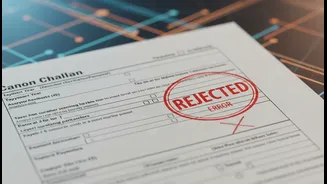
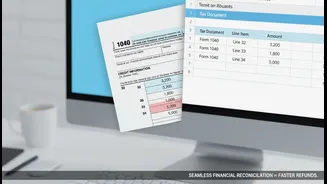
Mistakes in a challan can happen easily. A taxpayer might select the wrong assessment year, or a deductor might enter an incorrect PAN. When you file your Income Tax Return (ITR), the system cross-references the tax you claim to have paid with the information in its database from these challans. If the details don't match—for example, if the tax was deposited under the wrong assessment year—the system will not find the corresponding payment. This mismatch leads to an automatic rejection of the tax credit claim, resulting in a lower (or no) refund and potentially even a tax demand notice.
Your Rights According to Legal Precedents
The good news for taxpayers is that judicial bodies have consistently ruled that procedural errors should not override a taxpayer's substantive right to a refund. Recent rulings from the Income Tax Appellate Tribunal (ITAT) have reinforced this principle. The tribunal has stated that if tax has been legitimately paid, denying a refund based on a technicality like a wrong assessment year in a challan amounts to unjust enrichment by the revenue department. Citing Article 265 of the Constitution, which mandates that no tax can be collected without the authority of law, courts have directed the department to grant refunds once the taxpayer provides evidence of the payment.
How to Correct Challan Mistakes
The Income Tax Department has established procedures for correcting challan errors. For challans related to advance tax or self-assessment tax (for assessment years 2020-21 onwards), taxpayers can submit an online correction request through the e-filing portal. You can request changes for attributes like the assessment year. For TDS challan corrections, the deductor must use the TRACES (TDS Reconciliation Analysis and Correction Enabling System) portal. The process involves logging into the respective portal, submitting a correction request, and getting it processed. It's important to note that a challan correction request can typically be made only once online; subsequent changes may require contacting the Jurisdictional Assessing Officer.
Steps to Take If Your Refund Is Stuck
If your refund is delayed due to a challan mismatch, don't panic. First, verify the error by checking your Form 26AS and the ITR. If there is a mistake, initiate the correction process as described above. If the department has already issued an intimation denying the tax credit, you can file a rectification request under Section 154 on the e-filing portal, selecting "Tax Credit Mismatch Correction". If your issue remains unresolved, you can raise a grievance through the e-Nivaran system on the income tax portal. When communicating with the department, citing relevant ITAT rulings can strengthen your case.