




A Different Side of Ladakh
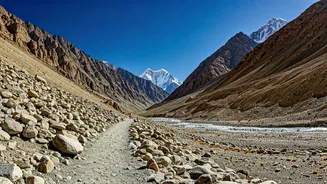
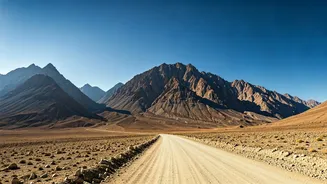
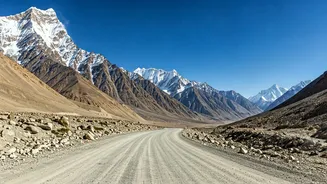
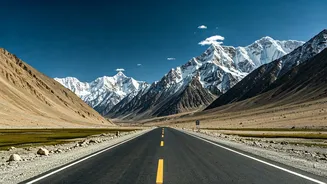
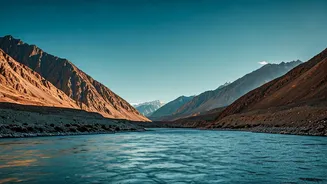
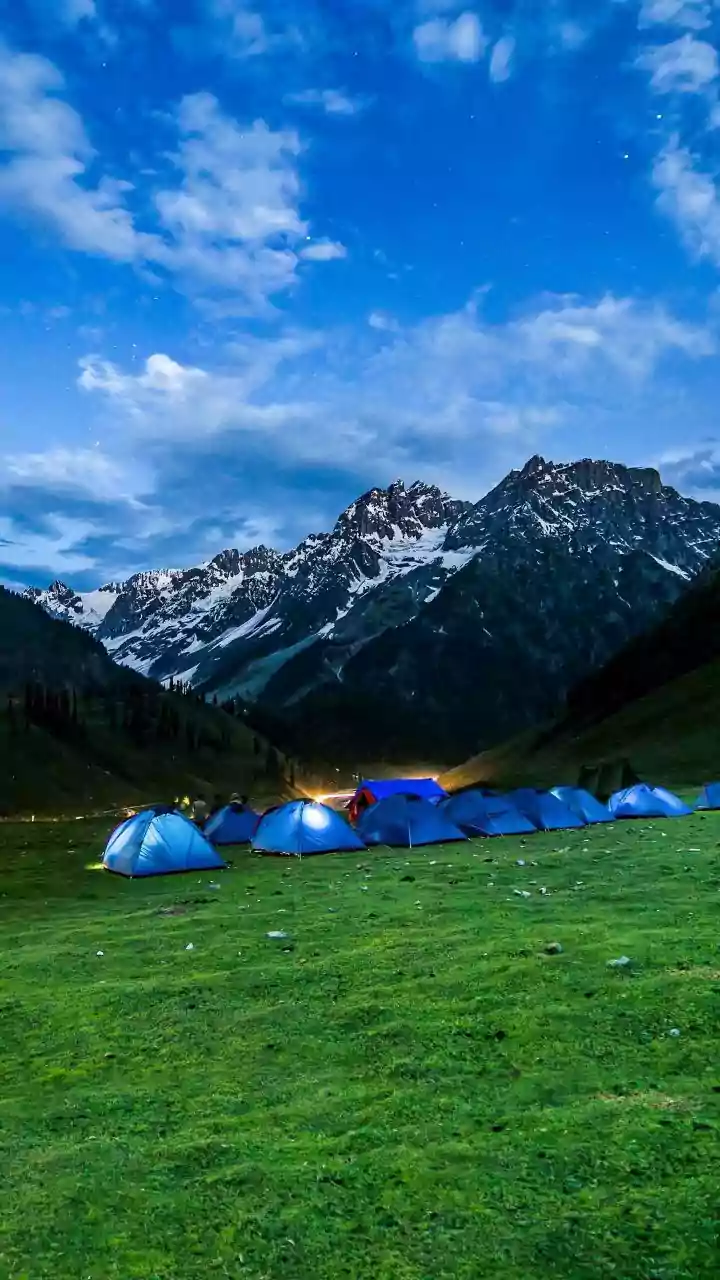
When you picture Ladakh, your mind probably conjures images of rugged, snow-dusted peaks, dramatic barren valleys, and azure blue skies stretching over a high-altitude desert. While that iconic landscape is undeniably breathtaking, a different, softer
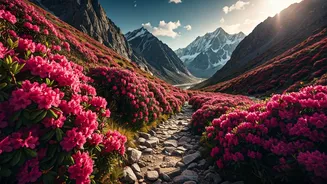
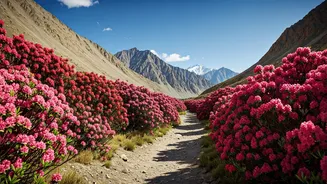
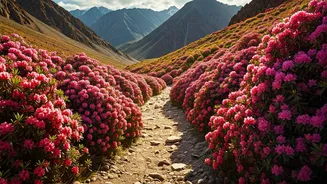
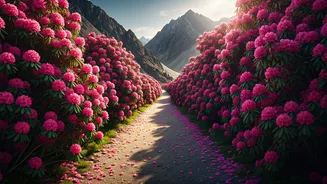
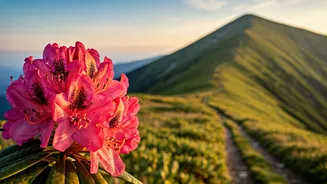
spectacle is currently unfolding on its lower-altitude trails. For a fleeting period each year, patches of the otherwise austere terrain erupt in brilliant shades of crimson, pink, and white. This is the magic of the rhododendron bloom, a phenomenon that has recently captured the imagination of India’s adventure community, filling social media feeds with scenes that look more like a Himalayan spring in Himachal or Uttarakhand than the arid beauty of Leh.
The Star of the Show: 'Buransh'
The flower causing all this excitement is the rhododendron, known locally in many Himalayan regions as 'Buransh'. While often associated with states like Uttarakhand, where it is the state tree, certain species of this hardy plant thrive in the challenging conditions of Ladakh. These are not the sprawling forests you might find elsewhere, but rather resilient groves and scattered bushes that add a startling, almost surreal burst of colour to the rocky slopes. The bloom is a powerful symbol of life's tenacity, flourishing at altitudes where little else grows with such vibrancy. For trekkers, stumbling upon a path lined with these bell-shaped flowers against a backdrop of stark mountains is an unforgettable experience.
Where to Find These Crimson Trails
The key to witnessing this floral spectacle is to focus on treks in the lower to mid-altitude ranges of Ladakh, as the blooms typically occur before the region's main high-altitude trekking season kicks into full gear. The Markha Valley trek, one of Ladakh’s most popular routes, offers some of the best opportunities to see rhododendrons, particularly in its lower sections and side valleys during the right season. Trails around the Hemis National Park and other routes that start from villages like Chilling or Zingchen are also promising. Instead of a single 'rhododendron path', think of it as a treasure hunt where you’ll find magnificent pockets of colour decorating the landscape as you ascend.
Planning Your Trip: The Perfect Window
Timing is everything. The rhododendron blooming season in Ladakh is a brief, precious window that typically falls between late April and early June. This period precedes the peak summer tourist rush but coincides with the opening of many trekking routes after a long winter. The exact timing can vary slightly each year based on the severity of the winter and the arrival of spring temperatures. May is often considered the sweet spot, offering a good balance of pleasant weather, accessible trails, and the highest probability of seeing the flowers in their full glory. It's advisable to check with local tour operators or trekking guides for the most current ground reports before finalising your plans.
How to Trek Responsibly
As these trails gain popularity, it's crucial to approach them with a sense of responsibility. The Ladakhi ecosystem is incredibly fragile. The 'Leave No Trace' principle is paramount here: pack out everything you pack in, including wrappers and organic waste. Stick to the designated trails to avoid trampling on delicate vegetation and causing soil erosion. While the flowers are beautiful, resist the urge to pluck them. They are a vital part of the local ecosystem and are there for everyone to enjoy. By hiring local guides and staying in homestays, you not only gain a richer cultural experience but also contribute directly to the local economy that protects these natural wonders.