






The Science of a Warm Glow
The comforting feeling we get from warm lighting isn't just our imagination; it's rooted in our biology. Our bodies operate on a circadian rhythm, an internal clock regulated by light. Cool, blue-toned light, like bright daylight, signals our brain to be
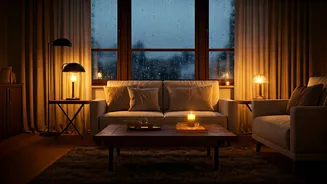
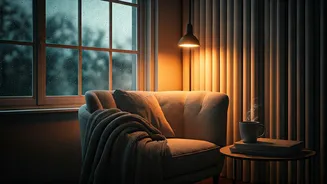
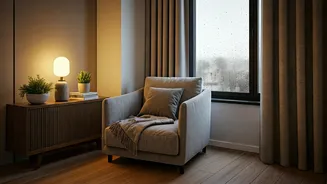
alert and productive by stimulating cortisol. In contrast, warm, yellow, and orange-hued light does the opposite. It mimics the glow of a sunset, firelight, or candlelight, which are ancient signals for our bodies to relax and wind down. This type of light promotes the production of melatonin, the hormone that helps us prepare for sleep, fostering a sense of calm, safety, and relaxation. On a dreary, rainy day, the outside world is filled with cool, grey light. Creating a bubble of warm light indoors provides a powerful psychological contrast, making our homes feel like a true sanctuary from the elements.
Decoding Light Bulb Language
When you're trying to capture that cozy feeling, the key is to understand colour temperature, which is measured in Kelvins (K). It might sound technical, but it’s simple. A lower Kelvin number means a warmer, more yellow light, while a higher number indicates a cooler, bluer light. For that perfect rainy-day ambiance, you want to look for bulbs in the 2700K to 3000K range. A 2700K bulb will give you a soft, intimate glow very similar to traditional incandescent bulbs or even candlelight. A 3000K bulb is still warm but a bit crisper, offering a good balance of coziness and clarity. Most LED bulbs now clearly state their Kelvin rating on the packaging, making it easy to choose the right mood for your space.
The Danish Secret: Layering Your Light
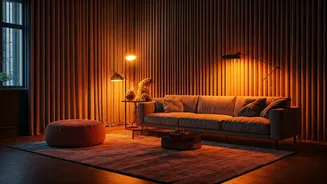
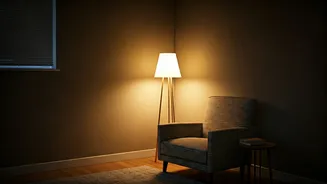
The Danes have a word for this feeling of cozy contentment: 'hygge' (pronounced hoo-ga). A central part of achieving hygge is through thoughtful lighting. The secret is to avoid harsh, single-source overhead lighting, which can feel clinical and flat. Instead, create 'islands of light' by layering multiple sources. Think of a floor lamp in a corner casting a wide, soft glow, a table lamp next to your favourite armchair for reading, and perhaps some wall sconces to add a gentle, ambient light to the room. This technique creates a rich interplay of light and shadow, which adds depth, warmth, and visual interest to a space, making it feel instantly more inviting and dynamic.
Simple Ways to Add Warmth
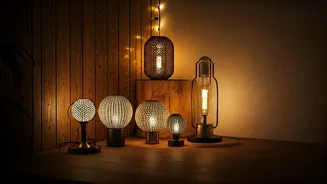
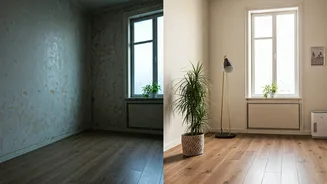
You don’t need a complete lighting overhaul to make your home cozier. Start with small, impactful changes. Swap out the main bulb in your living room or bedroom for a warm white LED (2700K is a great starting point). Installing a dimmer switch is another fantastic and relatively inexpensive upgrade. Dimmers give you complete control over brightness, allowing you to dial down the intensity in the evening to create a more tranquil environment. And don't underestimate the power of decorative sources. A simple strand of fairy lights draped over a bookshelf or headboard can add a magical, whimsical glow. Even using lampshades made of fabric or darker materials can help diffuse the light, creating that deep, soothing radiance you're looking for.
Don't Forget the Flicker
Of course, the original source of warm, comforting light is fire. While not everyone has a fireplace, candles are the quintessential hygge accessory for a reason. Their gentle, flickering light is inherently calming and creates an unmatched sense of intimacy. You can group them on a coffee table or scatter a few tealights in safe holders around the room for a magical effect. If you have pets or young children and are concerned about open flames, good-quality LED candles can offer a surprisingly realistic flicker without the worry. The goal is to introduce a living, moving light source that helps a space feel dynamic and alive, turning a simple evening at home into a restorative experience.