





More Than Just a Passing Trend
The resurgence of handwoven textiles is more than just a fleeting fashion moment; it represents a significant shift towards conscious consumption and cultural appreciation. Timed perfectly with this renewed interest, India celebrated its 12th National
Handloom Day on August 7, 2026, an annual event established in 2015 to honour the country's weaving communities and their contribution to the nation's socioeconomic fabric. The date itself commemorates the 1905 Swadeshi Movement, which championed indigenous products, making the modern revival a powerful echo of a historical call for self-reliance. This growing movement is driven by consumers who are increasingly seeking authenticity and sustainability, moving away from mass-produced garments towards pieces with a story and a soul.
The Weaves Getting a Modern Makeover
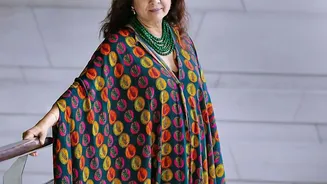
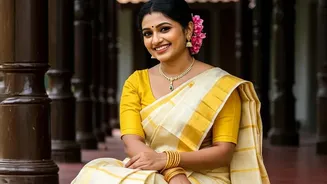
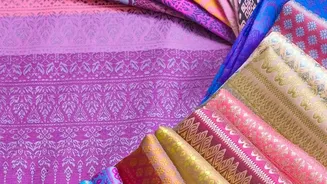
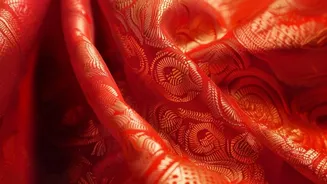
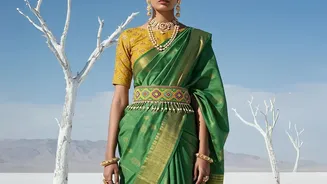
Several traditional fabrics are at the heart of this revival, finding new life in contemporary silhouettes. Jamdani from West Bengal, known for its intricate, almost ethereal motifs on sheer cotton, is no longer just for sarees. Designers are using it for light jackets and dresses. Chanderi from Madhya Pradesh, with its gossamer-like texture and subtle sheen, is being fashioned into adaptable separates and shirts. The bold, geometric patterns of Ikat, a complex dyeing technique perfected in regions like Odisha and Telangana, now appear on everything from streetwear jackets to chic co-ord sets. Even the opulent Banarasi silk, once reserved for bridal wear, is being reinterpreted into smart jackets, trousers, and accessories, making its luxurious feel accessible for more than just special occasions.
Designers as Curators of Craft
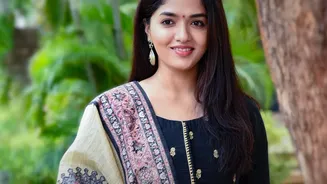
India's fashion designers have become pivotal figures in this revival, acting as bridges between artisan clusters and the urban consumer. Labels like Raw Mango, Ekaya Banaras, and 11.11/eleven eleven have built their brands on the foundation of handloom, proving that traditional textiles can be both timeless and fashion-forward. They work closely with weaving communities, often providing design interventions that help adapt ancient techniques for modern tastes without compromising on authenticity. By transforming fabrics like Banarasi brocade, Khadi, and Chanderi into structured separates, minimalist dresses, and even handwoven denim, these designers are challenging the notion that handloom is only for ethnic wear. Their work not only creates beautiful clothing but also ensures that weaving skills are valued and passed down.
A More Conscious Wardrobe
At its core, the handloom revival is a vote for sustainability. The handloom process is inherently eco-friendly, using minimal electricity and producing negligible waste compared to industrial power looms. Many weavers use natural fibres and organic dyes derived from plants and minerals, reducing the chemical pollution associated with fast fashion. Choosing handloom is an investment in quality craftsmanship and durability, promoting a 'slow fashion' ethos where garments are cherished for years, not just a season. This shift also has a profound socio-economic impact, supporting the livelihoods of over 3.5 million weavers and allied workers, a significant number of whom are women in rural areas. While challenges like low wages persist for many artisans, the growing demand provides a vital economic lifeline and helps preserve invaluable cultural heritage.