




The High-Altitude Challenge
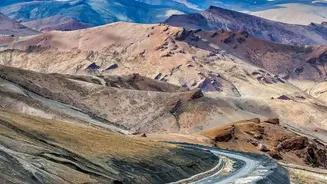
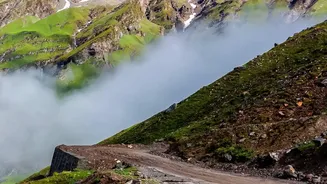
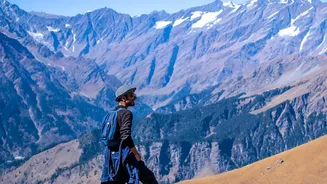
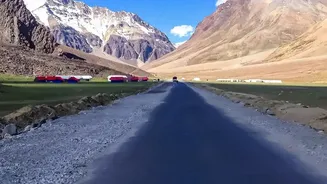
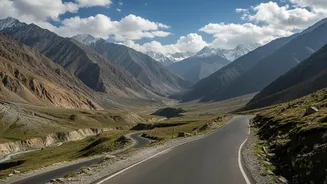
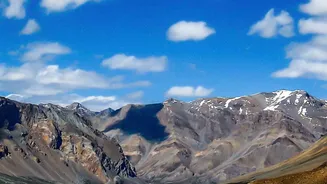
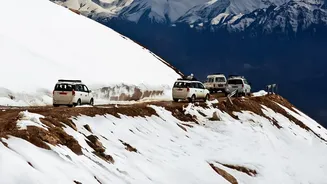
The 428-kilometre Manali-Leh highway is one of the world's highest motorable roads, with an average elevation of over 4,000 metres (13,000 feet). The route crosses several high passes, including the formidable Taglang La at 5,328 metres (17,480 feet). At
these heights, the air contains significantly less oxygen. Your body needs time to adjust to this, a process called acclimatisation. Rushing it can lead to Acute Mountain Sickness (AMS), a condition with symptoms ranging from headaches and nausea to life-threatening complications like High-Altitude Pulmonary Edema (HAPE) and High-Altitude Cerebral Edema (HACE). Proper acclimatisation isn't just a suggestion; it's a critical safety measure.
Plan Your Itinerary for Gradual Ascent
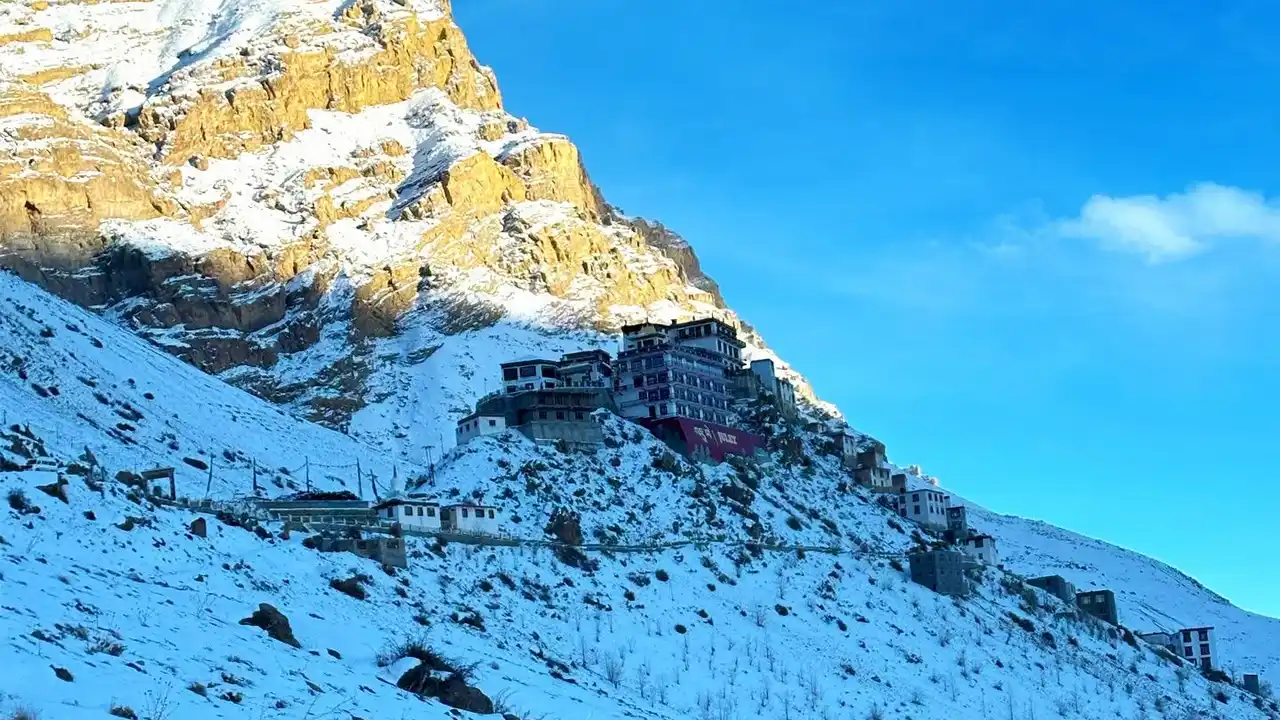
The single most important factor in preventing AMS is a slow, gradual ascent. While the drive can technically be done in two days, it is highly discouraged as it forces a rapid gain in altitude. A three-day journey is the recommended minimum. The golden rule is to 'climb high, sleep low'. A widely recommended and safer itinerary involves an overnight stay in either Keylong (3,080m) or Jispa (3,320m) on the first night. Manali itself is at about 2,050 metres. Staying at Keylong or Jispa allows your body a crucial night at a manageable altitude before pushing higher. Avoid staying overnight at Sarchu (4,290m) on your first day, as the significant jump in sleeping altitude is a common trigger for AMS.
Before You Leave: Medical Consultation and Fitness
Weeks before your trip, it's wise to consult a doctor, especially if you have pre-existing conditions related to the heart, lungs, or blood pressure. Discuss your travel plans and ask about preventative medication. Acetazolamide, commonly sold as Diamox, is a prescription drug frequently used to hasten acclimatisation. Your doctor can advise if it's suitable for you and provide the correct dosage, which typically starts a day or two before your ascent. While you don't need to be a professional athlete, improving your cardiovascular fitness in the months leading up to the trip can help your body use oxygen more efficiently.
On the Road: The Dos and Don'ts
Once you're on your way, several practices can make a huge difference. Firstly, stay relentlessly hydrated. The high-altitude air is dry, and you lose moisture faster. Aim to drink at least 3-4 litres of water daily. Avoid alcohol, smoking, and sedative medications, as they can interfere with acclimatisation and mask symptoms. Eat light, high-carbohydrate meals and avoid heavy, fried foods. Finally, don't overexert yourself. Even walking quickly or lifting heavy luggage can feel strenuous and should be avoided, particularly during the first couple of days.
Know the Danger Signs of AMS
Listening to your body is crucial. Mild AMS symptoms often resemble a bad hangover: a persistent headache, nausea, loss of appetite, dizziness, fatigue, and difficulty sleeping. These are your body's early warnings. Do not ignore them or ascend further until they subside. More severe symptoms, indicating a progression to HAPE or HACE, are a medical emergency. These include severe shortness of breath even at rest, a persistent cough (sometimes with frothy or bloody sputum), confusion, loss of coordination (inability to walk in a straight line), and a grey or pale complexion.
What to Do If Symptoms Appear
If you or a travel companion experience mild AMS symptoms, the first and most important step is to stop ascending and rest. Often, a day of rest at the same altitude is enough for the symptoms to resolve. You can take painkillers like Paracetamol or Ibuprofen for a headache. If symptoms are severe or worsen after 24 hours, immediate descent is the only effective treatment. Descending by as little as 500-1000 metres can bring significant relief. If available, administering oxygen from a portable cylinder can help alleviate symptoms while arranging the descent.