

From Ceremony to a Casual Tuesday
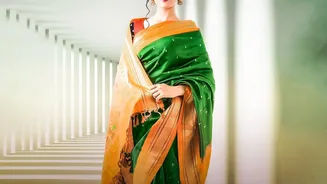
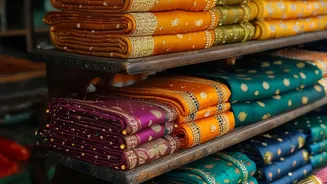
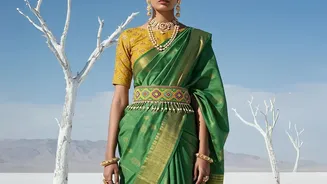
The most significant shift in handloom’s recent history is its move from the ceremonial to the everyday. For years, beautiful Kanjivarams, Banarasis, and Paithanis were synonymous with grand occasions — heirlooms to be preserved rather than worn. That
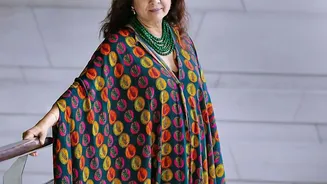
perception is rapidly changing. Today, the same rich textile traditions are being reimagined for the office, the cafe, and the casual weekend outing. Designers and brands are creating lightweight, breathable versions of traditional fabrics, making them practical for India's climate and modern lifestyles. Think of a crisp linen sari for a work meeting, a soft Chanderi dress for brunch, or a smart Khadi jacket thrown over a simple t-shirt. The permission to wear these fabrics daily has been granted, not by a fashion magazine, but by a collective shift in how we view our heritage.
The Rise of the Conscious Wardrobe
This revival is not happening in a vacuum. It is powerfully driven by a global movement towards conscious consumerism and sustainability. As awareness grows about the environmental and ethical toll of fast fashion, consumers, particularly younger generations, are seeking alternatives that offer both style and substance. Handloom fits this need perfectly. Woven manually, the process uses minimal electricity and has a significantly lower carbon footprint than power looms. Many artisans use natural dyes, reducing chemical pollution. More importantly, purchasing handloom directly supports the livelihoods of millions of weavers and their families, preserving ancient skills that are otherwise at risk of disappearing. Choosing a handwoven garment has become an act of cultural preservation as much as a fashion choice.
Designers as Modern Storytellers
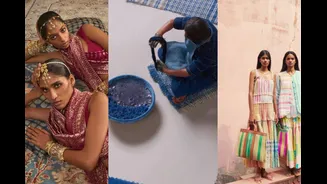
Indian designers are at the forefront of this movement, acting as translators between tradition and modernity. They are not simply using old textiles; they are innovating with them. Labels like Raw Mango and Ekaya have made weaves like Chanderi and Banarasi silk feel contemporary and desirable for a new generation. They are experimenting with unexpected motifs, contemporary colour palettes, and, most crucially, modern silhouettes. Instead of just saris and lehengas, heritage textiles are now masterfully crafted into tailored co-ord sets, chic shirt dresses, structured jackets, and even jumpsuits. This fusion approach makes the fabrics more accessible and demonstrates their incredible versatility, proving that a centuries-old weave can feel perfectly at home in a 21st-century wardrobe.
Styling Heritage for Today
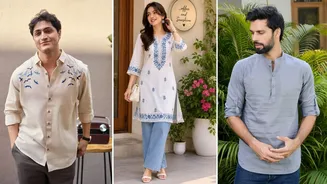
So, how does one wear handloom without looking like they are heading to a wedding? The key is balance and fusion. The easiest way to start is by incorporating one handloom piece into your existing wardrobe. Pair a handwoven Ikat kurta with your favourite pair of jeans, or team a simple handloom shirt with tailored trousers for a sharp, modern look. Accessories play a crucial role. For an everyday look, swap heavy traditional jewellery for minimalist pieces, and trade embroidered bags for a simple, structured tote. The idea is to let the textile be the hero. A simple, well-cut garment in a beautiful handwoven fabric needs very little embellishment to make a powerful statement. It's about celebrating the texture, the slight imperfections, and the story woven into every thread.