

The Mistake We All Make
It’s a familiar kitchen scenario. You’ve cooked a large batch of curry or a hearty stew. For the next few days, whenever you’re hungry, you pull the entire container from the fridge, heat it, serve yourself a portion, and return the rest to cool. While
this seems efficient, you are repeatedly putting the food through a process that degrades its quality and, more importantly, can make it unsafe to eat. Food safety experts generally advise that leftovers should only be reheated once. Each cycle of heating and cooling creates new opportunities for bacteria to grow, turning your convenient meal into a potential health risk.
The Science of the 'Danger Zone'
The primary reason to avoid reheating the whole pot is food safety. There is a specific temperature range, known as the "danger zone," where bacteria multiply with alarming speed. This zone is between 4°C and 60°C. When you take your large container of food out of the cold fridge, it begins to warm up. As you heat it, it passes through the danger zone. After you serve your portion and put the container back, it slowly cools down, passing through the danger zone again. Bacteria can double in number in as little as 20 minutes within this temperature range. Repeating this cycle increases the risk of harmful bacteria like Salmonella, E. coli, or Staphylococcus aureus growing to dangerous levels. Some bacteria can even produce heat-resistant toxins that won't be destroyed by the next reheating.
Protecting Taste and Texture
Beyond the safety concerns, repeatedly reheating food takes a major toll on its quality. Each trip to the microwave or stove breaks down the food's cellular structure. This is why that once-perfect pasta becomes mushy, chicken turns rubbery and dry, and crisp vegetables become limp and unappetising. The heat also diminishes the nutritional value of your meal, particularly heat-sensitive nutrients like Vitamin C and B vitamins. Delicate aromatic compounds from herbs and spices can also escape during reheating, leaving your meal tasting flat compared to when it was freshly made. By only heating the portion you plan to eat, you preserve the integrity of the remaining leftovers.
The Smart and Safe Method
The correct approach is simple and requires just a small change in habit. Instead of taking out the entire container, scoop the portion you intend to eat into a separate bowl or pan. Place the main container immediately back into the refrigerator to keep it below 4°C. Then, reheat your individual serving until it is steaming hot throughout, reaching an internal temperature of at least 74°C (165°F) to kill any potential bacteria. Using a food thermometer is the most reliable way to ensure it has reached a safe temperature. This method ensures the bulk of your leftovers only goes through one cooling cycle and remains safer and tastier for your next meal.
Best Practices for Better Leftovers
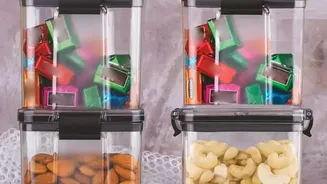
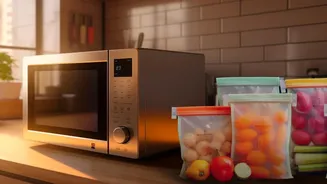
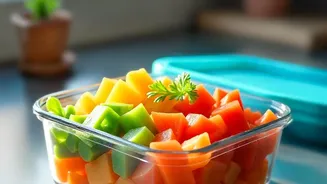
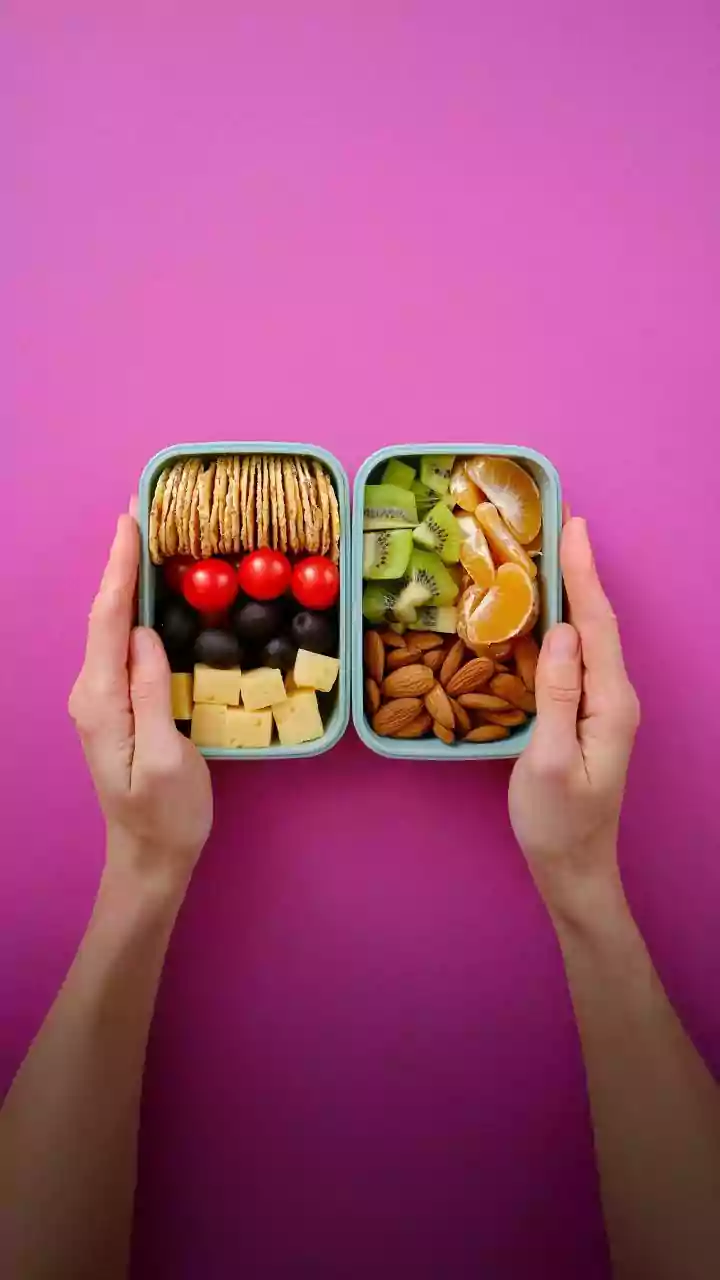
To make this process even easier, consider how you store your food from the beginning. Instead of using one large container, divide leftovers into single-serving portions before you even put them in the fridge. This way, you can just grab one portion and heat it without disturbing the rest. Use shallow, airtight containers, as they allow food to cool down more quickly, spending less time in the temperature danger zone. Always refrigerate leftovers within two hours of cooking. For foods like rice and pasta, which are at higher risk for bacterial growth, this careful handling is especially important. Following these steps ensures your leftovers remain delicious and safe from the first serving to the last.