





The 30-Second Hook
The revival is happening in the most 21st-century of places: the endlessly scrolling feeds of social media. Platforms like Instagram Reels and YouTube Shorts have become powerful tools for discovery. Artists are packaging complex ragas and soulful ghazals
into bite-sized, visually engaging clips that capture the attention of younger audiences. This isn't about simplifying the art form, but about creating curiosity. A 30-second reel showcasing a powerful vocal run or an intricate tabla pattern can act as a gateway, encouraging listeners to explore the full piece. Data shows that listening to Indian classical music on platforms like Spotify has surged, with a huge portion of that growth driven by listeners under 25. By presenting authentic music in a concise format, artists are building a bridge for Gen Z to cross into the deeper world of classical traditions.
From Screen to Stage
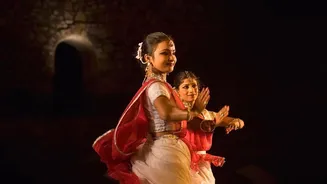
This digital discovery is translating into real-world attendance. The curiosity sparked online is driving young people to seek out the immersive experience of live music. Intimate gatherings known as 'baithaks' or 'mehfils' are making a major comeback, especially in urban centers. These events offer a stark contrast to sprawling, impersonal concert halls, creating a close connection between the artist and the audience. Organizers note a significant increase in attendees under 30, many of whom come alone, driven by a genuine desire to connect with the music. This trend signifies a desire for more mindful, authentic experiences in a world of digital distractions. The journey from a viral reel to a live baithak shows a deepening engagement, proving the revival is more than just a fleeting online trend.
The New Torchbearers
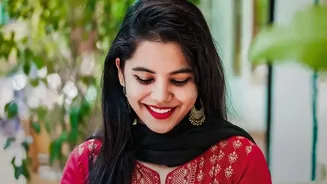
This movement is led by a new generation of artists who are both masters of their craft and savvy digital natives. Musicians like vocalist Maithili Thakur and Carnatic fusion artist Mahesh Raghvan have become symbols of this revival, blending traditional purity with modern expression. They and others connect with fans through Instagram Live sessions, where they not only perform but also explain the nuances of the music, demystifying it for new listeners. Many of these young torchbearers are mixing classical forms with contemporary genres like jazz or electronic music, creating innovative fusion projects that attract a wider audience without losing the traditional roots. They are proving that Indian classical music is not a static museum piece but a living, evolving tradition.
An Enduring Legacy
What is driving this resurgence? For many young Indians, it's about connecting with their cultural roots and finding an identity in a globalized world. The paradox of our hyper-connected age is a growing appreciation for heritage. The emotional depth, intricate melodies, and storytelling inherent in ghazals and thumris offer a profound alternative to mainstream pop. While some veterans worry that fusion and short formats might dilute the purity of the art, many argue that the form was always built to evolve. The late Jagjit Singh, who is credited with modernizing the ghazal by using simpler poetry and Western instruments, remains an inspiration for today's artists. This new wave isn't about replacing the old masters but ensuring their legacy thrives. By adapting the presentation for a new era, these young artists and listeners are ensuring that the flame of Indian classical music burns brighter than ever.