



Why Quarantine is Non-Negotiable
Think of quarantining as biosecurity for your windowsill. Many common houseplant pests, like spider mites, mealybugs, and thrips, are experts at hiding. Their eggs are often microscopic or hidden in soil, meaning a plant that looks perfectly healthy at the
store can be harbouring a future infestation. These pests can spread quickly to your other plants, turning a small problem into a collection-wide disaster. Similarly, fungal and bacterial diseases can be present without showing immediate symptoms. A dedicated quarantine period gives these hidden issues time to reveal themselves, allowing you to treat one plant instead of twenty.
Setting Up Your Quarantine Zone
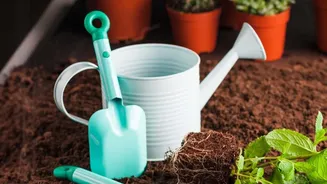
The key to effective quarantine is physical separation. Ideally, place your new plant in a completely different room from your existing collection for two to four weeks. A bathroom, laundry room, or spare bedroom works well. If a separate room isn't possible, create as much distance as you can—remember that some pests, like fungus gnats, can fly. A spot on a separate shelf in the same room is better than nothing, but it's not a true quarantine. Ensure the quarantine spot still provides the appropriate light for your new plant; isolation shouldn't mean total darkness, which can cause additional stress. Never use the same watering can for your quarantined plant and your main collection without thoroughly cleaning it first.
The First Inspection: Leaf and Stem Check
Before you even place the plant in its quarantine spot, give it a thorough once-over. Using good light and even a magnifying glass if you have one, inspect every part of the plant. Check the undersides of leaves, where pests like spider mites and scale insects often hide. Look for fine webbing in the crooks of stems and leaves (a sign of spider mites), white cottony fluff (mealybugs), or small brown bumps that can be scraped off (scale). Also, look for any discoloration, silvering streaks, or mysterious black dots on the leaves, which can be signs of thrips. Don't forget to check where leaves join the stem—a popular hiding spot for many pests.
The Deeper Dive: Soil and Pot Inspection
Pests don't just live on leaves. Gently slide the plant out of its nursery pot to inspect the soil and roots. Check the soil surface for fungus gnat larvae, which look like tiny white worms. Are there adult gnats flying up when you disturb the soil? Examine the roots themselves. Healthy roots are typically firm and white or light-colored. Black, brown, or mushy roots are a sign of root rot, often caused by overwatering. Also inspect the nursery pot, inside and out, for any lingering pests or eggs. If the soil smells foul or sour, it could indicate it has been waterlogged, creating a breeding ground for problems.
The Waiting Game: A Four-Week Plan
The ideal quarantine period is between two and six weeks. A shorter period of two weeks might catch fast-breeding pests like spider mites, but a longer four-week quarantine is much safer for catching pests with longer life cycles, like mealybugs and scale. During this time, inspect the plant thoroughly at least once a week. Check for any changes, no matter how small. Some plant owners choose to proactively treat new plants with an insecticidal soap spray or neem oil solution at the beginning of quarantine as a preventative measure. If you do spot pests at any point, treat them immediately and reset the quarantine clock. The plant should be pest-free for at least two full weeks before it's considered safe.
Graduation Day: Joining the Collection
Once your new plant has successfully completed its pest-free quarantine, it's ready to graduate. Before moving it to its final spot, it's a good idea to give the leaves a gentle wipe-down with a damp cloth to remove any dust or potential leftover residue from treatments. When you introduce it to your main collection, don't just shove it in the middle. Place it near its new neighbours for a few days to a week to ensure you haven't missed anything and to let it acclimate. Continue to keep a close eye on it for another week or two. If all remains clear, you can finally relax and enjoy your healthy new addition.