





From Sightseeing to Soul-Searching
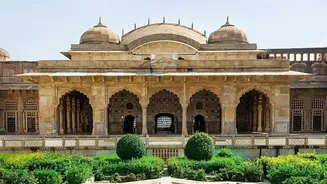
For decades, travel often meant covering as many landmarks as possible in a limited time. Today, the focus is shifting from 'what to see' to 'how to feel'. A significant number of Indian travellers now prioritise relaxation and mental well-being over a packed
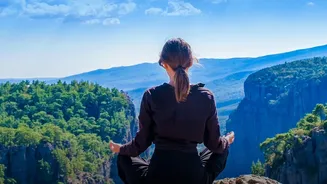
itinerary. According to one 2026 report, 67% of Indian respondents cited relaxation as their primary reason for travel. This marks a fundamental change in mindset, driven by the pressures of modern urban life, workplace burnout, and a collective desire to disconnect from digital overload. Instead of rushing through crowded tourist spots, people are actively choosing destinations that offer peace, quiet, and a chance for introspection.
The Rise of Wellness and Reflection
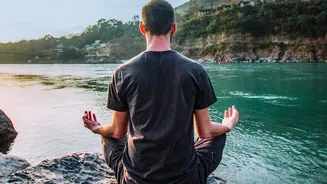
India's deep-rooted wellness traditions are finding a new, modern audience. Yoga retreats in Rishikesh, Ayurvedic healing centres in Kerala, and meditation hubs in Dharamshala are no longer just for international visitors. A growing number of Indians are booking trips specifically to manage stress, improve their lifestyle, or simply recharge. Recent data shows a strong interest in experiences that calm the body and reset the nervous system. This isn't necessarily about spirituality alone; it's about finding balance. The goal is to return from a holiday feeling genuinely restored, not more exhausted. This trend has positioned wellness as a primary reason for travel, not just an add-on.
Answering Nature's Call
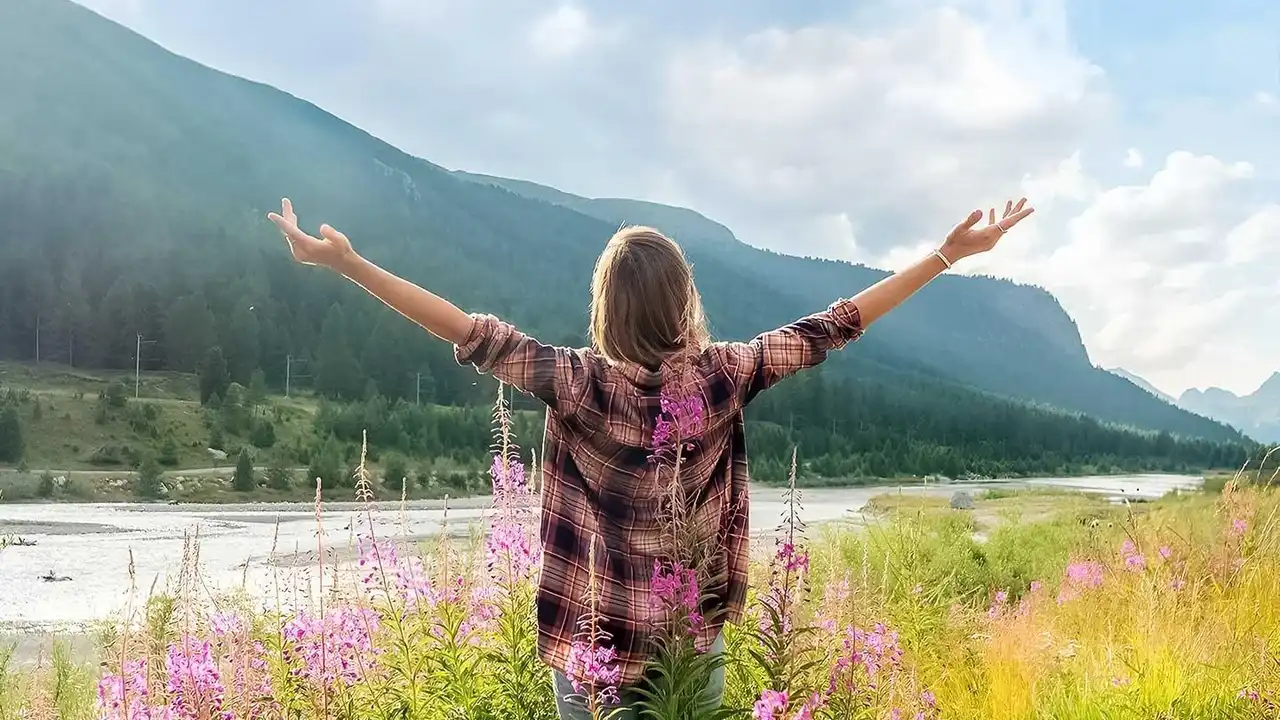
The pull of the great outdoors has never been stronger. Travellers are increasingly seeking out serene landscapes, from the Himalayan foothills to the tranquil backwaters of the south. This desire is reflected in the growing popularity of ecotourism, trekking, and stays in nature-focused properties. The shift is partly a reaction to congested city life, with travellers craving open spaces and fresh air. It’s also linked to a rising awareness of sustainability. Many now prefer experiences that are eco-friendly and contribute positively to the environment. Destinations that promote sustainable practices, such as Sikkim, India’s first fully organic state, are gaining traction among conscious travellers.
Living Like a Local
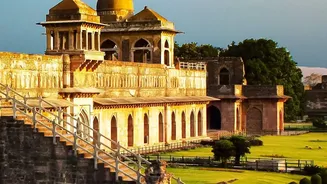
Authenticity has become the new luxury. The modern Indian traveller is increasingly curious about life beyond the hotel lobby. There is a burgeoning demand for 'experiential travel'—journeys that offer a deep dive into the local culture. This can take many forms: staying in a family-run homestay, taking a cooking class to learn regional recipes, exploring village markets, or learning a traditional craft from local artisans. According to recent surveys, an overwhelming majority of Indian travellers—as high as 95%—are actively seeking cultural exchanges and want to support small, local businesses. This approach fosters a more meaningful connection with the destination and its people, turning a simple vacation into a memorable life experience.
What is Driving This Shift?
Several factors are fuelling this evolution in travel preferences. The post-pandemic world has heightened awareness around mental health and work-life balance, making restorative travel more appealing. Rising disposable incomes, especially among younger generations, have enabled more people to prioritise meaningful experiences over material possessions. Furthermore, the rise of remote work has introduced concepts like 'workations' and 'slow travel', allowing for longer, more immersive stays in a single location. This deliberate, slower pace of travel allows for deeper exploration, self-reflection, and a more sustainable way to see the world.