




The Effortless Charm of the Fishtail
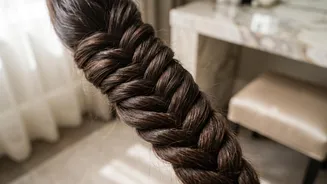
The fishtail braid, sometimes called a herringbone braid, has a reputation for looking complex, but it's one of the simplest weaving techniques to master. Unlike a classic three-strand or French braid, the fishtail uses only two main sections of hair.
You simply pass small pieces of hair from the outer edge of one section to the inner edge of the other, creating an intricate, woven pattern that looks effortlessly chic. The beauty of this braid lies in its structure; the small, interlocking sections create a secure plait that holds its shape remarkably well. This makes it a fantastic 'protective style' that minimizes daily manipulation, friction, and potential breakage, all while looking polished for any occasion.
Prep Your Hair for an All-Day Hold
The secret to a long-lasting fishtail braid begins before you even start weaving. While you can braid on clean hair, many stylists find that hair on its second day has a bit more natural grip. If your hair is freshly washed, soft, or silky, you can easily add the texture it needs. A light mist of a dry texturizing spray or a bit of dry shampoo at the roots and mid-lengths will give the strands enough grit to prevent them from slipping. Before starting, thoroughly brush your hair to remove any knots or tangles, as these will disrupt the smooth flow of the braid. All you really need is a brush, a small hair elastic to secure the end, and perhaps a light-hold hairspray for the finishing touch.
A Step-by-Step Guide to the Classic Fishtail
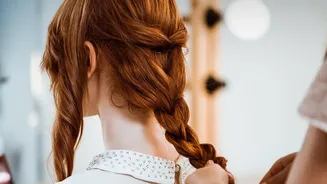
Ready to create the perfect fishtail? It's easier than it looks. First, divide your hair into two large, equal sections. You can do this at the nape of your neck for a low braid or gather your hair into a ponytail first for a higher, more polished look. Hold one section in each hand. Take a thin strand of hair—about a quarter to a half-inch wide—from the outer edge of the right section. Cross this small piece over the top of the right section and add it to the inside of the left section. Now, repeat the process on the other side: take a thin strand from the outer edge of the left section, cross it over, and merge it with the right section. Continue this alternating pattern all the way down the length of your hair, keeping the tension even as you go. The smaller the pieces you cross over, the more detailed and intricate your braid will look.
Tips for Medium-Length or Layered Hair
Fishtail braids aren't just for super long hair; they work beautifully on medium lengths, too. The key is managing shorter layers that might try to pop out. For medium-length hair, it often helps to start with a French or Dutch fishtail technique at the crown, which involves adding small bits of hair from the scalp into each section as you work your way down. This helps anchor the braid and incorporate shorter pieces from the start. If you’re doing a classic fishtail and notice layers poking out, a few discreetly placed bobby pins can tuck them back in. Another great trick for layered hair is to start with a ponytail; this gathers all the hair together, making it easier to control as you braid.
Lock In Your Look Without Heavy Pins
The best part about a well-done fishtail is its self-securing nature, but a few final touches can guarantee it won't budge. Once you reach the end, secure the braid with a small, clear elastic. To add volume and create that popular 'boho' look, gently pull on the outer edges of the braid. This technique, known as 'pancaking', not only makes the braid appear fuller but can also help tighten the weave. Start at the bottom and work your way up, pulling each section slightly wider. Once you're happy with the shape, a light mist of flexible-hold hairspray can tame any remaining flyaways and provide extra insurance for all-day wear without making your hair feel stiff or crunchy.