




The End of an Era
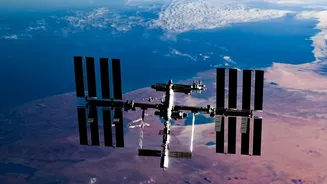
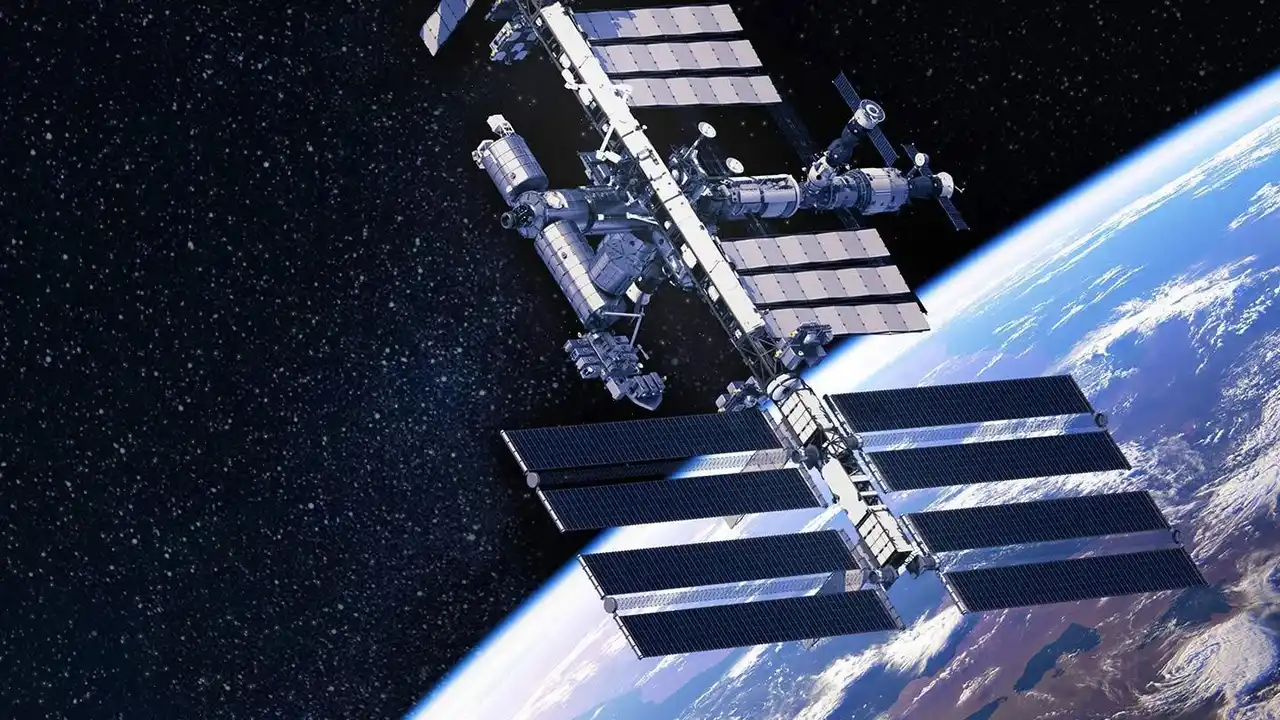
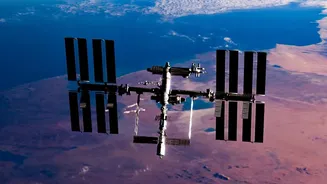
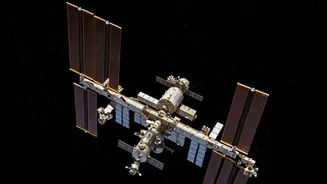
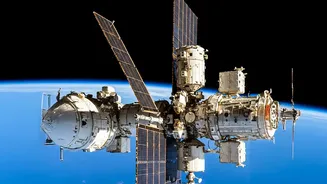
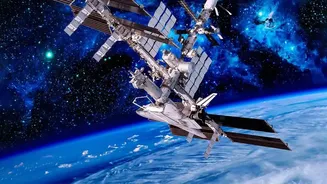
The International Space Station is a marvel of engineering and international cooperation, having been continuously occupied since November 2000. However, after three decades of service, the orbiting laboratory is showing its age. Key modules launched
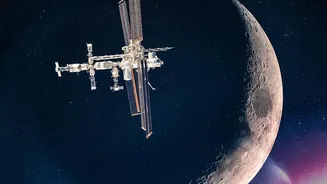
in 1998 are well past their original design life, and the structure has endured years of stress from micrometeoroids and temperature cycles, leading to recurring issues like small air leaks. Faced with rising maintenance costs and the desire to focus resources on deep-space missions like the Artemis program to the Moon and Mars, NASA and its partners plan to deorbit the ISS around 2030. The procedure will involve a controlled reentry, guiding the massive structure to a remote area in the South Pacific Ocean known as Point Nemo.
NASA's New Role: From Owner to Tenant
Instead of building a direct successor, NASA is spearheading a fundamental change in how humanity operates in low-Earth orbit (LEO). Through its Commercial LEO Destinations (CLD) program, the agency is fostering a private marketplace for space stations. The goal is for NASA to become just one of many customers, renting time and lab space from commercially owned and operated outposts. This model mirrors the successful transition NASA made with cargo and crew transport, where companies like SpaceX now handle routine flights to the ISS. By shifting from owner to anchor tenant, NASA aims to stimulate a robust LEO economy while freeing up its budget for more ambitious exploration goals beyond Earth's immediate vicinity.
Meet the New Orbital Neighbours
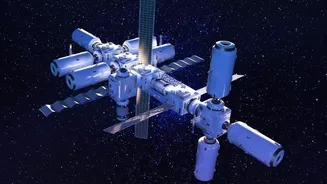
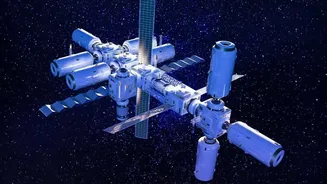
Several companies are leading the charge to build these next-generation orbital platforms. Axiom Space is taking a unique approach by first attaching its modules to the ISS. Its first habitat module is slated for launch around 2027 or 2028, with more to follow, eventually detaching to form the independent Axiom Station before the ISS is retired. Another major player is Starlab Space, a joint venture between US-based Voyager Space and European aerospace giant Airbus. They are developing a free-flying station designed to launch in a single flight, focusing on science and research, with a target launch around 2029. Other ventures include Vast's Haven-1, a smaller, single-module station targeting a 2027 launch, and the ambitious Orbital Reef concept from Blue Origin and Sierra Space, envisioned as a "mixed-use business park" in space for research, tourism, and industry.
A New Business Model for Space
These new stations won't just be for government astronauts and microgravity experiments. Their business models rely on a diverse range of customers. In addition to serving space agencies like NASA, they plan to offer services for in-space manufacturing, pharmaceutical research, technology development, and even space tourism and entertainment. Axiom Space is already flying private astronauts on missions to the ISS. Orbital Reef is explicitly designed as a commercial hub to lower the barrier to entry for businesses wanting to operate in space. This diversification is key to creating a sustainable, self-sufficient economy in orbit that doesn't depend solely on government funding, opening up LEO to a wider array of users than ever before.
A Race Against the Clock
The primary challenge is the tight timeline. The ISS is set to be deorbited around 2030, and any delay in getting these new commercial stations operational could create a gap in America's ability to maintain a continuous human presence in LEO. While some companies like Vast and Axiom have aggressive launch targets for their first modules, building and certifying a fully functional, crew-rated space station is an immense technical and financial undertaking. In early 2026, NASA even briefly altered its strategy, citing concerns that the commercial business case was not yet solid enough, before reaffirming its support for free-flying private stations. Successfully managing this transition without an orbital gap remains a critical focus for both NASA and its commercial partners.