


The Endless Scroll of Appetite
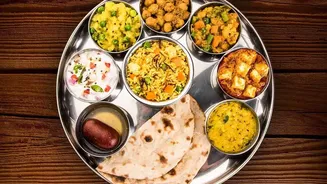
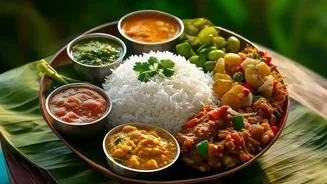
The daily ritual for millions of Indians involves scrolling through a vibrant, endless buffet of food content. Instagram Reels, YouTube Shorts, and other platforms have become dominated by the sizzle of mustard seeds, the vibrant colours of a perfectly
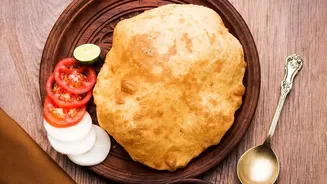
plated thali, and the satisfying fold of a hot paratha. This digital food boom presents everything from cinematic street food stories to quiet, aesthetic home cooking. While a lot of content focuses on a familiar rotation of popular dishes or shocking, oversized novelty foods designed for virality, a more significant trend is quietly taking root. This is a movement away from the mainstream and into the specific, the local, and the previously overlooked corners of India’s kitchens.
Beyond Butter Chicken and Biryani
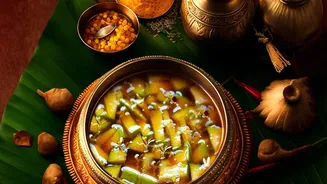
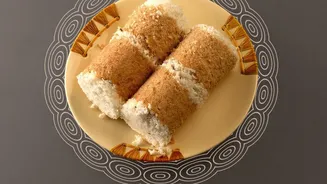
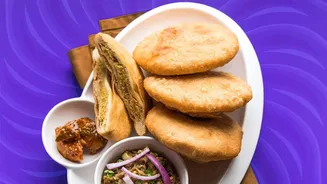
For decades, the perception of 'Indian food' on a national and global stage was limited to a handful of restaurant staples. Social media is rapidly changing that narrative. Creators are now finding national audiences for dishes that were once known only within their own communities. Suddenly, a feed in Mumbai might feature the making of 'Aloo Ke Gutke' from Uttarakhand, or Manipur’s nutty 'Chak-Hao Kheer'. These are not just recipes; they are windows into the local produce, climate, and cultural fabric of a place. This shift is being driven by a growing appetite for authenticity and a renewed pride in regional identity. Viewers are no longer just looking for something new to eat; they want food with context, memory, and meaning.
From Eyeballs to Education
A short video can do more than just make a dish look appealing; it can offer a genuine lesson. When a creator from Assam explains the specific herbs used in their fish curry or a home cook from Gujarat shares the story behind a festive sweet, they are doing more than sharing a recipe—they are preserving and transmitting cultural knowledge. This form of digital storytelling helps viewers learn the local names of dishes, understand the significance of certain ingredients, and appreciate the rituals associated with food. Even foreign food influencers are contributing, bringing a fresh perspective that encourages Indian audiences to rediscover their own diverse culinary landscape. The comment section of these videos often turns into a space for cultural exchange, where people share their own variations of a recipe or express delight at discovering a new facet of their own country.
The Risk of a Half-Baked Story
However, this social-media-driven culinary education is not without its challenges. The very nature of short-form content means there's a risk of oversimplification. A 30-second reel can introduce a dish, but it can struggle to provide deep context or respect for its origins. The pressure for content to be visually appealing and 'Instagrammable' can lead to the distortion of traditional recipes, prioritising aesthetics over authenticity. There's a fine line between appreciation and appropriation, and when cultural dishes are presented without their context, they risk becoming just another fleeting trend. This can lead to the 'commodification' of culture, where sacred or traditional foods are stripped of their meaning for mass consumption.
A Recipe for Deeper Connection
Despite the risks, the overall impact of this social-media food moment is overwhelmingly positive. It is a powerful force for democratising culinary knowledge, taking it out of the hands of a few celebrity chefs and giving a platform to the home cooks and local experts who are the true custodians of India's food heritage. This trend is helping to preserve recipes and culinary techniques that might otherwise be lost. For the audience, it fosters a curiosity that goes beyond the screen, encouraging food-based travel and a greater appreciation for the diversity within India. It’s a reminder that every dish has a story, and by listening to these stories, we can foster a richer, more nuanced understanding of the many cultures that make up our nation.