
Choose Your Trek Wisely
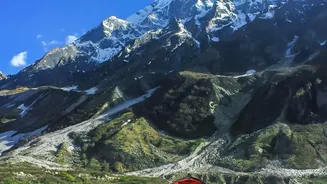
August is peak monsoon in Uttarakhand. While the mountains are stunningly green with gushing waterfalls, it’s also a time of significant risk. Many popular high-altitude routes like Har Ki Dun, Kuari Pass, and Kedarkantha are not recommended due to treacherous,
slippery trails and the high risk of landslides. Instead, opt for treks known to be relatively safer during the monsoon, such as the Valley of Flowers, which is at its peak bloom, or shorter treks like Nag Tibba and Chopta-Tungnath. Always check the current road and trail conditions with local authorities or reliable trek operators before you even begin your journey from home.
Plan for Road Travel Disruptions
Getting to the trailhead can be a challenge in itself. The Independence Day weekend often coincides with the Kanwar Yatra, leading to major traffic restrictions on highways leading to Uttarakhand, particularly the Delhi-Haridwar route. For 2026, severe restrictions and even complete closures are expected on main highways between August 4th and 12th. Plan to travel before or after these peak dates, or consider alternative routes or flying into Dehradun's Jolly Grant Airport to bypass the worst of the traffic. Always add buffer days to your itinerary for potential road blockages due to landslides, which are common on hill roads during heavy rains.
Acclimatise to Avoid Mountain Sickness
Acute Mountain Sickness (AMS) is a serious risk on any high-altitude trek and can affect anyone regardless of age or fitness. It is caused by ascending too quickly to altitudes where oxygen levels are lower. Symptoms include headache, nausea, dizziness, loss of appetite, and fatigue. The golden rule is to ascend gradually. If possible, don't increase your sleeping altitude by more than 300-500 meters (about 1,000-1,640 feet) per day above 3,000 meters. The principle of "climb high, sleep low" is crucial—hike to a higher point during the day but return to a lower altitude to sleep. If symptoms appear, stop ascending immediately. If they don't improve or worsen, descending is the only cure.
Pack for Monsoon and Altitude
Your packing list for a monsoon trek is different. Waterproofing is everything. Carry a high-quality waterproof jacket and trousers, not just a poncho. A rain cover for your backpack is essential to keep your clothes and gear dry. Pack quick-drying synthetic clothes and avoid cotton, which stays wet and cold. Sturdy trekking shoes with excellent grip are non-negotiable for slippery, muddy trails. Also pack warm layers, as temperatures can drop significantly when it rains or at night. Your first-aid kit should be comprehensive, including medication for common ailments, blister care, and any personal prescriptions. Consulting a doctor about preventive medicine for AMS, like acetazolamide, is also a wise step.
On the Trail: Safety First
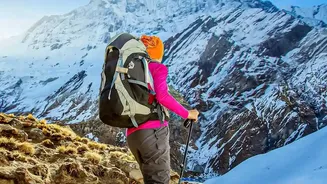
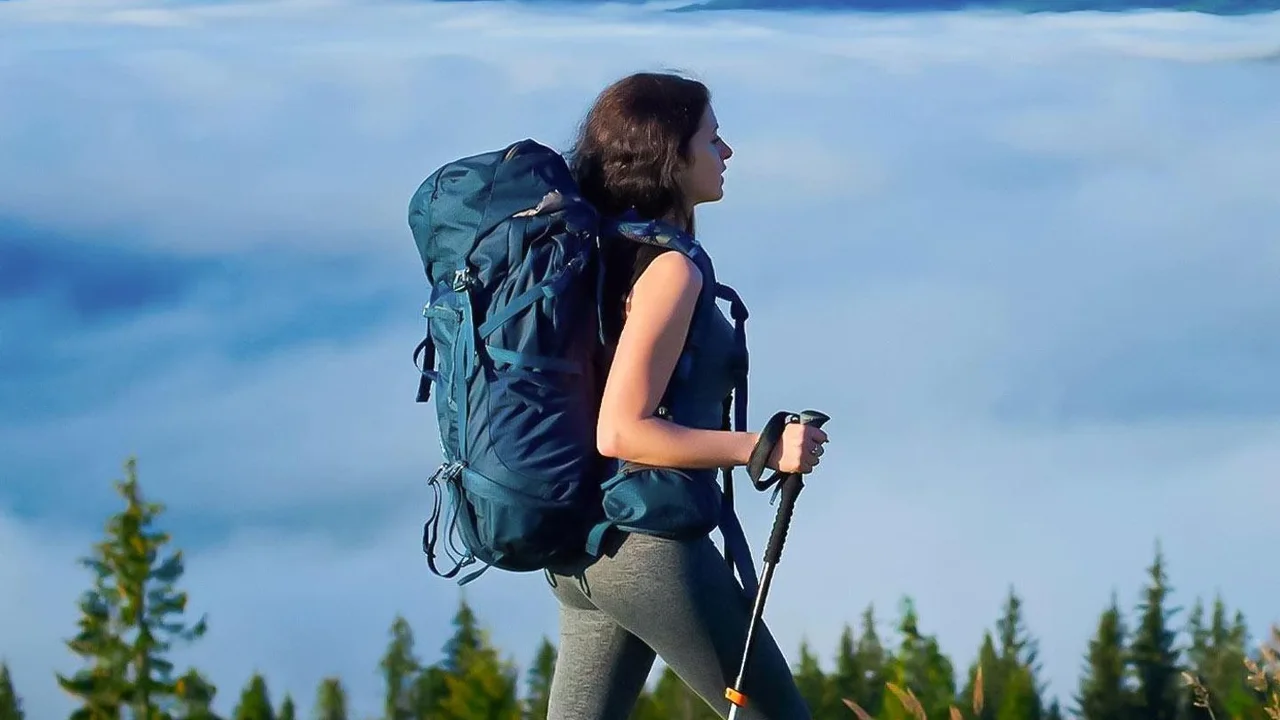
Monsoon trails require constant attention. Paths can be extremely slippery, and small streams can swell into powerful torrents after rain. Always trek with an experienced local guide who understands the terrain and weather patterns. Use trekking poles for better stability and to gauge the depth of muddy patches or water crossings. Be wary of landslide-prone zones and never take shortcuts. Stay hydrated by drinking plenty of water, but ensure it's purified. Finally, let someone back home know your detailed itinerary and expected return date, and carry a fully charged power bank for your phone, even though connectivity will be sparse.