



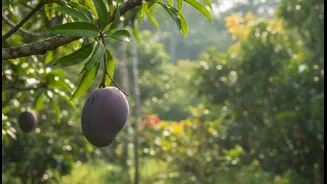


More Than Just the King of Fruits
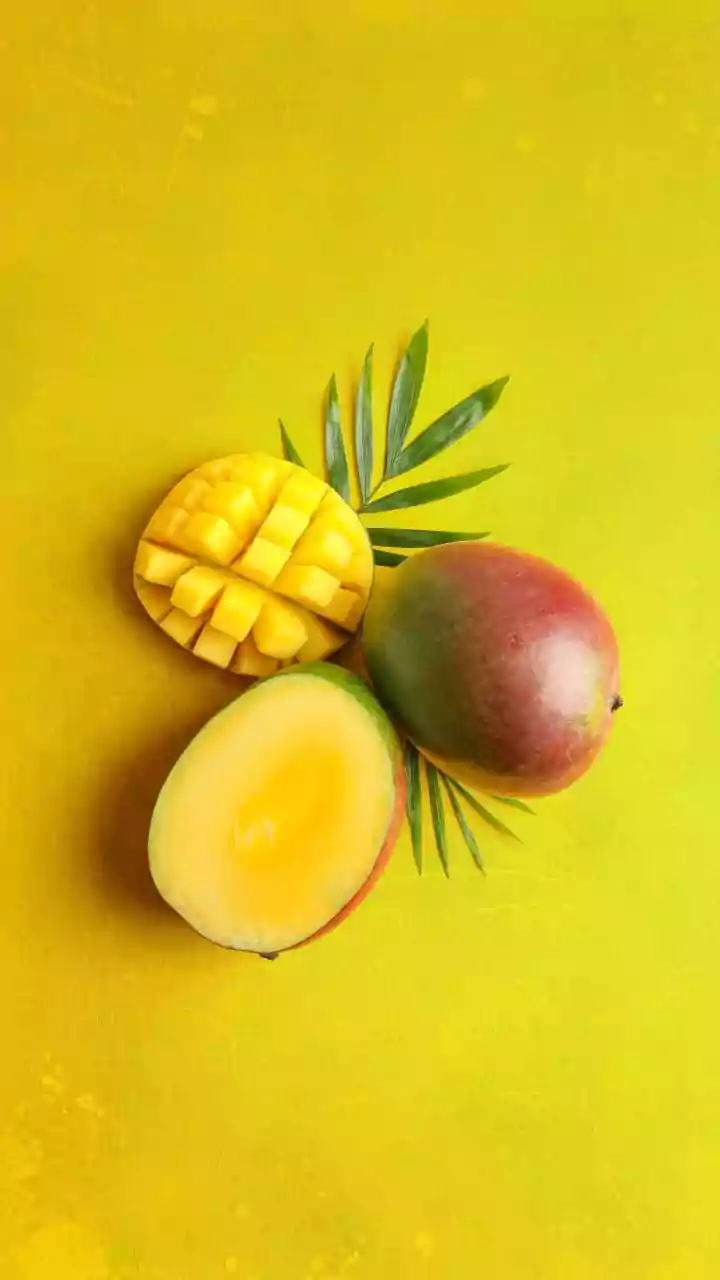
The mango is not merely a fruit in India; it's a cultural icon, a symbol of summer, and an integral part of the nation's agricultural heritage. From the luscious Alphonso to the sweet Kesar and the tangy Langra, the love for mangoes unites people across
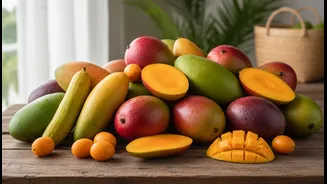
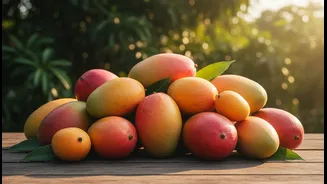
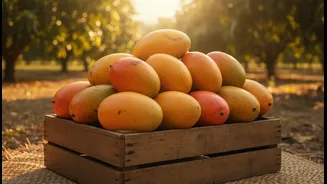
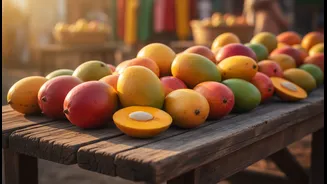
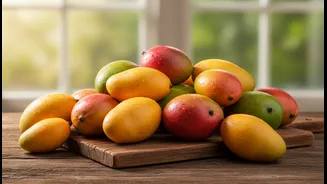
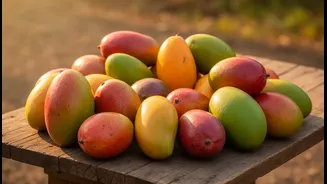
diverse regions. This annual obsession, however, often revolves around a few commercially dominant varieties—the ones that travel well and have widespread name recognition. While delicious, these popular mangoes represent only a tiny fraction of India's staggering mango wealth. Hundreds of lesser-known, traditional varieties exist, each with a unique flavour profile, history, and connection to its local environment.
The Silent Loss of Diversity
Across India, there is a rich, untapped genetic pool of mangoes, with countless cultivars developed and nurtured by farming communities over thousands of years. However, the focus on a few commercially viable types has led to the neglect of many traditional varieties. This shift poses a significant threat, as many of these heirloom cultivars are on the path to extinction. This isn't just a loss for food lovers; it's a critical loss of genetic diversity. These rare varieties are a living library of traits—resistance to local pests, tolerance to drought, and unique nutritional profiles—that could be vital for developing the climate-resilient crops of the future. When a rare cultivar disappears, so does the accumulated knowledge of the farmers who cultivated it.
Enter the Mango Festival
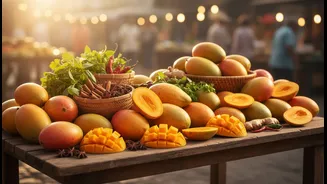
This is where mango festivals play a crucial, often overlooked, role. Far from being simple food fairs, these events are vibrant platforms for conservation and cultural preservation. Festivals in cities like Delhi, Lucknow, and Bengaluru, as well as those in smaller towns, provide a space for farmers to showcase and sell unique varieties that would otherwise never reach a wider market. For farmers who act as custodians of these rare trees, many of which are from orchards inherited over generations, festivals offer a chance to earn a premium price and gain recognition for their conservation efforts. They transform the abstract concept of biodiversity into a tangible, delicious experience.
A Bridge Between Farm and Table
Mango festivals bridge the gap between urban consumers and rural producers. They offer visitors a rare opportunity to taste dozens of varieties, from the fabled Samar-e-Behisht of Lucknow to the tiny, flavour-packed Kalapadi from South India. These events often include competitions, cooking demonstrations, and cultural performances, creating a celebratory atmosphere that encourages curiosity and learning. By interacting directly with growers, consumers can hear the stories behind the fruit, understand the challenges of sustainable farming, and appreciate the immense effort that goes into preserving this heritage. This direct connection fosters a deeper respect for food and the people who grow it.
Your Role in Conservation
Supporting these festivals is a direct contribution to the on-farm conservation of India's mango diversity. When consumers show interest in and are willing to pay for rare varieties, it creates a market incentive for farmers to continue growing them. It sends a clear message that there is value beyond the handful of mangoes that dominate supermarket shelves. These festivals educate the public, empower local growers, and help ensure that the incredible spectrum of mango tastes, textures, and aromas is not lost to future generations. They are, in essence, a celebration of the past and an investment in a more diverse and resilient agricultural future.