



Swap White Rice for Millets
White rice is a staple, but it's also a simple carbohydrate that can cause blood sugar spikes. Millets like jowar, bajra, ragi, and foxtail millet are complex carbohydrates with a lower glycemic index, making them ideal for sustained energy release. They
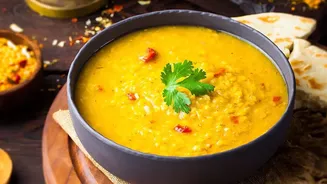
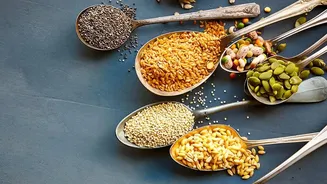
are packed with two to three times more dietary fibre than rice, which aids digestion and keeps you feeling full longer. Millets are also richer in essential minerals like iron, magnesium, and calcium, supporting everything from bone health to energy production. Making the switch can be as simple as preparing millet biryani or serving your favourite dal with a side of fluffy foxtail millet instead of rice.
Choose Ragi or Jowar Roti Over Plain Wheat
While whole wheat roti is a healthy choice, rotating it with other grains can enhance your nutrient intake. Ragi (finger millet) is a nutritional powerhouse, containing over ten times the calcium of wheat, which is crucial for bone health. Both ragi and jowar (sorghum) are gluten-free and have a higher fibre content compared to wheat, which can aid in weight management and improve digestive health. Their lower glycemic index also helps in better blood sugar control, making them excellent choices for a balanced diet.
Opt for Whole Wheat Parathas
The allure of a flaky maida (refined flour) paratha is undeniable, but it offers little nutritional value. Switching to 100% whole wheat (atta) parathas is a significant upgrade. Whole wheat flour retains the bran and germ, providing more fibre, B vitamins, and minerals. A whole wheat paratha offers sustained energy and promotes fullness, unlike its refined counterpart. For an even healthier version, stuff it with vegetables like methi or paneer and cook it with minimal oil.
Replace Fried Snacks with Roasted Makhana
When the 4 PM craving for something crunchy hits, it's easy to reach for a bag of chips or a hot samosa. A far healthier alternative is roasted makhana (fox nuts). Makhana is naturally low in fat, calories, and sodium, yet rich in protein and dietary fibre. Unlike deep-fried snacks, makhana can be dry-roasted or tossed in a teaspoon of ghee and seasoned with spices. This provides the satisfying crunch you crave without the unhealthy fats and empty calories, making it a heart-friendly and diabetic-friendly snack.
Snack on Nuts and Seeds Instead of Biscuits
Packaged biscuits, often enjoyed with tea, are typically high in refined flour, sugar, and unhealthy fats. A smarter, more nutrient-dense alternative is a handful of mixed nuts and seeds like almonds, walnuts, and pumpkin seeds. These are packed with healthy fats, protein, and fibre that keep you satiated. Other great options include roasted chana or activated peanuts, which are easy to digest and provide a good dose of protein.
Enrich Poha and Upma with More Vegetables
Poha and upma are classic Indian breakfast choices that are already quite healthy. You can elevate their nutritional profile significantly by simply adding more vegetables. Toss in a generous helping of green peas, chopped carrots, bell peppers, and onions. This not only adds colour and texture but also boosts the fibre, vitamin, and mineral content of your meal, keeping you fuller and more energised through the morning. For an extra fibre kick in upma, you can swap traditional semolina for broken wheat (dalia).
Try Moong Dal Chilla for a Protein-Packed Breakfast
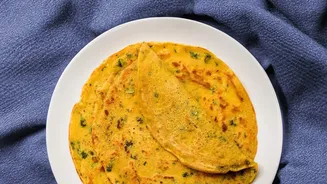
Instead of reaching for buttered toast, consider a moong dal chilla. This savoury pancake is made from a batter of soaked moong dal (split green gram) and is an excellent source of plant-based protein and fibre. It's naturally gluten-free, light on the stomach, and keeps you full without any heaviness. You can enjoy it plain with mint chutney or stuff it with grated paneer for an even more substantial and protein-rich start to your day.
Swap Refined Sugar for Jaggery in Moderation
Refined white sugar offers empty calories with no nutritional benefits. Jaggery (gur), an unrefined sugar, retains some vitamins and minerals like iron, potassium, and magnesium during its preparation. It is a complex carbohydrate, meaning it is digested more slowly than white sugar, preventing a rapid spike in blood sugar levels. While it is a healthier alternative, it's important to remember that jaggery is still a form of sugar and should be consumed in moderation.
Choose Healthier Cooking Oils
The type of oil you use can significantly impact the health quotient of your meal. Instead of relying on a single refined oil, it's better to use a variety of oils. For Indian cooking, cold-pressed mustard oil, groundnut oil, and coconut oil are excellent choices for their high smoke points and health benefits. Studies suggest mustard oil, with its favourable fatty acid profile, may reduce the risk of heart disease. Using different oils for different preparations ensures you get a wider range of beneficial fats.
Pick Steamed Snacks Over Fried Ones
Many traditional Indian snacks are deep-fried, making them high in unhealthy fats. A simple swap is to choose steamed options instead. For instance, opt for steamed dhokla instead of fried samosas or kachoris. Dhokla is made from a fermented batter of gram flour (besan), making it light and easy to digest. Similarly, steamed idlis are a fantastic low-calorie, oil-free breakfast or snack option that are packed with probiotics from fermentation.