









Cardio for Your Engine
Cardiovascular exercise, also known as aerobic exercise, is any activity that gets your heart rate and breathing up for an extended period. Think of brisk walking, cycling, swimming, or dancing. The primary problem this type of movement solves is keeping
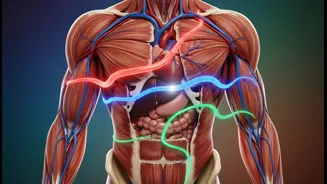
your heart, lungs, and circulatory system healthy and efficient. Regular cardio strengthens the heart muscle, allowing it to pump blood more effectively. This can lead to lower resting blood pressure and a reduced risk of heart disease, stroke, and type 2 diabetes. Beyond the heart, aerobic exercise is fantastic for managing weight, improving mood by releasing endorphins, boosting energy levels, and even enhancing brain health by increasing blood flow and potentially reducing the risk of dementia.
Strength Training for Structure and Metabolism
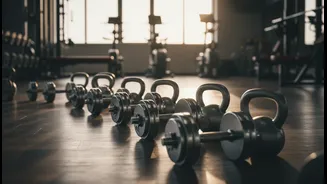
Strength or resistance training involves making your muscles work against a force, whether it's weights, resistance bands, or your own body weight. This type of exercise directly combats age-related muscle loss, a process that can slow metabolism and make you more vulnerable to injury. Building and maintaining muscle helps protect your joints, improves bone density, and can help prevent or manage conditions like osteoporosis and arthritis. A stronger body makes everyday activities like carrying groceries or climbing stairs feel easier. Furthermore, strength training is a powerful tool for improving body composition; it builds lean muscle mass which helps your body burn more calories, even at rest. It also has a significant positive impact on mental health, with studies showing it can reduce symptoms of depression and improve sleep quality.
Flexibility and Mobility for Range of Motion
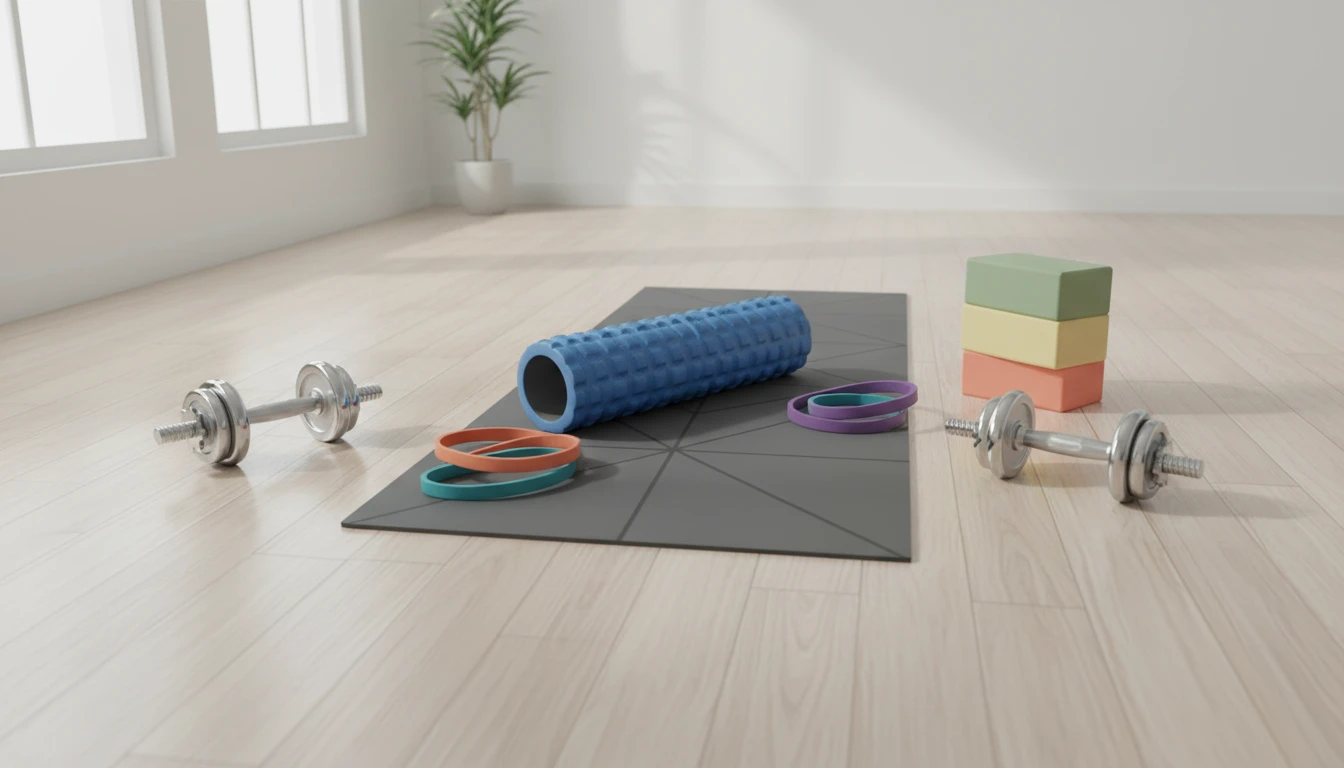
Flexibility exercises focus on stretching your muscles and tendons, while mobility work addresses the range of motion in your joints. Activities like yoga, tai chi, and dedicated stretching routines fall into this category. The main problems they solve are stiffness, poor posture, and a limited range of motion, which can increase the risk for pain, muscle damage, and falls. Regularly performing flexibility exercises helps keep your muscles limber and your joints moving freely. This not only prevents injury but also improves your performance in other physical activities and makes daily tasks, like bending down to tie your shoes, much easier. Activities like yoga are particularly beneficial as they combine stretching with relaxation and balance work.
Balance and Neuromotor Exercise for Coordination
Often overlooked, balance and neuromotor exercises are crucial for training the connection between your brain and your muscles. These movements challenge your stability, coordination, agility, and proprioception (your body's awareness of its position in space). Examples include standing on one foot, walking heel-to-toe, or engaging in activities like tai chi or dance that require you to perform both physical and cognitive tasks simultaneously. The primary problem this category solves is the decline in balance and coordination that can lead to an increased risk of falls, especially as we age. These exercises train the nervous system to control movement more effectively, improving your reaction time and stability. This makes you steadier on your feet and more resilient to surprises, enhancing safety in all your daily activities.