
The explosive flavours of roadside chaat and humble vada pav, once the exclusive domain of bustling street corners, are now appearing on the most unexpected of tables: fine dining restaurants. So, why is this happening now?
A Powerful Craving for Nostalgia
For many urban Indian diners,
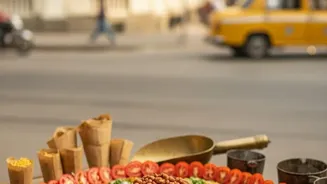
street food is not just a snack; it’s a powerful emotional connection to the past. It’s the taste of childhood, college days, and post-work rituals. Chefs are tapping into this deep well of nostalgia. When a dish like dahi bhalla or golgappa appears on a high-end menu, it does more than just satisfy hunger—it offers a comforting, shared memory. According to Chef Manish Mehrotra, a pioneer of modern Indian cuisine, street food creates a sense of nostalgia that he tries to uplift for a fine dining experience while preserving the original flavours. This emotional resonance turns a simple meal into a conversation piece, allowing diners to reconnect with their roots in a sophisticated setting. It’s the culinary equivalent of hearing a beloved old song remixed into a modern hit.
The Chef's Creative Playground
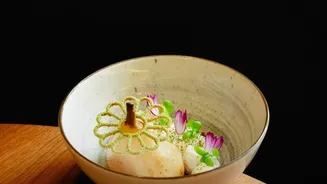
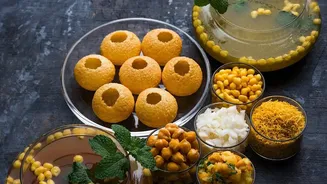
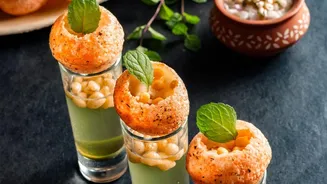
Top chefs see street food as a canvas for innovation. They aren't simply replicating these dishes; they are deconstructing and reimagining them with modern techniques and premium ingredients. Think of pani puri served with five different flavoured waters, sev puri featuring sea bass, or a vada pav made with a brioche bun and truffle-spiced potato filling. This process, sometimes called 'deconstruction', allows chefs to break a dish down to its core components and build it back up in a surprising new way. It's a creative challenge that allows them to showcase their technical skills while paying homage to a classic. This elevation of humble dishes demonstrates that Indian cuisine can be as technically refined and artistically presented as any other global gastronomy, like French or Japanese fine dining.
A Shift in Diner Expectations
Diners today, particularly younger generations, are more adventurous and curious than ever. They are moving beyond the standard butter chicken and naan that once defined Indian restaurant food globally. There is a growing appetite for authenticity and a desire to explore India's vast and diverse regional cuisines. This trend isn't just happening in India; it's a global phenomenon. Restaurants like Indian Accent in New Delhi, Masque in Mumbai, and Naar in Kasauli are gaining international acclaim for focusing on hyper-regional ingredients and forgotten culinary traditions. By incorporating street food, these establishments are offering a more honest and comprehensive story of Indian food, one that celebrates the country's rich culinary tapestry from the ground up.
The Allure of the 'Instagrammable' Dish
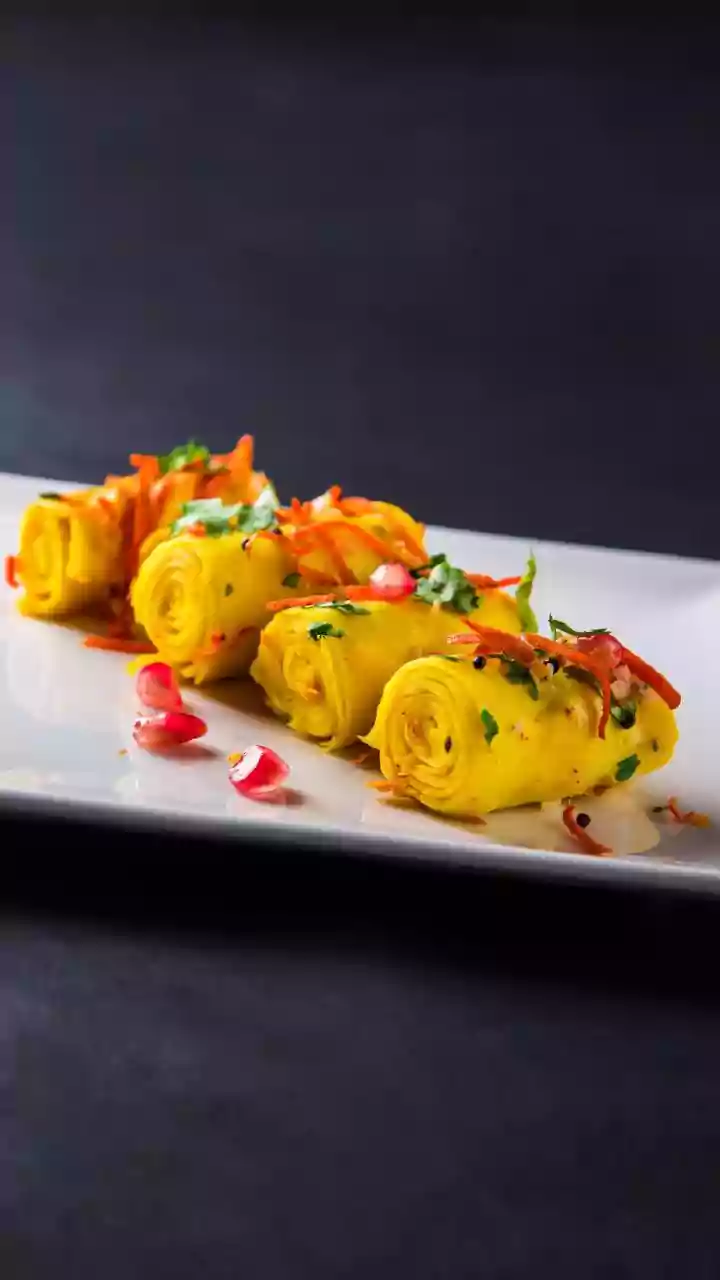
In the age of social media, food has to be as visually appealing as it is delicious. Reimagined street food dishes are inherently photogenic. A deconstructed samosa, a flight of colourful pani puri shots, or an artfully plated chaat are designed to be shared online, creating organic buzz for the restaurant. This visual appeal helps attract a modern, tech-savvy clientele that is eager to document and share their dining experiences. The element of surprise and novelty—presenting a familiar food in an unfamiliar way—makes for compelling content. It transforms diners into marketers, spreading the word about a restaurant's creativity and unique offerings with every post and story.