







The Body’s Speed Limit for Absorption
Think of your body like a dry sponge. If you dump a bucket of water on it, most of the water runs off the sides. But if you let the water drip slowly, the sponge absorbs it effectively. Your body works in a similar way. When you chug a large volume of water quickly,
it rushes through your digestive system. While water can enter the bloodstream in as little as five minutes on an empty stomach, the body has a limit to how much it can process at once. Sipping allows the water to be absorbed more steadily by your stomach and intestines, giving your cells a better chance to take in what they need.
Don't Overwhelm Your Kidneys
Your kidneys are your body’s master filtration system, working to balance fluids and electrolytes. They are incredibly efficient, but they have a processing capacity. A healthy pair of kidneys can filter roughly 0.8 to 1.0 liters of water per hour. When you chug water much faster than this rate, you're essentially overloading them. The kidneys respond by working overtime to expel the excess fluid to maintain balance. This is why you often find yourself running to the bathroom shortly after chugging a lot of water; your body is flushing it out before it has been fully utilized.
The Danger of Dilution: Hyponatremia
In extreme cases, drinking too much water too quickly can lead to a dangerous condition called hyponatremia, or water intoxication. This occurs when the rapid influx of water dilutes the sodium levels in your blood. Sodium is a critical electrolyte that helps regulate fluid balance in and around your cells and is essential for nerve and muscle function. When sodium levels drop too low, excess water moves into the cells, causing them to swell. This swelling is particularly dangerous for brain cells, which can lead to symptoms like headaches, confusion, nausea, and in severe cases, seizures or a coma. While rare for the average person, it's a known risk for endurance athletes who might over-consume water without replacing lost electrolytes.
How to Hydrate the Right Way
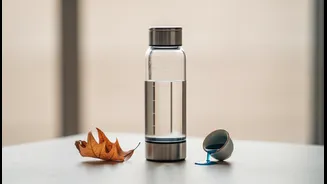
The key to effective hydration is consistency, not volume. Aim to sip water steadily throughout the day. A good practice is to carry a reusable water bottle with you as a constant reminder. Instead of waiting until you feel intense thirst—a sign you are already slightly dehydrated—drink small amounts regularly. Pay attention to your body's signals. A good indicator of hydration status is urine color; it should be a pale, lemonade-like yellow. If it's completely clear, you might be over-hydrated, and if it's dark amber, you need to drink more. By turning hydration into a gentle, all-day habit, you support your body's functions without putting unnecessary stress on your system.