


The Blueprint: Menu Planning is Everything
The foundation of a stress-free feast is a well-balanced menu. Don't try to make ten complex dishes. Instead, choose a manageable variety that covers different tastes and textures. A good rule of thumb is to select two or three main course dishes—perhaps
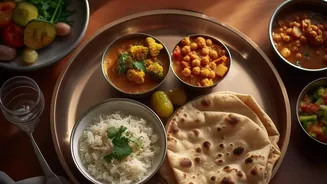
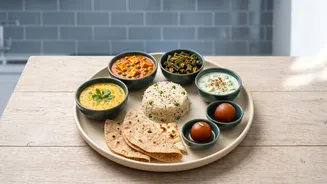
one paneer dish, a dal or chana masala, and a seasonal vegetable preparation. If you serve meat, one flavourful chicken or mutton curry is often enough to satisfy guests. Pair these with one type of rice (like jeera rice or a simple pulao), a raita, and breads like naan or parathas. Crucially, select dishes that can be partially or fully prepared in advance. Curries like dal makhani or chana masala often taste even better the next day. Always confirm your guest count and ask about any dietary restrictions or allergies well ahead of time.
The Master List: Shop Smart, Not Hard
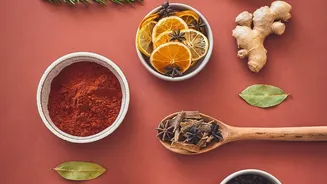
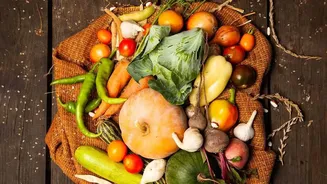
Once your menu is set, create a detailed, categorized shopping list. This is a non-negotiable step. Group items by category: fresh produce, dairy, dry goods (lentils, rice, flour), and spices. Do your shopping at least three days in advance. Non-perishable items can be bought even a week or more ahead. Check your pantry for staples like ghee, oil, sugar, and essential spices before you go. This prevents last-minute dashes to the store for a missing ingredient. For festive-specific items like saffron, nuts for garnish, or special flours for sweets, keep them in a separate, dedicated area of your kitchen to find them easily. An organized list saves time, money, and ensures you have everything you need when you start your prep.
The Power of Prep: Your Two-Day Head Start
The secret to a calm cooking day is to do as much as possible one or two days before. This is where you get your head start. Two days out is perfect for making spice pastes like ginger-garlic or onion-tomato masala, which form the base of many curries. You can also make and store chutneys, and prepare the batter for dishes like dahi vada. Many sweets, such as laddoos or barfis, can be made well in advance and stored in airtight containers. One day before, the bulk of your prep can happen. Chop all your vegetables—onions, tomatoes, capsicum, carrots—and store them in airtight containers in the fridge. Marinate your paneer or chicken. You can even cook your dal or chickpea curry completely; their flavours will meld and deepen overnight.
Game Day: Execute with Calm
On the day of the feast, your job is to assemble, reheat, and handle the final touches. Take out pre-cooked dishes from the fridge a couple of hours before serving to let them come to room temperature, which makes reheating more even. Your main tasks for the day should be the things that must be done fresh. This includes cooking rice, frying puris or bhaturas, warming naans, and preparing the final tadka (tempering) for your dal or curries. This is also the time to assemble your raita and chop fresh coriander for garnish. Set up your serving dishes and lay the table early. Most importantly, don't be afraid to delegate. Ask a family member or a willing guest to help with warming breads, setting the table, or making a salad. People are often happy to help and it makes them feel more involved in the celebration.