






The Great Green Escape
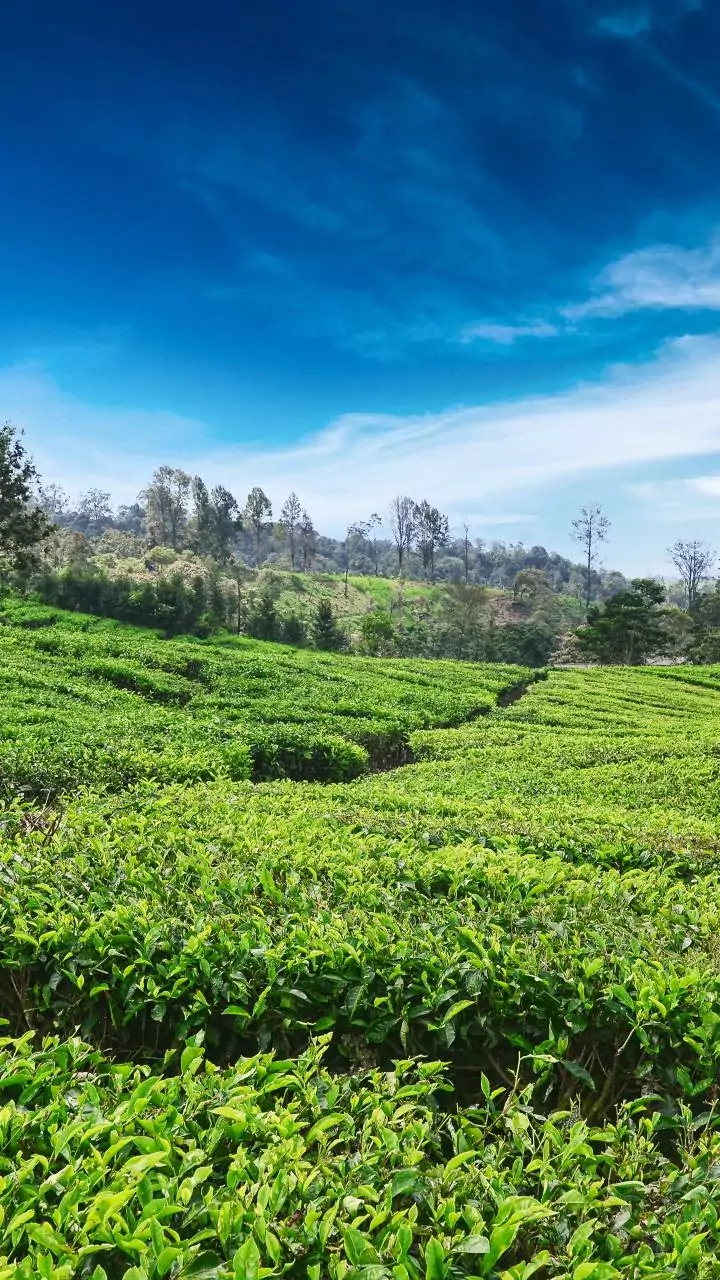
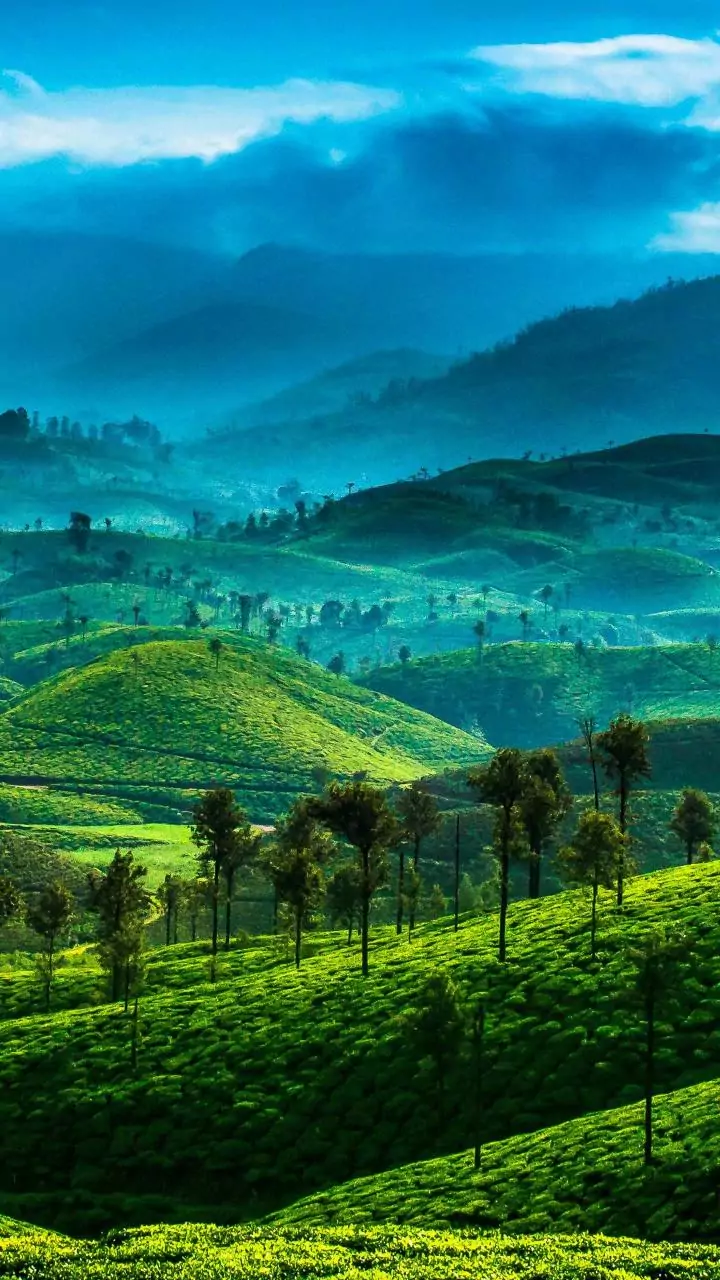
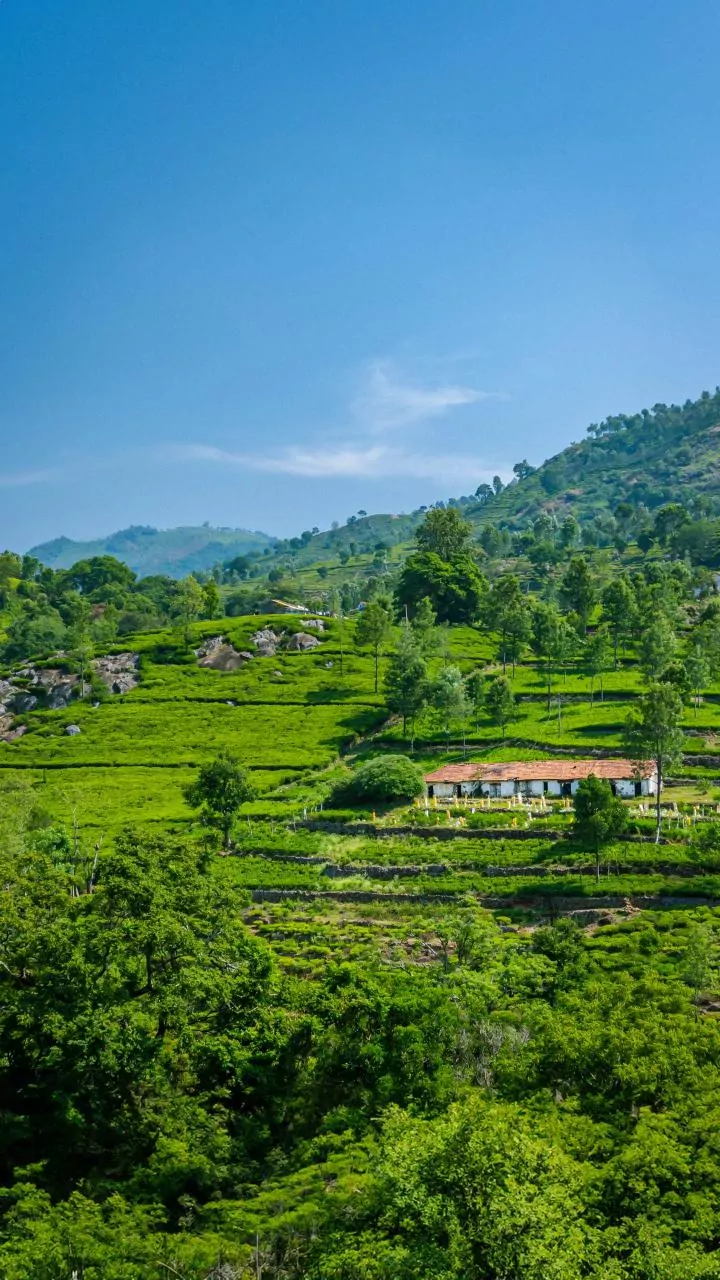
The hum of the city is being replaced by the chirping of birds for a new class of Indian professionals. Remote work, once a temporary measure, has evolved into a long-term lifestyle choice, and its new headquarters are nestled within the sprawling coffee
estates of Coorg. This trend is particularly pronounced among workers from Tier 2 cities like Mysore, Coimbatore, and Indore. Freed from the daily commute and the confines of a physical office, they are seeking 'workations' that blend productivity with peace. Unlike a frantic weekend trip, these are extended stays, often lasting weeks or even months, allowing for a deeper immersion into the slow, rhythmic life of a plantation. This movement is driven by a desire for a better quality of life, away from urban congestion and pollution, and a conscious choice to prioritise mental well-being.
More Than Just Good Wi-Fi
What makes a coffee estate the ideal remote office? The appeal goes far beyond a picturesque Zoom background. Homestay and resort owners in Coorg have adapted quickly to this new demand. Many now explicitly market themselves as 'workation-friendly', offering essentials like high-speed internet, power backup, and dedicated workspaces. Some even provide discounted monthly rates for long-stay guests. The environment itself is a key amenity. Professionals find that the tranquility of the plantations enhances focus and creativity. The daily routine is no longer defined by traffic and deadlines, but by early morning walks through coffee groves, the aroma of freshly brewed estate coffee, and evenings spent under starry skies. This setup allows for a seamless blend of work and leisure, where a break from the laptop means a walk to a nearby waterfall or a guided tour of the plantation.
Why Tier 2 Is Leading the Charge
While remote work is a nationwide phenomenon, the enthusiasm from Tier 2 cities is notable. Several factors are at play. Professionals in these cities often have a greater appreciation for open spaces and a slower pace of life, making the transition to a rural setting less jarring than for their metro-dwelling counterparts. Furthermore, reports indicate a significant rise in discretionary spending and travel enthusiasm from non-metro regions. Improved road connectivity makes destinations like Coorg, just a few hours' drive from cities like Bangalore and Mysore, highly accessible. This trend is part of a broader 'micro-tourism' wave, where travelers favor shorter, more frequent trips to less crowded, culturally rich destinations over grand annual vacations. For these remote workers, a staycation in Coorg isn't an escape from life, but a way to live it more fully.
A Boost for the Local Economy
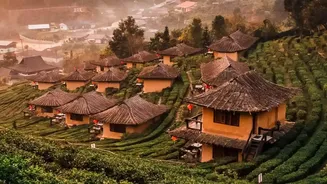
This influx of long-stay visitors provides a significant and sustainable boost to Coorg's local economy. Unlike seasonal tourists who create peaks and troughs in demand, remote workers offer a more stable, year-round revenue stream. This benefits not just the estate owners but the entire local ecosystem, from cafes and taxi services to local guides and artisans. Estate owners are transforming their properties, adding heritage-inspired cottages and modern amenities to cater to this discerning clientele who seek both authenticity and comfort. By choosing genuine working estates over larger resorts, these visitors contribute directly to the preservation of Coorg's unique agricultural heritage. This model of tourism promotes a more sustainable relationship between visitors and the destination, fostering a deeper appreciation for the local culture and environment.