





The Policy on the Table
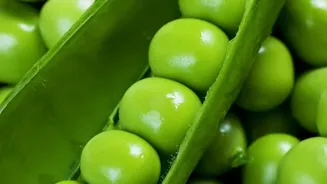
The government is actively considering reducing or eliminating import duties on key pulses, particularly masoor (red lentils) and yellow peas. Currently, masoor imports face a 10% tax, while yellow peas attract a steeper 30% duty. These taxes, known as tariffs,
are designed to make imported goods more expensive, thereby protecting domestic producers from foreign competition. The discussion revolves around lowering these barriers to allow cheaper pulses to enter the Indian market more easily. This isn't an entirely new strategy; India already permits duty-free imports of tur (pigeon peas) and urad (black gram) until March 2027 to manage domestic supply. The potential extension of this policy to other pulses signals growing concern within official circles about the broader food price situation.
Why Now? Decoding the Inflation Threat
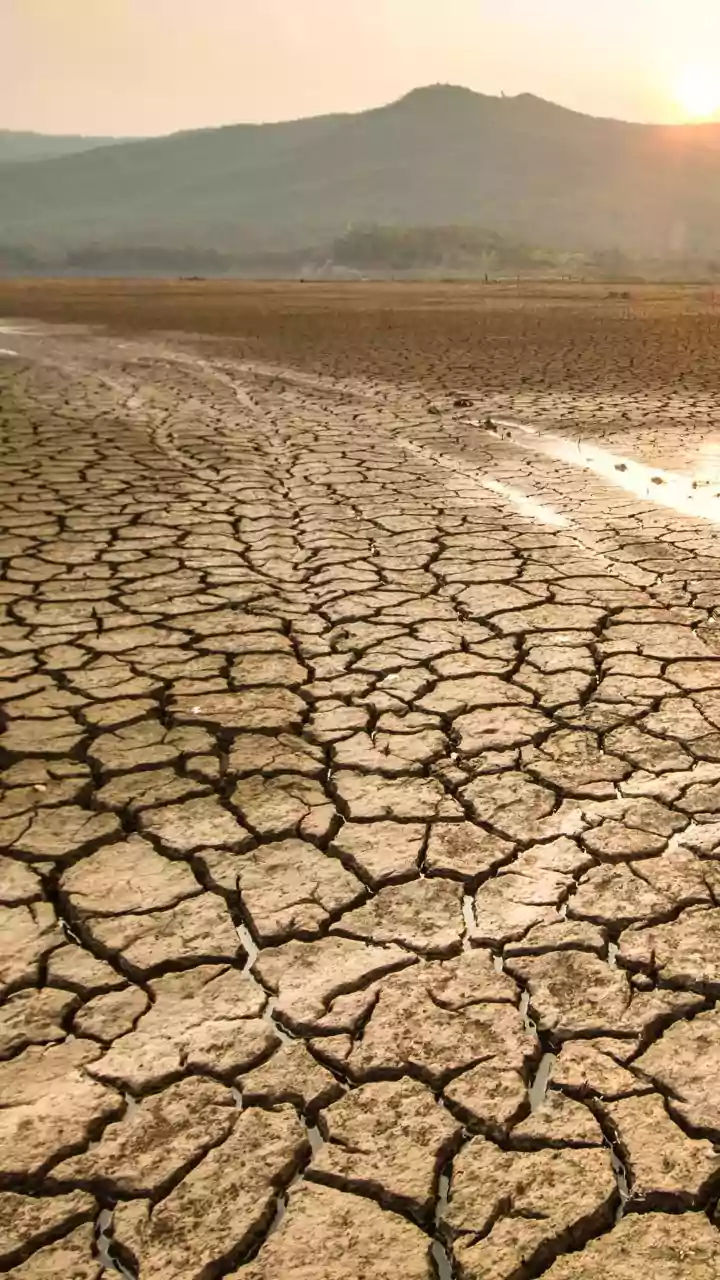
The timing of this debate is critical. India is grappling with persistent food inflation, which puts pressure on household budgets and complicates the Reserve Bank of India's efforts to manage the economy. Prices of major pulses like chana, moong, and tur have surged by up to 11% in the last month alone. This price rise is attributed to several factors. An uneven monsoon has raised fears of a weaker domestic harvest, as many pulses are grown in rain-fed areas. This potential shortfall is compounded by rising demand, especially with the festive season approaching, a time when consumption of pulses like chana typically spikes. By making imports cheaper, the government hopes to increase the overall availability of pulses in the market, thereby cooling down the soaring prices before they spiral further.
Potential Relief for Kitchen Budgets
For the average consumer, the most direct impact of an import duty cut would be on their grocery bills. Cheaper imports from major producers like Canada, Australia, and Russia would increase competition in the wholesale market, which should, in theory, translate to lower retail prices for dals and other pulse-based products. With food inflation expected by some economists to remain elevated in the coming months, any measure that eases the cost of essential food items would be a welcome relief for millions of households. This move is a classic tool used by governments to manage short-term price shocks and ensure food security, prioritising consumer affordability when domestic supplies are tight.
The Farmer's Dilemma
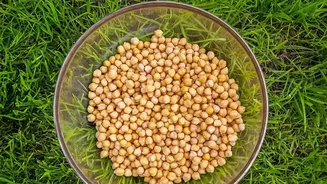
However, what comes as a relief for consumers can be a source of distress for farmers. Agricultural organisations have consistently raised concerns that lowering import duties floods the market with cheap foreign produce, making it difficult for Indian farmers to get a fair price for their crops. This is especially critical if the policy change coincides with the domestic harvest season. For example, farmers are set to begin planting chana (chickpeas) in October, and a stable, remunerative price is a key incentive. If the market is flooded with cheaper alternatives, domestic prices could crash, hurting farmer incomes and potentially discouraging them from planting pulses in the future. This creates a difficult policy trade-off between short-term price control and the long-term goal of achieving self-sufficiency ('AtmaNirbharta') in pulse production.
A Delicate Balancing Act
The government's final decision is yet to be announced, and it underscores a fundamental challenge in economic policymaking: balancing the immediate needs of consumers with the long-term welfare of producers. Officials might opt for a targeted approach, for instance, by excluding chana from the duty cuts to protect farmers during their planting season while lowering duties on lentils and peas where supply gaps are more acute. This situation highlights the complex interplay of monsoon performance, global market dynamics, festive demand, and national agricultural policy. The outcome will not only influence the price of your next meal but also offer a glimpse into the government's priorities in the ongoing tug-of-war between managing inflation and supporting the livelihoods of its farmers.