





The New Digital Pantry
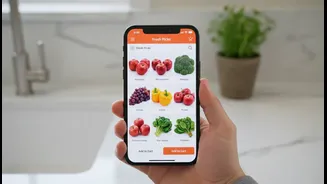
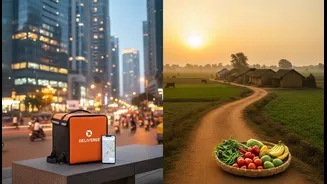
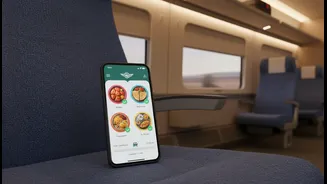
The most visible change is the explosion of online food delivery and e-grocery services. Gone are the days when a meal from a restaurant was a weekend treat. Now, with platforms like Zomato and Swiggy, a vast culinary world is just a tap away, available
any time. This convenience has fundamentally altered meal planning for many urban Indians, especially young adults and working professionals who may lack the time or inclination to cook. A 2025 report noted that nearly half of the food budget for city dwellers now goes towards dining out or ordering in. This trend extends to groceries, with quick-commerce platforms like Blinkit and Zepto becoming the primary source for groceries for nearly a third of urban shoppers, profoundly changing how kitchens are stocked.
Eating for the Algorithm
Social media has become a powerful, if unofficial, food guide for millions. Platforms like Instagram and YouTube are not just for sharing photos; they are where food trends are born, spread, and monetized. From the global popularity of Dalgona coffee to the resurgence of traditional ingredients like millets in modern formats, what we see online directly influences what we want to eat. This phenomenon, sometimes called 'FOODMO' (Fear Of Missing Out on Food Trends), is particularly influential among younger demographics. One study found that 65% of young users follow food influencers, with nearly half admitting their eating habits are highly affected by social media. This can lead to a more diverse palate but also encourages consumption based on aesthetics over nutrition.
A Double-Edged Sword for Health
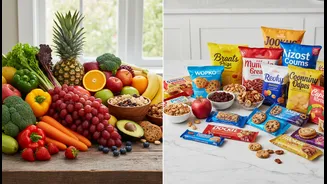
Digital access offers a confusing mix of health benefits and risks. On one hand, the internet provides unprecedented access to nutritional information and healthy-eating trends, like plant-based diets. Specialised services now deliver customised, calorie-counted meal plans designed by nutritionists directly to doorsteps in major cities. On the other hand, the same digital environment aggressively markets unhealthy, calorie-dense foods. Studies show that the convenience of food apps often leads to an increased intake of junk food, and social media can promote unhealthy eating disorders like binge eating. Research has highlighted that the digital food environment significantly influences dietary choices, often pushing users towards less healthy options through discounts and targeted ads, contributing to health issues like obesity and diabetes.
The Information Gap
While the internet can be a source of empowerment, it is also rife with misinformation. Fad diets and unscientific health claims promoted by influencers without nutritional backgrounds can cause real harm. The digital nature of this information makes it difficult for users to distinguish between credible advice and clever marketing. Furthermore, the benefits and influences of this digital food culture are not evenly distributed. An IIT Guwahati study noted that these trends are predominantly driven by and for middle and upper-class urban populations, often reinforcing existing social hierarchies and excluding marginalised groups from the conversation. The study calls for more inclusive digital policies to ensure the benefits are shared more broadly and the harms are mitigated.