

Why Your Stomach Struggles in the Monsoon
The shift to the rainy season often coincides with a spike in digestive complaints like bloating, indigestion, and more serious infections. High humidity creates a fertile ground for harmful bacteria and viruses to thrive, increasing the risk of food
and water contamination. This means everything from street food to even improperly stored home-cooked meals can pose a risk. Furthermore, our digestive fire, or 'Agni' as Ayurveda calls it, is believed to weaken during this season, making our system more sluggish and susceptible to issues. This combination of a less efficient internal system and a higher external threat load is why you might feel more bloated, gassy, or generally uncomfortable after meals during the rains.
Probiotics: The Microscopic Heroes in Your Gut
To counter these challenges, you need a strong internal defence system, which is where probiotics come in. Probiotics are live, beneficial bacteria that reside in your gut and are crucial for good health. Think of them as a friendly army that helps maintain balance in your gut's ecosystem, known as the microbiome. They aid in breaking down food, absorbing nutrients, and can help prevent harmful bacteria from taking over and causing illness. A healthy gut microbiome, supported by plenty of probiotics, strengthens your digestive tract's defences and can alleviate common issues like diarrhoea and bloating. By reinforcing your gut with these good microbes, you improve its resilience against the challenges posed by the monsoon season.
The Power of Homemade Fermented Pickles
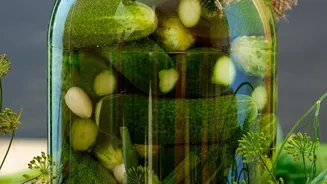
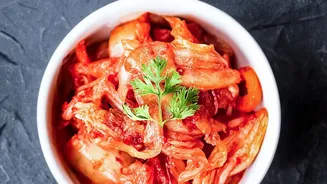
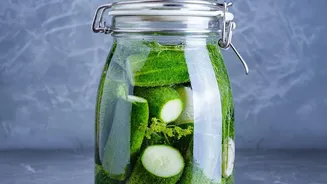
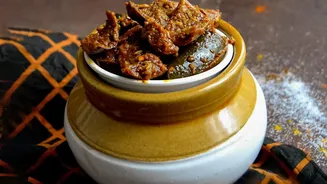
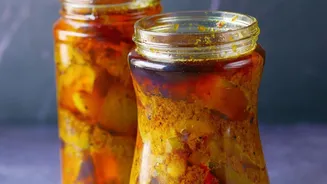
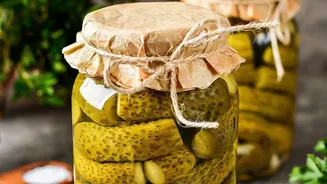
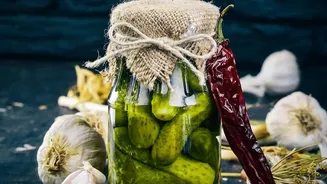
One of the most accessible and traditional sources of probiotics is homemade fermented pickles. It's important to distinguish between different types of pickles. Many commercially produced pickles use vinegar and undergo heat treatment for a longer shelf life, a process that destroys any live probiotic cultures. In contrast, traditional Indian pickles made through natural fermentation are teeming with these beneficial microbes. This age-old method uses salt, spices, and sometimes sunlight to preserve vegetables. This process encourages the growth of lactic acid bacteria—the very same probiotics found in yogurt—which not only preserves the pickle but also enriches it with gut-friendly properties. Therefore, a spoonful of authentic, homemade achar can be more than just a flavour enhancer; it's a dose of functional food that actively supports your digestive well-being.
Choosing and Using Probiotic-Rich Foods
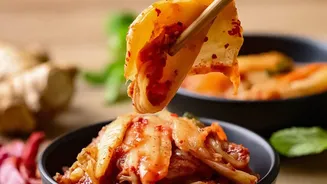
To reap the benefits, opt for pickles that are 'naturally fermented' and avoid those made with vinegar. Homemade lemon, mango, or chilli pickles that are salt-cured are excellent choices. Beyond pickles, other fantastic probiotic sources common in Indian households include dahi (curd) and buttermilk. You can also explore options like kefir (a fermented milk drink) and kombucha (fermented tea). For these probiotics to thrive, they need food, which is where prebiotics come in. Prebiotics are types of dietary fibre that act as 'fertilizer' for the good bacteria in your gut. They are found in foods like garlic, onions, bananas, and whole grains. By consuming both probiotics (the good bacteria) and prebiotics (their food), you create a powerful combination for optimal gut health.