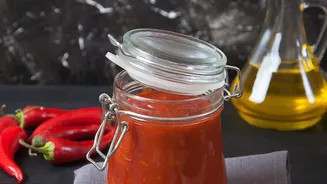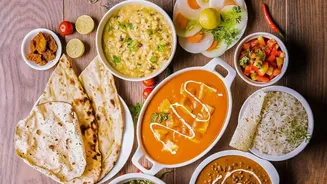


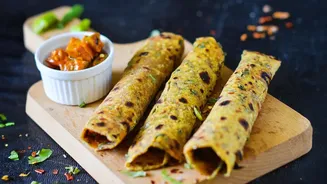
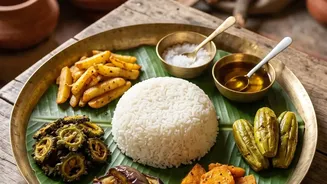
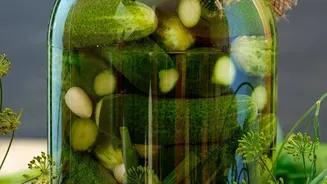
The humble achar is getting a modern makeover. Once the exclusive domain of grandmothers' kitchens, artisanal pickles are now a booming market, finding their way into modern homes through social media feeds and curated online stores.
A Renaissance of Flavour
For generations, the
art of Indian pickle-making was a cherished ritual, a way to preserve seasonal abundance in sun-drenched courtyards. This tradition, which had started to fade with the rise of mass-produced condiments, is now experiencing a remarkable revival. A new generation of food entrepreneurs is looking back to these time-honoured methods, creating small-batch pickles that champion authentic regional flavours over industrial uniformity. These makers are rejecting artificial preservatives and instead using natural fermentation and sun-curing techniques, reintroducing a depth of flavour and healthful properties that were often lost in factory production.
The Driving Forces: Nostalgia and Wellness
So, why the sudden surge in popularity? The trend is fuelled by a potent mix of nostalgia and a growing consciousness around wellness. For many urban Indians, these pickles offer a direct, edible connection to their roots and childhood memories. But it goes beyond sentimentality. Modern consumers are increasingly scrutinising labels and seeking out foods with clean ingredients. Artisanal brands are meeting this demand by offering products free from synthetic preservatives and sometimes even using healthier oils and lower salt content. Furthermore, the traditional process of fermentation makes these pickles a natural source of probiotics, which are known to improve gut health and boost immunity. This positions pickles not just as a condiment, but as a functional, healthy food.
From Local Traditions to National Reach
The rise of direct-to-consumer (D2C) business models and the power of social media have been instrumental in this trend. Entrepreneurs, many of whom are women working from their homes or small-scale kitchens, can now share their family recipes with a nationwide audience. Platforms like Instagram and dedicated e-commerce sites allow them to tell the story behind their products, creating a personal connection with customers. This digital marketplace has opened up access to an incredible diversity of regional specialties that were previously unknown outside their places of origin. The Indian D2C market is booming, allowing these niche brands to bypass traditional retail challenges and deliver authentic tastes directly to kitchen tables across the country.
Exploring India's Pickle Diversity
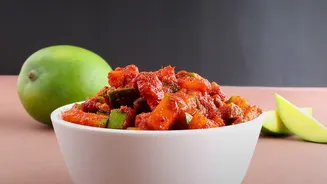
This movement is also a celebration of India’s immense culinary diversity. While mango and lime pickles remain timeless classics, consumers are now exploring a much wider spectrum of flavours. You can find fiery Andhra Avakaya made with sesame oil, sweet and tangy Gujarati chundo, and pungent Bengali kasundi. The exploration goes even further, with unique offerings like bamboo shoot pickles from the Northeast, spicy brinjal achar, prawn pickles, and pungent garlic pickles finding new fans. This rediscovery allows people to travel across India with their taste buds, experiencing the unique produce and spice profiles of different states from the comfort of their homes.
The New Face of an Old Tradition
The artisanal pickle trend is more than just a food fad; it's a cultural phenomenon. It reflects a desire to reconnect with heritage in a modern, convenient way. These beautifully packaged jars, often sold with a story about their origin, have transformed the humble pickle into a gourmet product. They are being paired with cheese boards, used in cocktails, and gifted during festivals, signalling a shift in perception. The market for pickles in India, valued at over US$600 million in 2025, is projected to continue its steady growth, driven by this blend of tradition, innovation, and entrepreneurship.