



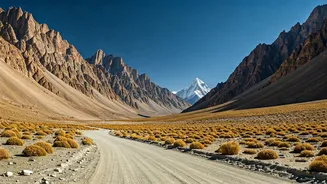


The Land Where Monsoon Takes a Detour
Spiti's magic lies in a simple geographic marvel: the rain shadow effect. The towering Pir Panjal and Great Himalayan ranges act as colossal barriers, blocking the moisture-laden monsoon clouds from ever reaching the valley. While other hill stations
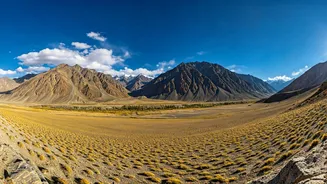
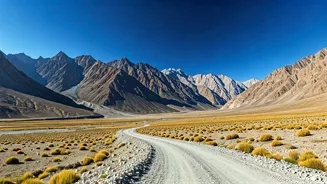
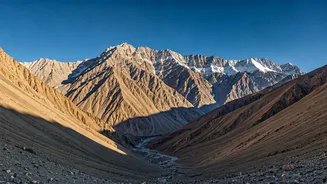
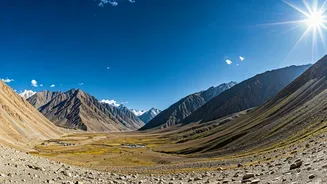
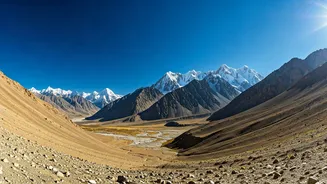
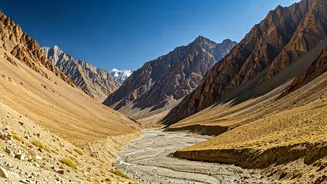
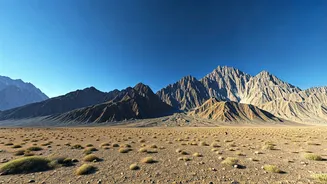
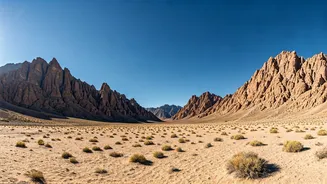
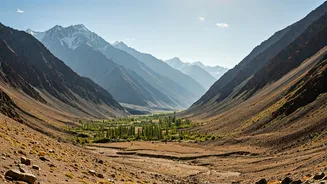
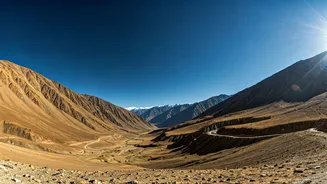
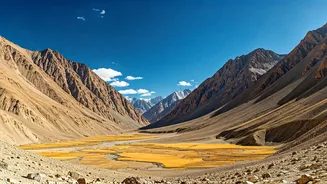
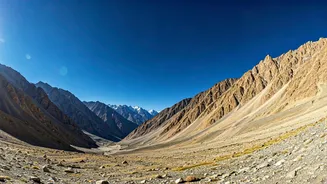
grapple with relentless downpours from July to September, Spiti remains overwhelmingly dry, boasting clear blue skies and bright sunshine. This makes it one of the few Himalayan destinations that are not just accessible but are at their most welcoming during the monsoon months. You get to experience the raw, stark beauty of its moonscapes, a landscape of barren mountains and deep canyons, without the threat of a washout.
Peace, Solitude, and Starry Nights
The “peaceful” part of the headline isn't just a promise; it's a reality. The monsoon season is considered an off-peak time for Spiti, which translates to fewer tourists and a more serene atmosphere. Imagine exploring ancient monasteries without the usual crowds or finding a quiet corner in a café in Kaza to simply soak in the views. The air is crisp, and the relative lack of rain means the night skies are exceptionally clear, making it a paradise for stargazers hoping to catch a glimpse of the Milky Way. While the valley itself is arid, the light moisture in the air during these months can lead to a surprising burst of green in some irrigated patches, creating a stunning contrast against the ochre mountains.
A Journey Through Culture and Time
A trip to Spiti is as much about the cultural journey as it is about the landscape. The valley is a bastion of Tibetan Buddhism, home to some of the world's oldest and most fascinating monasteries. Visit the iconic Key Monastery, perched dramatically on a hilltop, or the Tabo Monastery, a UNESCO World Heritage site renowned for its ancient murals. For a touch of the unique, make your way to Giu village to see a 500-year-old, naturally preserved mummy of a monk. The villages of Langza, Hikkim, and Komic, which are among the highest inhabited villages in the world, offer a profound glimpse into the resilience of life at high altitudes. A popular activity is to send a postcard from the world's highest post office in Hikkim.
Planning Your Monsoon Escape to Spiti
While Spiti itself is dry, getting there requires careful planning. There are two main routes: one from Shimla via Kinnaur and the other from Manali. The Shimla-Kaza highway is generally considered the safer, more reliable option during monsoon as it is less prone to major blockades, although minor landslides in the Kinnaur region can cause temporary delays. The Manali-Kaza route, which crosses the high passes of Rohtang and Kunzum, is more adventurous and scenic but also riskier due to melting snow and rain causing slushy patches and swollen water crossings. It's crucial to build buffer days into your itinerary for unexpected delays. Regardless of the route, acclimatization is key due to the high altitude, so plan to spend at least a night at an intermediate stop like Kalpa or Nako if coming from Shimla. Always check the latest road status before you travel.