


The Protein Obsession
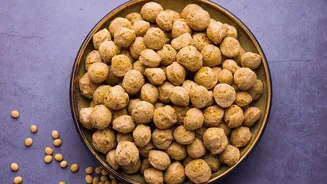
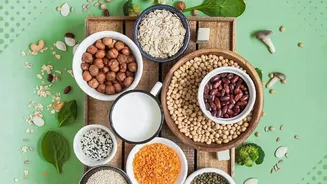
Not long ago, the single most attractive claim on a food packet was its protein content. From protein bars and powders to fortified atta and biscuits, the Indian market has seen a massive surge in products catering to our collective desire for this essential
macronutrient. This boom, driven by rising health consciousness and fitness culture, has been significant, with one quick commerce platform reporting a 150% surge in protein-related orders in just two years. Brands quickly learned that highlighting 'X grams of protein' was a surefire way to catch the consumer's eye. Protein became synonymous with healthy, a simple metric for making a 'good' choice. But as shoppers become more savvy, that single-minded focus is beginning to evolve.
What Exactly is a 'Clean Label'?
Unlike 'organic', the term 'clean label' has no official regulatory definition from bodies like the FSSAI. Instead, it’s a consumer-driven movement reflecting a desire for transparency and simplicity. At its core, a clean label means a product has a short, simple, and understandable ingredient list. It's about recognising what you're eating. Think ingredients you might find in your own kitchen, like turmeric or beet juice for colour, rather than chemical-sounding names or E-numbers. The movement champions foods that are free from artificial colours, flavours, and preservatives, and are minimally processed. For many Indian consumers, a clean label is a signal of trust, quality, and authenticity in a crowded marketplace.
The Shift from 'How Much' to 'What's In It'
The focus on protein was about quantity—getting enough of a good thing. The clean label movement is about quality—understanding the entire composition of your food. Consumers are no longer satisfied with just a high protein count if it comes with a long list of unpronounceable additives, fillers, and artificial sweeteners. A recent survey found that about 68% of urban Indian consumers actively read ingredient labels, with many deliberately avoiding artificial additives. This marks a major shift in consumer intelligence. It’s an evolution from focusing on a single 'hero' ingredient to assessing the entire team. People are asking not just "Is it high in protein?" but also "Is the protein source natural? What else is in here? Is it free from palm oil, artificial sweeteners, and preservatives?".
Drivers of the Clean Label Wave in India
Several factors are fuelling this trend. Increased access to information via social media has empowered consumers to educate themselves about food science and nutrition. The post-pandemic era has amplified health and wellness concerns, making people more cautious about what they put into their bodies. There is also a growing distrust of highly processed foods and complex supply chains. As a result, transparency has become a new marker of a premium product. A brand that is open about its simple ingredients and sourcing practices is now often seen as more trustworthy and of higher quality than one that hides behind complex formulations.
How Food Brands Are Responding
The Indian food industry is taking notice. Startups and legacy FMCG giants alike are reformulating products to meet this new demand. We're seeing biscuit makers use natural extracts from beetroot or carrot for colour and bakeries favouring spices like cardamom and cinnamon for flavour. Peanut butter brands now proudly declare "no palm oil" and "no added sugar" on the front of the pack. This isn't just a marketing gimmick; it's a fundamental change in product development. The challenge for manufacturers is to create these cleaner products without compromising taste, texture, or shelf life—a task that requires significant innovation. The goal is to make packaged food more wholesome and closer to its natural state.
Your Shopping Cart, Reimagined
So, how does this change your next trip to the grocery store? It means you have more power than ever. While checking for protein is still a great habit, take it a step further. Flip the package over. Look for a short ingredient list with names you recognise. Be wary of products with a long list of numbers and scientific-sounding terms. Choosing clean-label products doesn't mean giving up convenience; it means demanding better quality from the convenient foods you buy. It’s about supporting brands that prioritise transparency and embracing a more holistic view of nutrition, where every ingredient matters.