


The Latest Flashpoint
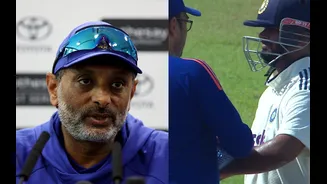
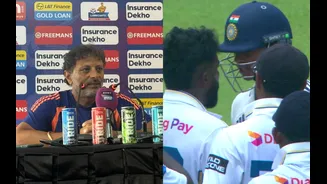
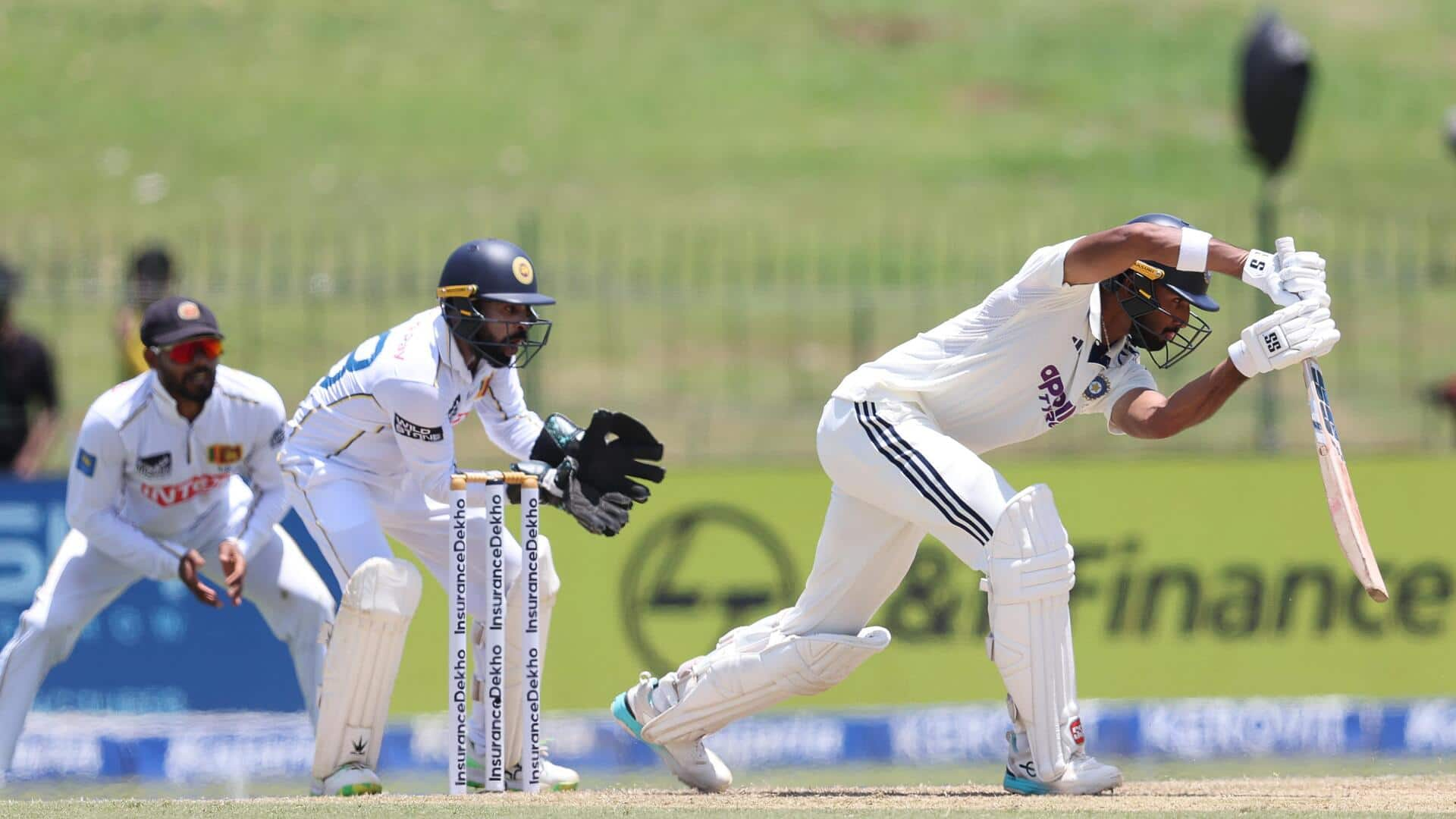
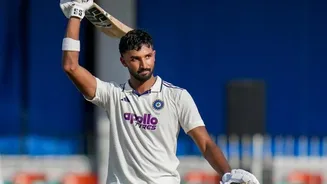
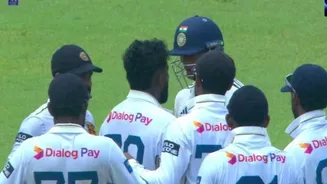
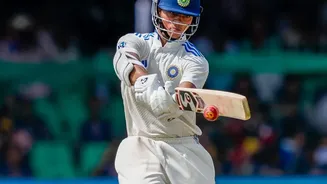
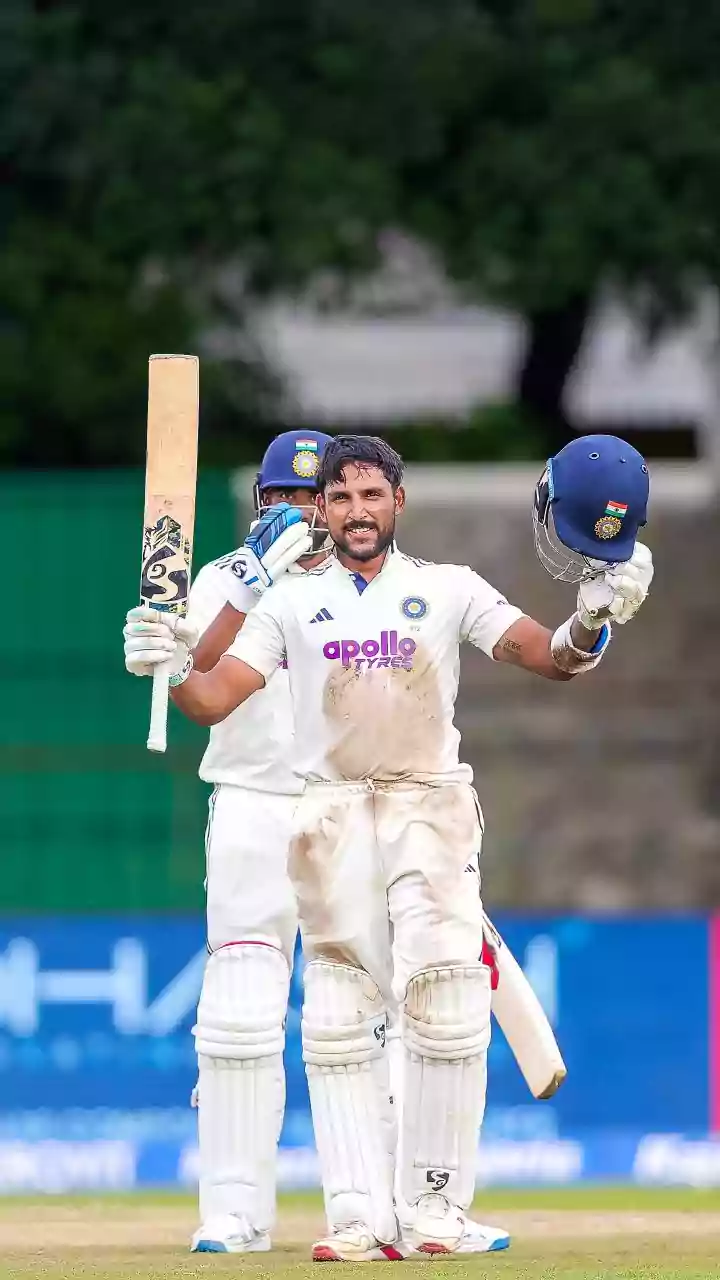
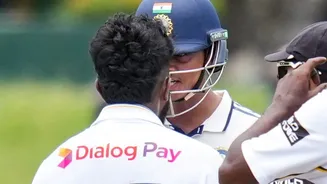
The incident that captured headlines occurred during the second Test in Colombo. After being dismissed by Sri Lankan pacer Asitha Fernando, India's young opener Yashasvi Jaiswal was subjected to a send-off. Instead of walking away, Jaiswal turned back,
leading to a heated, face-to-face confrontation that required teammates to intervene. Later, responding to commentary on the incident, Jaiswal took to social media with a defiant message that quickly went viral: “If anyone cross the line we need to let them know this India will fight and reply.” This wasn't just an emotional outburst; it was a declaration, echoing an identity that has been meticulously built over the last 20 years.
The Era of 'Nice Boys'
For decades, the Indian cricket team was known more for its artistry and technical grace than for on-field aggression. In the 1970s and 80s, players were often praised for their gentlemanly conduct. While they produced world-class talents, the team was often perceived as passive, especially when touring overseas. They were the proverbial 'nice boys' of world cricket, a team that rarely engaged in sledging or confrontational behaviour. This demeanour, while respectable, was often seen as a weakness by aggressive opponents like Australia, who believed India could be easily intimidated. This perception of being soft often meant that the team struggled to impose itself in tough situations, unable to match the psychological warfare waged by other top teams.
The Ganguly Revolution
The turning point came in the early 2000s under the captaincy of Sourav Ganguly. Taking over a team reeling from scandal, Ganguly decided that talent alone was not enough; the team needed attitude. He instilled a new, fearless brand of cricket, encouraging his players to stand their ground and give back as good as they got. Ganguly himself led by example, famously making Australian captain Steve Waugh wait for the toss and, most iconically, waving his jersey from the Lord's balcony in 2002—a direct, fiery response to Andrew Flintoff's similar act in India. He backed young, aggressive players and transformed the team's body language. For the first time, India was not just competing on skill but on sheer aggression, fighting fire with fire and earning a new level of respect.
The Kohli Inheritance
If Ganguly lit the spark, Virat Kohli turned it into a raging fire. Taking the captaincy mantle years later, Kohli embodied aggression. He didn't just adopt Ganguly's template; he amplified it, making relentless intensity a non-negotiable part of the team's DNA. Under Kohli, fitness standards soared, and an 'in-your-face' attitude became the default setting. From his combative captaincy debut in Australia in 2014 to telling his bowlers to make it 'hell' for England at Lord's, Kohli's leadership was defined by a burning desire to dominate. This aggressive mindset, backed by a world-class pace attack he helped nurture, led to historic overseas Test series wins, particularly in Australia. The message was clear: India was no longer content with just competing; they were there to win, and they would not be backing down.
A New Generation's Voice
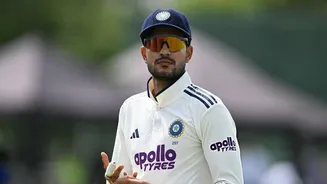
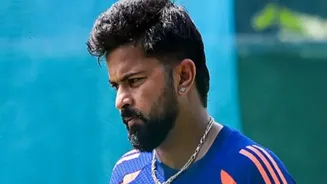
This brings us back to Yashasvi Jaiswal. The 24-year-old is not an anomaly. He, along with contemporaries like Shubman Gill and Mohammed Siraj, is a product of this new ecosystem. They grew up watching the teams led by Ganguly and Kohli. For them, aggression is not a strategy to be adopted; it is their natural state. They have entered a team where fighting for every inch is the norm, where backing down is not an option. Jaiswal's viral comment was not a new manifesto but a confirmation of the established order. It signaled that the culture of aggression, born from a desire to shed the 'soft' tag, is now deeply ingrained in the next generation of Indian cricketers.