

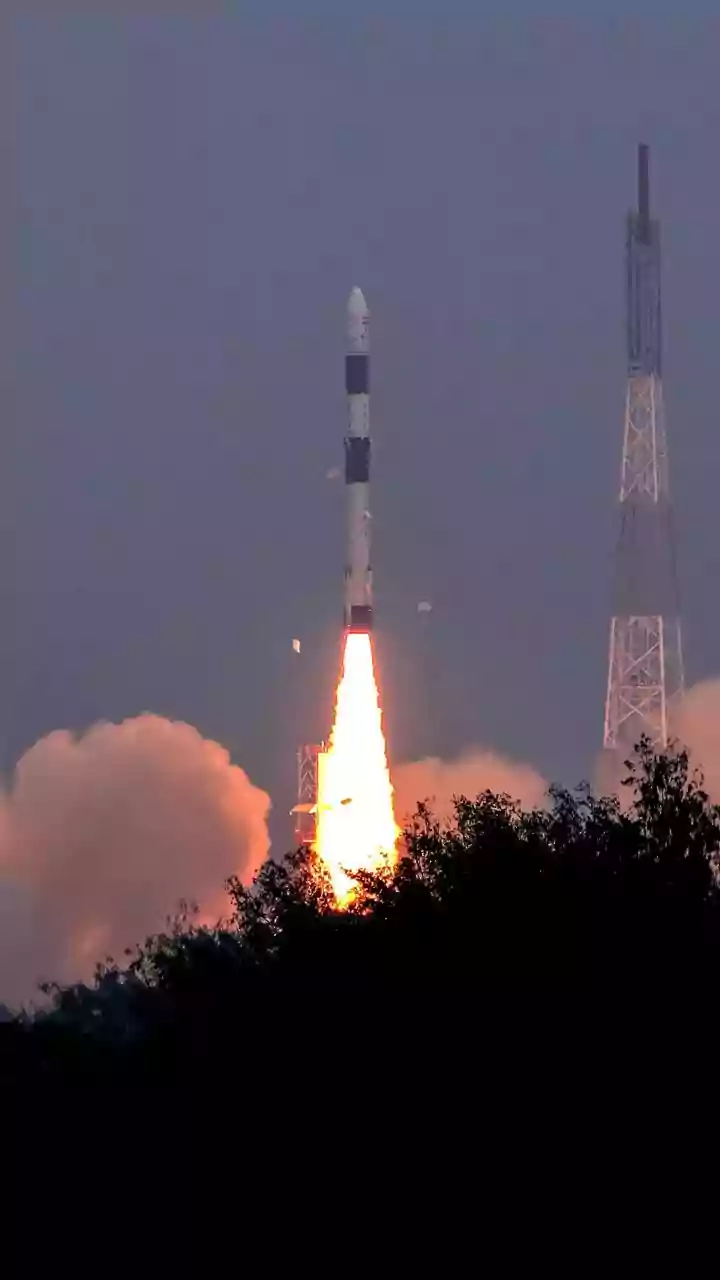







A Galaxy of Opportunity
India's space economy, currently valued at around $8 billion, is on a steep upward trajectory. Projections estimate it could soar to over $40 billion within the next decade, driven by a surge in private participation. This seismic shift began in 2020,
when the government opened the space sector to private companies, ending a long-standing government monopoly. To facilitate this transition, it established the Indian National Space Promotion and Authorisation Centre (IN-SPACe), a single-window agency to guide and authorise private space ventures. The goal is to grow India's share of the global space economy from 2-3% to over 8% by 2033, fostering an ecosystem where private innovation can flourish alongside the state-run ISRO.
Why Hyderabad is the New Frontier
While India's space ambitions are national, their commercial cradle is increasingly found in Hyderabad. The city has rapidly become the country's undisputed hub for aerospace and defence, leveraging a robust ecosystem that has been decades in the making. It hosts over 1,500 Micro, Small, and Medium Enterprises (MSMEs) in the aerospace supply chain, alongside major public sector units and the labs of the Defence Research and Development Organisation (DRDO). This combination of a skilled workforce, established manufacturing base, and proactive state policies has created fertile ground for space-tech startups. The presence of dedicated aerospace parks and global giants like Boeing and Lockheed Martin further cements its position as India's nerve centre for high-tech manufacturing.
Skyroot: Launching a Private Dream
No company better embodies Hyderabad's new space age than Skyroot Aerospace. Founded by former ISRO scientists, Skyroot made history in November 2022 with the launch of Vikram-S. This mission, named 'Prarambh' (The Beginning), marked the first-ever launch of a rocket built by a private Indian company. The suborbital flight was a crucial proof of concept, validating the company's technology. Skyroot is now preparing for an even bigger milestone: the orbital launch of its Vikram-1 rocket, scheduled between July and August 2026. This seven-storey vehicle is designed to carry small satellites into low Earth orbit and is built using an all-carbon composite structure and 3D-printed engines, showcasing the firm's innovative approach.
Dhruva Space: The Small Satellite Specialist
While Skyroot focuses on launch vehicles, another Hyderabad-based startup, Dhruva Space, is mastering the other side of the equation: satellites and their deployment. Founded in 2012, Dhruva provides end-to-end solutions, building satellite platforms and the critical orbital deployers that release them from the rocket. The company has successfully space-qualified its deployers on several ISRO PSLV missions, proving their reliability. These deployers are essential hardware, acting as the interface between the satellite and the launch vehicle. By offering services from satellite buses to ground station support, Dhruva Space allows clients to focus on their payload, while it handles the complex logistics of getting to and operating in space.
The Road Ahead
The emergence of companies like Skyroot and Dhruva is not just a business success story; it's a strategic shift for India. By fostering a private space industry, the nation can increase its launch capacity, accelerate innovation, and compete more effectively in the burgeoning global market for small satellite launches. The government's role has evolved from being the sole operator to an enabler, with ISRO providing mentorship and access to its world-class facilities, and IN-SPACe streamlining the regulatory pathway. As Hyderabad's space cluster continues to grow, attracting more investment and talent, it signals a future where public and private enterprise work in tandem, propelling India's stellar ambitions to new heights.