



The Secret to Its Survival
The snake plant, or Dracaena trifasciata, is native to the arid regions of West Africa, which means it evolved to be incredibly tough. Its resilience isn't magic; it's biology. The secret lies in a special type of photosynthesis called Crassulacean Acid
Metabolism (CAM). Unlike most plants that open their pores (stomata) during the day to take in carbon dioxide and inevitably lose water, snake plants do this at night. This clever trick drastically reduces water loss, allowing the plant to survive long periods of drought. The water it does absorb is stored efficiently in its thick, fleshy leaves, making it a master of conservation. This adaptation means it’s perfectly happy if you forget to water it for a few weeks.
A Breath of Fresh Air for Your Bedroom
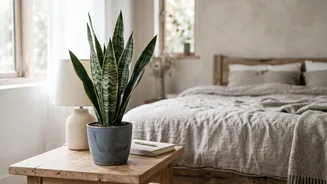
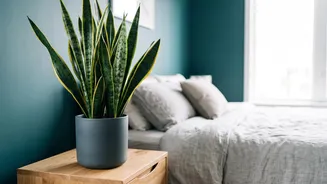
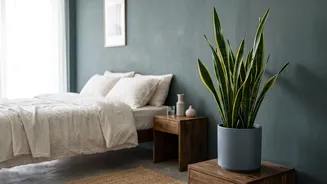
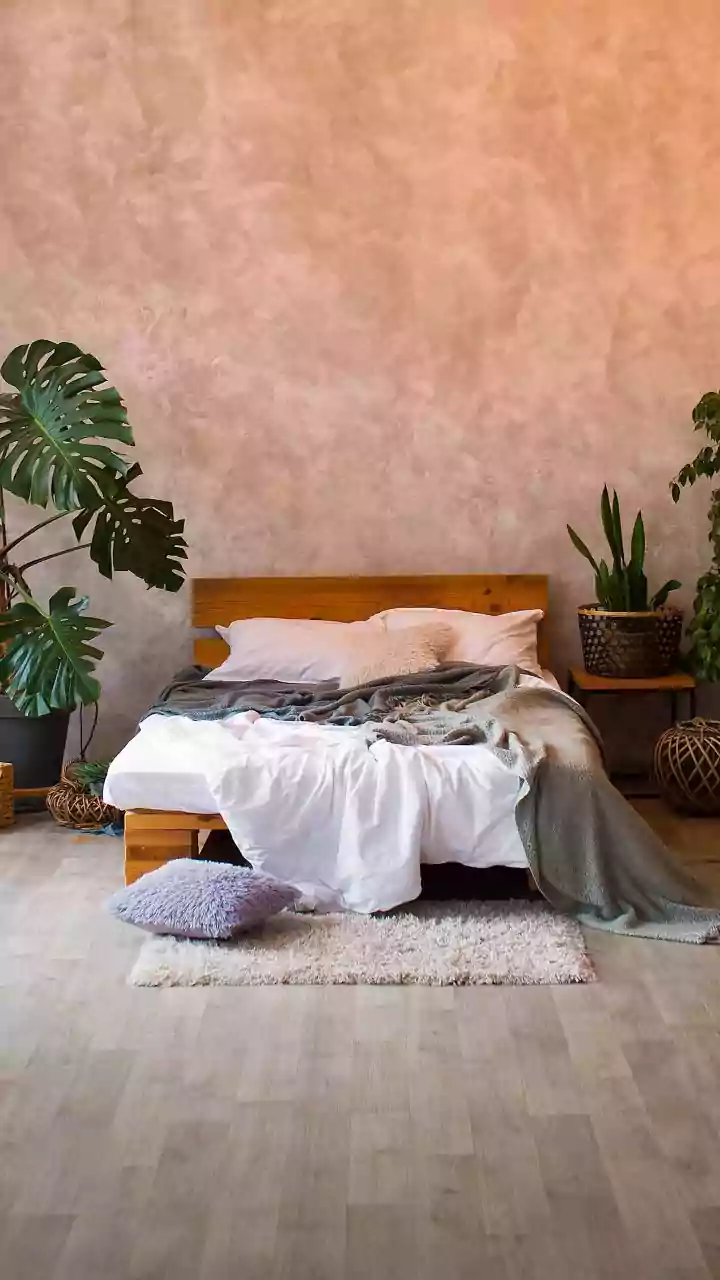
The CAM process has a fantastic side effect that makes snake plants ideal for bedrooms. While most plants release carbon dioxide at night, snake plants do the opposite, releasing oxygen. This nighttime oxygen production can contribute to a fresher atmosphere while you sleep. Furthermore, snake plants are known for their air-purifying abilities. A famous 1989 NASA study identified them as effective at filtering common indoor air pollutants like formaldehyde, benzene, and xylene from the air. While you would need a large number of plants to purify an entire room, having one by your bedside certainly contributes to a cleaner, healthier space.
The 'Bare Minimum' Care Guide
Thriving on neglect is the snake plant's claim to fame. Here’s all you really need to know: Light: They are incredibly adaptable and can tolerate low light, making them suitable for shadier corners. However, they grow best and their colours stay most vibrant in bright, indirect sunlight. A spot a few feet from a window is perfect. Water: This is the most critical part: do not overwater. Allow the soil to dry out completely between waterings. In most homes, this means watering only every 2-6 weeks, and even less in the winter. A good rule of thumb is to check if the top 2-3 inches of soil are bone dry before giving it a drink. Soil: A well-draining potting mix is essential. A mix designed for cacti or succulents is ideal, as it prevents water from sitting around the roots.
The One Mistake That Can Be Fatal
Despite its near-indestructible reputation, there is one thing that can reliably kill a snake plant: too much love in the form of water. Overwatering is the single most common cause of its demise. Because these plants are adapted to dry conditions, their roots are highly susceptible to rot when left in soggy soil. When the soil is constantly wet, it cuts off oxygen to the roots, creating a breeding ground for fungus that causes them to turn soft, brown, and mushy. Signs of root rot include yellowing leaves, a soft or smelly base, and foliage that droops or falls over. To avoid this, always err on the side of underwatering. The plant will forgive you for being thirsty, but it won’t forgive being drowned.
Choosing Your Champion
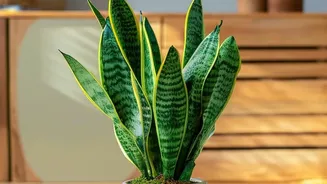
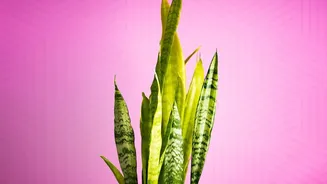
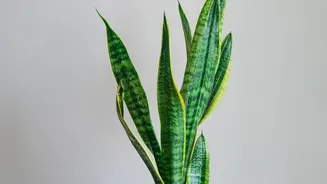
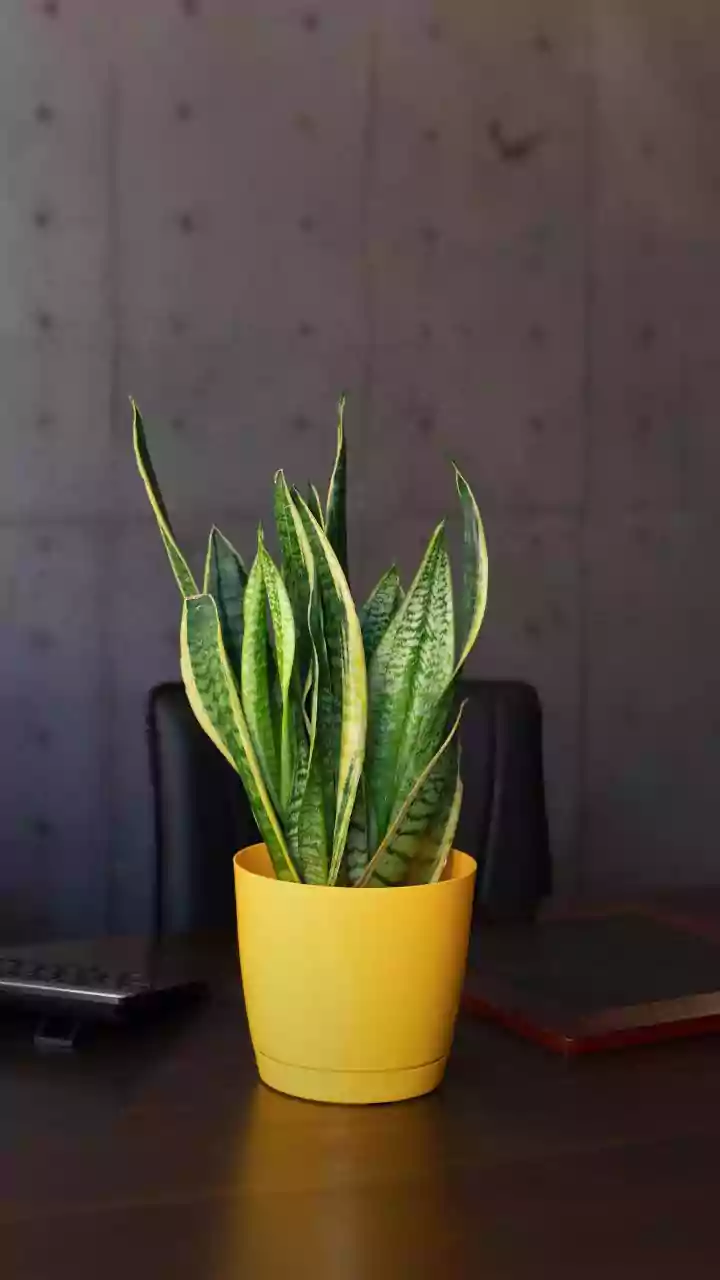
The classic snake plant isn't your only option. They come in a variety of shapes and colours, adding a different architectural feel to your space. The 'Laurentii' is perhaps the most recognisable, with its tall, sword-like leaves edged in yellow. 'Zeylanica' offers a subtler look with wavy, dark green bands. For something different, 'Moonshine' has beautiful, pale, silvery-green leaves, while 'Fernwood Mikado' features slender, cylindrical leaves that create a spiky, grass-like appearance. No matter the variety, the care remains just as simple, allowing you to choose purely based on aesthetics for a plant that will stand guard in your bedroom for years to come.