


Meet Your New Favourite Houseplant
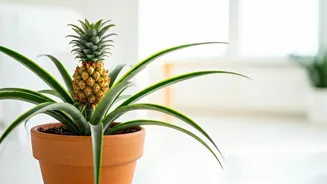
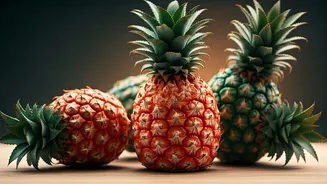
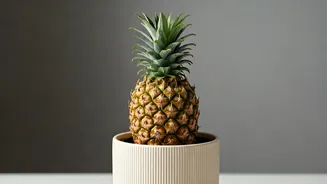
So, what exactly is an ornamental pineapple? A member of the Bromeliad family, this plant is a close relative of the edible pineapple we all know and love. Often called dwarf pineapples, varieties like 'Champaca' are grown specifically for their looks.
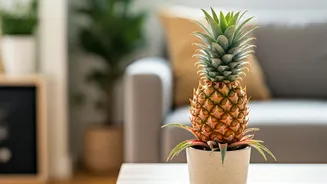
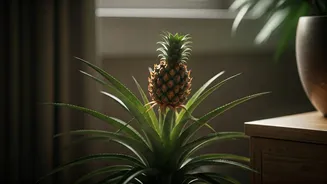
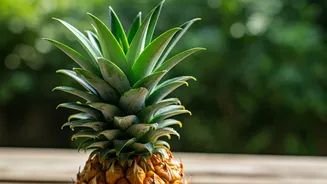
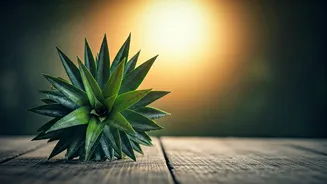
They feature the same iconic rosette of sharp, sword-like leaves but are much smaller, making them perfect for indoor pots. From the centre of the plant, a stalk emerges, eventually producing a miniature pineapple, complete with its own tiny crown. This isn't a plastic accessory; it's a real, albeit tiny, fruit that brings a dose of tropical fun to any windowsill or shelf.
Why Is Everyone Talking About Them?
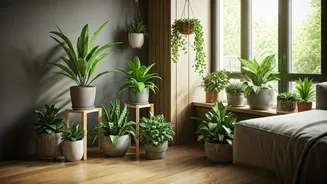
The rise of the ornamental pineapple isn't surprising. It ticks all the boxes for a modern, sought-after houseplant. Its structure is architectural and visually striking, offering a unique silhouette that stands out among more common houseplants. In an era where unique and 'Instagrammable' plants are highly coveted, the sight of a miniature pineapple growing in your living room is a guaranteed conversation starter. It adds an exotic, playful vibe to interior decor and satisfies the desire for something beyond the usual fiddle-leaf fig or monstera. They are a living piece of art that signals a fun, adventurous taste in home styling.
Your Essential Care Guide: Light and Water
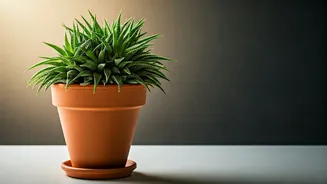
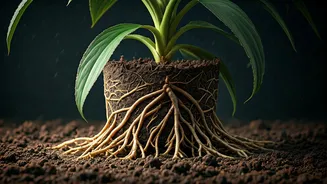
Despite its exotic appearance, the ornamental pineapple is surprisingly manageable. The key is lots of light. These plants are sun-lovers and need at least six hours of bright, indirect sunlight daily to thrive and produce their signature fruit. A spot near a south-facing window is ideal. When it comes to watering, think like a tropical plant: they are drought-tolerant and hate sitting in soggy soil, which can cause root rot. Water thoroughly, but only when the top few inches of soil have dried out. A unique feature of Bromeliads is the central 'cup' or 'tank' formed by the leaves. You can keep a small amount of water in this cup, which the plant will also absorb.
Your Essential Care Guide: Soil and Feeding
The right soil is crucial for preventing waterlogging. A well-draining, slightly acidic potting mix is best. Many gardeners find success with a mix designed for cacti or a blend of standard potting soil with perlite and peat moss or orchid bark to improve drainage. Because they are typically grown in pots, they benefit from regular feeding during the growing season (spring and summer). A balanced liquid fertiliser, diluted and applied every two to four weeks, will provide the energy needed to support its foliage and fruit development.
The Big Question: Can You Eat It?
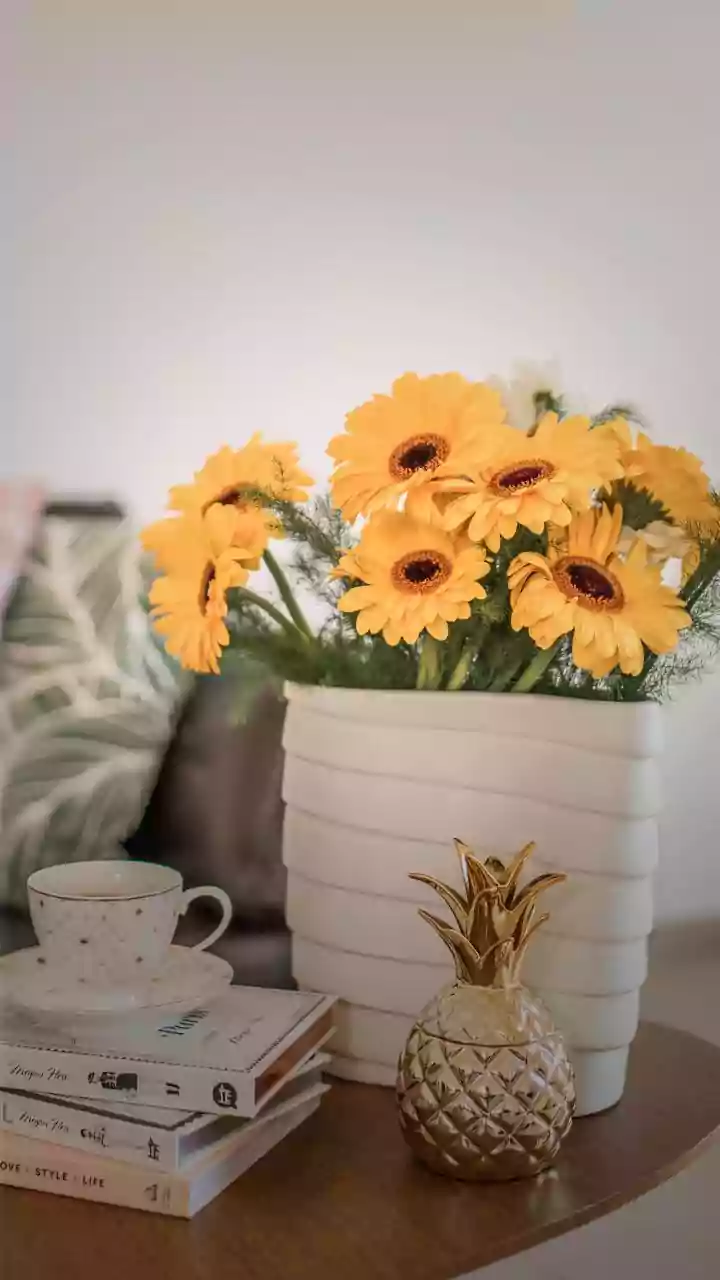
This is the question on everyone's mind. Technically, the fruit is a real pineapple, but it's not grown for consumption. Most sources describe the fruit as extremely sour, bitter, or acidic. While some adventurous souls have tasted it, many ornamental varieties are simply not palatable. Furthermore, since they are sold as decorative plants, they may have been treated with pesticides not safe for consumption. The consensus is clear: it's best to admire this pineapple with your eyes, not your taste buds. Use it as a quirky decoration in a floral arrangement or a drink stirrer instead.
Life After Fruiting: Pups and Propagation
An ornamental pineapple plant is monocarpic, meaning the mother plant will flower and fruit only once. After the fruit matures and is removed (or falls off), the parent plant will slowly begin to die back over several months. But this isn't the end! As it fades, the plant will produce offshoots at its base called 'pups'. Once these pups develop their own small root systems and a central cup, they can be carefully separated and repotted. Let the base of the pup dry for a day or two before planting to prevent rot. With a little care, each pup will grow into a brand new pineapple plant, giving you a continuous supply of these tropical beauties.