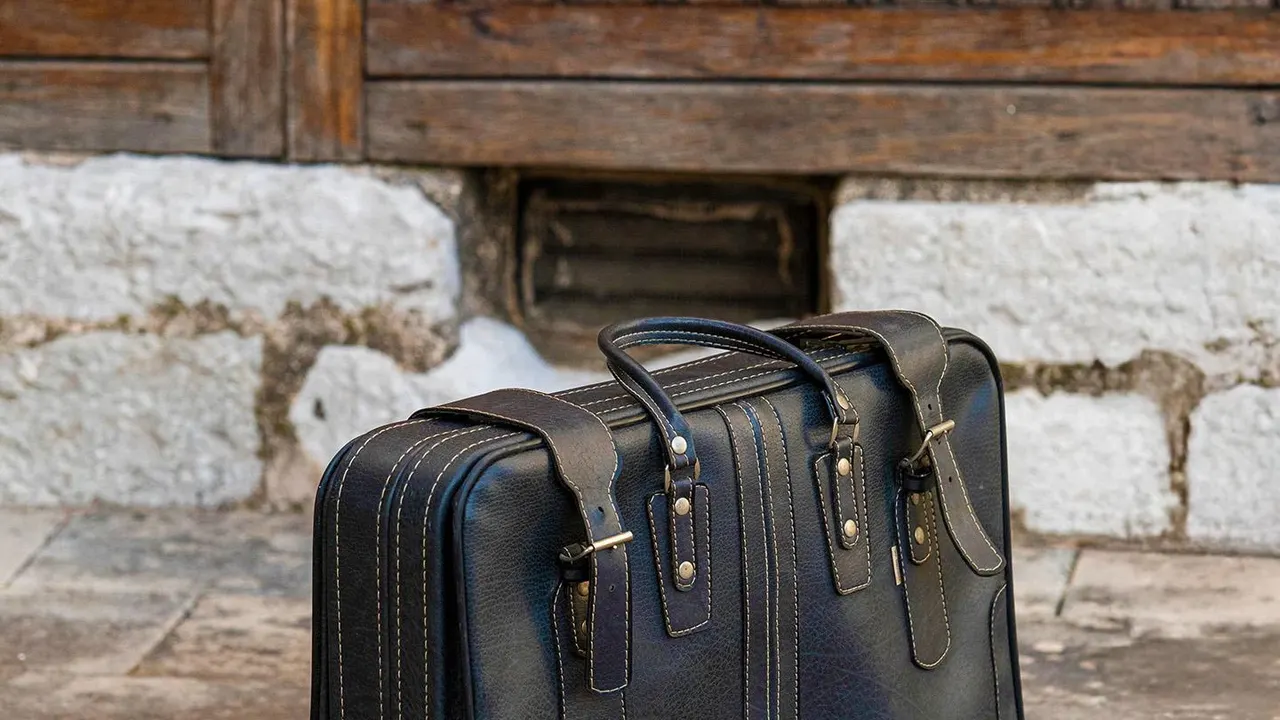







Choose Your Main Defence: The Right Bag
Your first line of defence is the bag itself. While many backpacks and duffels are marketed as "water-resistant," this often just means they can handle a light drizzle. For the intense, sudden downpours common during the Indian monsoon, you need a more
robust solution. A truly waterproof backpack, often made with coated materials and sealed seams, is an excellent investment for frequent travellers. However, a more versatile and budget-friendly option is to use a high-quality rain cover for your existing backpack. Look for one that fits your bag snugly, as loose covers can fly off in high winds on the highway. A bag with a reinforced, water-resistant bottom panel is also a major plus, as it protects your gear when the bag is placed on wet surfaces.
The Layering System: Waterproofing from the Inside Out
Even the best outer defences can fail. The most effective strategy is to create multiple layers of protection. Think of it as waterproofing from the inside out. The simplest method is to line your entire backpack with a large, heavy-duty plastic garbage bag before you start packing. This creates a waterproof barrier within the bag itself. For a more organised approach, use individual dry bags. These are lightweight, waterproof sacks with a roll-top closure that creates a genuine seal against water. You can use different sizes to compartmentalise your gear: one for clothes, one for food, and a separate, smaller one for crucial documents like your wallet and ID.
Protecting Electronics: Your Most Vulnerable Gear
Electronics are the most expensive and vulnerable items in your luggage. A moment of water exposure can lead to costly damage. Never assume your bag's laptop sleeve is waterproof. Instead, place your laptop in its own waterproof sleeve before putting it in the bag, creating double-layered protection. For smaller items like phones, chargers, and power banks, dedicated waterproof pouches or even high-quality zip-lock bags are essential. Always pack each electronic device in its own individual pouch; if one fails, the damage is contained. To combat the high humidity of the monsoon season, which can cause condensation even inside a sealed bag, toss a few silica gel packets into your main luggage and electronics pouches to absorb ambient moisture.
Clothing and Essentials: Staying Dry and Organised
Wet clothes are not just uncomfortable; they can quickly develop a musty smell that lingers for the rest of your trip. Instead of standard packing cubes, use waterproof compression bags. These not only save space but also ensure your clothes stay perfectly dry. It’s wise to pack fabrics that dry quickly, like synthetics, and avoid cotton, which can take a long time to dry in humid conditions. Always pack a separate plastic or waterproof bag specifically for wet or dirty clothes to keep them from contaminating your dry items. Keeping a quick-dry microfiber towel is also a great idea, as it's highly absorbent and takes up very little space.
Quick-Access Emergency Gear
A sudden downpour requires a fast response. Some items should be kept easily accessible, not buried at the bottom of your main bag. A lightweight, foldable poncho is more effective than an umbrella, as it can cover both you and your backpack. Keep this, along with a small umbrella for quick dashes and a waterproof pouch for your phone, in an outer pocket or a small daypack. This ensures you can protect yourself and your most immediate essentials the moment the rain starts, without having to stop and unpack your entire luggage on the side of the highway.