


Not Just A Sofa, Not Quite A Bed
First, let's be clear: a daybed is not a clumsy sofa-bed or a temporary futon. It’s a far more elegant and intentional piece of furniture. Tracing its history back to ancient Egypt and Rome, the daybed has always been a hybrid—a place for reclining, lounging,
and sleeping. Today's versions, however, have been reimagined for modern life. They typically use a standard twin mattress, framed by a back and two arms, making them a comfortable sofa by day and a proper bed by night. Unlike a sofa-bed, which often involves cumbersome mechanisms and a compromised mattress, a daybed offers genuine, dual-purpose comfort without sacrificing style. It’s an honest statement that a home should accommodate rest and relaxation, not just formal seating.
The Urban Squeeze in Indian Cities
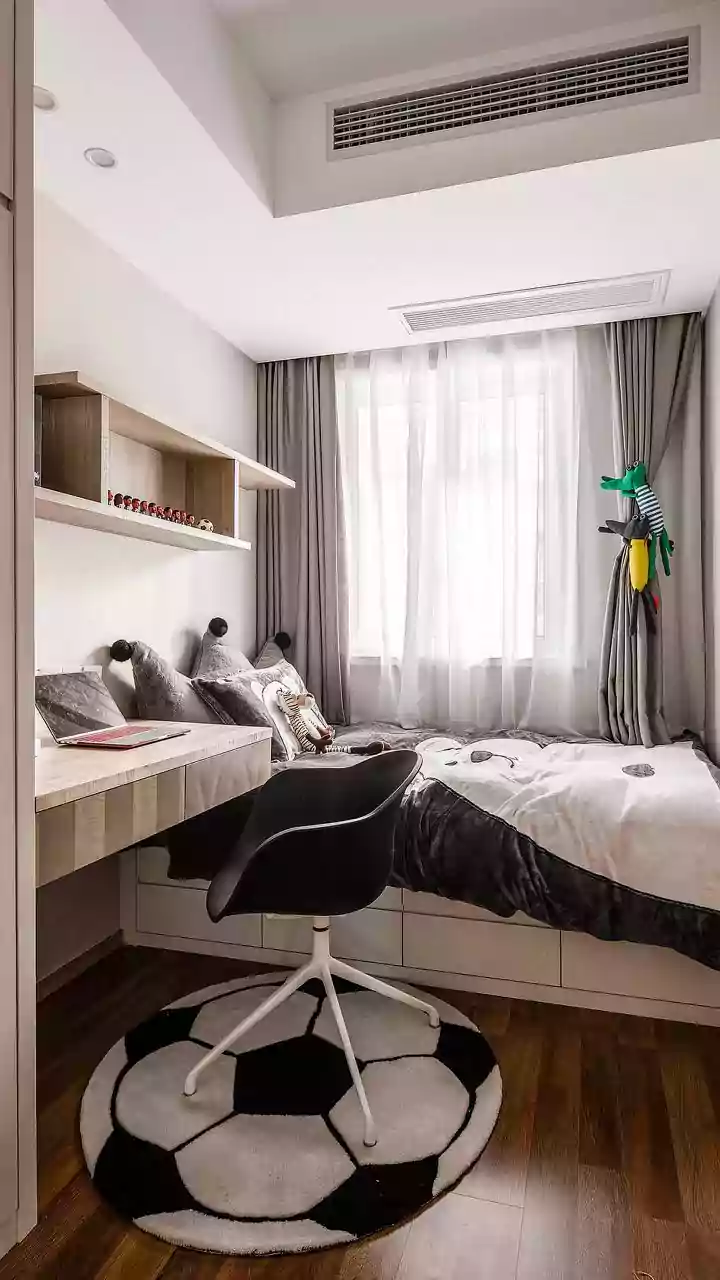
The primary driver behind the daybed’s resurgence is the simple reality of modern urban living: shrinking spaces. In Indian metro cities like Mumbai, Bengaluru, and Delhi, apartment sizes are getting smaller while real estate costs continue to rise. This urban squeeze forces homeowners to demand more from every square foot. Furniture can no longer be a single-use object; it must earn its place. A traditional three-seater sofa and a separate guest bed are luxuries many compact 1BHK or studio apartments cannot afford. The daybed elegantly solves this problem, providing seating, lounging, and guest accommodation in one compact footprint. This makes it, alongside sofa-cum-beds and hydraulic storage beds, a key part of the 'survival kit' for modern Indian living.
A Modern Nod to the Traditional Diwan
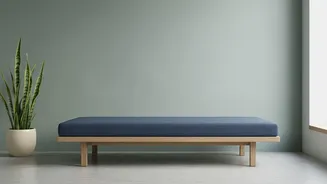
For many in India, the daybed feels both new and familiar. That’s because it’s a modern cousin of the traditional 'diwan'. For generations, the diwan has been a versatile staple in Indian homes, serving as a low seating platform, a napping spot, and an informal gathering area. The 2026 daybed trend taps into this cultural lineage. Designers are creating modern diwans with clean lines, minimalist frames made of wood or metal, and chic upholstery in neutral tones, aligning with popular Japandi and Scandinavian aesthetics. These pieces offer the multi-functionality of the classic diwan but with a contemporary look that fits seamlessly into urban apartments. Many modern versions also incorporate storage, with built-in drawers or hydraulic lifts, further enhancing their utility for small homes.
The Lasting Impact of The WFH Revolution
The widespread shift to remote and hybrid work has permanently altered our relationship with our homes. Living rooms became offices, and bedrooms became workspaces. This blurring of boundaries created an urgent need for furniture that could adapt to different activities throughout the day. The daybed fits perfectly into this new reality. It can be a formal seat for video calls, a comfortable spot for a mid-day break, an afternoon reading nook, or a place for a power nap. Its versatility supports the flexible lifestyle that remote work has enabled, making it a more practical choice than a static sofa in a home that must now function as an office, a gym, and a sanctuary all at once.
Style No Longer Sacrifices Function
Perhaps the most significant thing the daybed's return shows is that consumers are no longer willing to choose between aesthetics and practicality. For a long time, 'space-saving' often meant 'compromise'. But the new wave of multifunctional furniture proves that you can have both. The modern daybed is a sculptural, stylish object in its own right. Designers are using high-quality materials, from solid Sheesham wood to sleek metal frames and plush velvet upholstery, to create pieces that are visually stunning. This trend is a response to a more discerning consumer who wants their home to be efficient, comfortable, and beautiful. The daybed isn’t just a clever solution for small spaces; it's a declaration that good design should make life easier and more enjoyable.